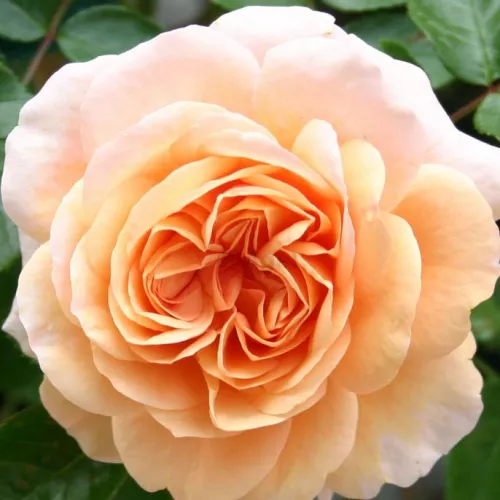
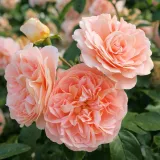
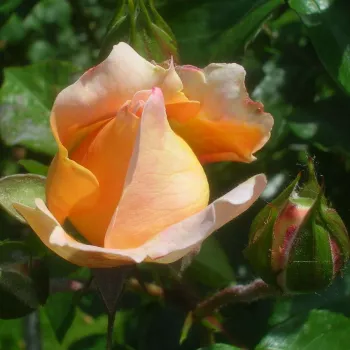
SANGERHÄUSER JUBILÄUMSROSE ® – peach-pink bedding floribunda rose
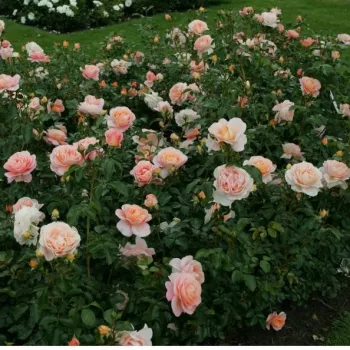
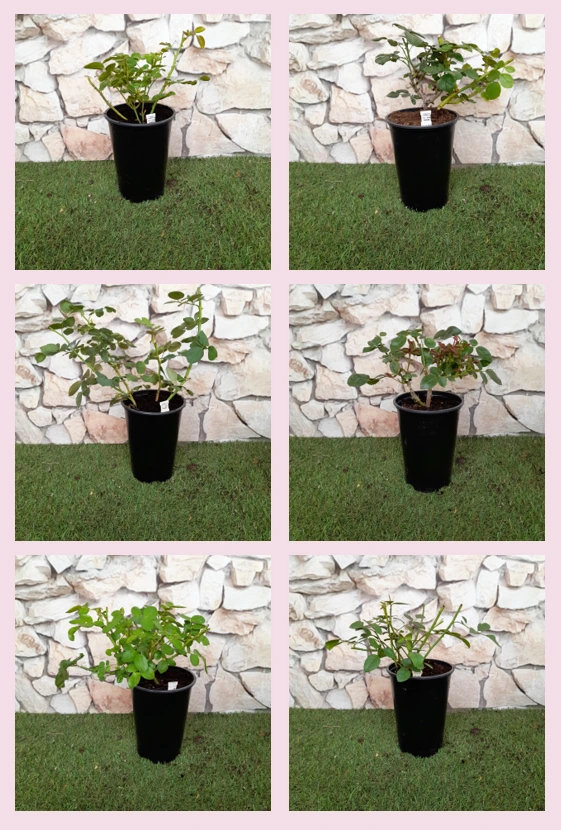
Along a breezy Cornish veranda or beside a Devon shingle path, SANGERHÄUSER JUBILÄUMSROSE ® settles in as a quietly reliable presence: compact, bushy and easy to live with, yet generous in colour. Its pastel peach-pink clusters sit above glossy, dark green foliage, bringing a touch of storybook charm to small front gardens, coastal courtyards and family borders. Favoured by international judges, this Gold Standard floribunda repeats in soft waves from early summer into autumn, keeping the garden cheerful when you most want to sit outside with a cup of tea. Own-root planting supports a long, steady life, with strong anchoring and roots that handle brisk seaside weather and challenging soils. In year one it concentrates on roots, year two on leafy, flowering shoots, and by year three it shows full ornamental value with very little extra work. Choose a roomy pot, around 40–50 litres, or a sunny bed with decent drainage, and enjoy a rose that was bred to be dependable, discreetly romantic, consistently floriferous, pleasantly fragrant, nicely compact, reassuringly robust, comfortably low‑care and enduringly long‑lived.
Usage options
| Target area |
Reasoning |
| Small coastal front garden bed |
The compact, bushy habit stays within 60–85 cm, ideal for narrow beds by drives or cottage-style front gardens near the sea, where neat structure matters but there is not much space to spare, especially for beginners. |
| Coastal veranda container (40–50 L) |
In a 40–50 litre pot this floribunda forms a dense, upright shrub with glossy foliage and pastel clusters, giving a stable, long-term feature that copes with breezy, salt-tinged afternoons on exposed verandas for busy homeowners. |
| Low-maintenance family rose border |
Repeat flowering with moderate self-cleaning and low maintenance needs means less deadheading pressure; regular flushes keep borders lively through school holidays without complicated care routines, suiting time-poor urbanites. |
| Long-lived own-root planting scheme |
As an own-root rose it ages evenly, regenerates well after pruning and avoids the decline and suckering issues of grafted plants, giving stable ornamental value for many seasons to relaxed gardeners. |
| Coastal wind- and weather-exposed strip |
Firm root anchoring and a sturdy, upright framework help it stand up to regular wind and driving rain common in coastal gardens, maintaining shape and flower quality for seaside-loving families. |
| Season-long colour in mixed planting |
Clustered, medium-sized blooms come in generous flushes from early summer onwards, so even a small group offers a near-continuous wash of peach-pink colour that pairs well with perennials, delighting casual garden-owners. |
| Fragrant seating-area accent |
The sweet, medium-strength scent is noticeable at close quarters without being overpowering, perfect beside benches, patios or tea corners where you linger, appealing to scent-aware visitors. |
| Clay-improved, free-draining coastal bed |
Given improved drainage, its resilient foliage and reliable growth handle typical British coastal conditions, managing blustery showers and changeable summers while remaining attractive for practical-minded starters. |
Styling ideas
- Seaside hedge line – Plant a loose single row along a shingle path at 35–40 cm spacing for a low, peach-pink hedge that softens fences and screens wind for coastal veranda owners.
- Pastel patio trio – Group three plants in individual 40–50 litre tubs with grey-blue gravel mulch to echo sea tones, ideal for beginners wanting effortless structure and repeat colour.
- Storybook cottage bed – Mix with Scabiosa ochroleuca and oxeye daisies for a soft, romantic look that flowers for months with modest maintenance, perfect for family front gardens.
- Contemporary coastal block – Arrange in a square grid with Festuca grasses and pale pebbles to create a modern, low-care scheme that stays neat and compact on urban terraces.
- Scented tea corner – Position near a small seating area, underplanted with Geranium sanguineum and lavender for fragrance and gentle colour waves around evening tea drinkers.
Technical cultivar profile
| Parameter |
Data |
| Name and registration |
KORmamtiza floribunda; trade name Sangerhäuser Jubiläumsrose ® MärchenRosen®, also exhibited as Cervia® in some countries; commercial type bedding floribunda rose for garden and landscape use. |
| Origin and breeding |
Bred by W. Kordes’ Söhne, Germany, from ('Roseromantic' × 'Heckenfeuer') × 'Bernstein'; bred 1993, registered 2002, introduced 2003, reflecting modern breeding for garden performance and health. |
| Awards and recognition |
Bronze medal BUGA Rostock 2003, Silver medal Kortrijk 2004, Gold Standard award United Kingdom 2010, and Rose des Jahres at Europa‑Rosarium Sangerhausen in 2023 for sustained quality. |
| Growth and structural characteristics |
Bushy, upright shrub reaching about 60–85 cm in height and 50–70 cm spread, with dense, dark green, glossy foliage and moderate prickles; forms a compact, tidy outline suitable for beds and low hedging. |
| Flower morphology |
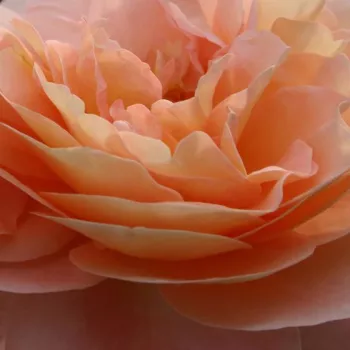
Medium-sized, double, cupped blooms with approximately 26–39 petals, borne in clustered inflorescences; performs well as a repeat bloomer, with a notably strong and abundant second flush in favourable seasons. |
| Colour data and phenology |
Pastel peach-pink with rose undertone; RHS 36D outer and 36B inner petals; buds pale peachy-cream, fading towards softer light pink and cream in strong sun, with better colour retention in cooler conditions. |
| Fragrance and aroma |
Sweet, medium-strength fragrance perceptible at close range around seating areas; primarily ornamental with moderate appeal to pollinating insects due to its double flower form, best enjoyed for human scent interest. |
| Hip characteristics |
Forms small, red, spherical hips around 6–10 mm in diameter, generally in moderate quantities; adds a discrete seasonal accent in late season without strongly affecting the plant’s overall flowering performance. |
| Resistance and winter hardiness |
Hardy to around −21 to −18 °C (RHS H7, USDA 6b, Swedish zone 3); good resistance to powdery mildew and rust with moderate black spot tolerance, benefiting from normal garden hygiene in damp regions. |
| Horticultural recommendations |
Best in full sun with reasonably drained soil; space at 35–65 cm depending on use, 5.7–6.5 plants/m² for mass planting; low maintenance with occasional deadheading and irrigation during extended dry spells. |
Sangerhäuser Jubiläumsrose ® offers compact, repeat peach-pink flowering, gentle fragrance and dependable, long-lived performance on its own roots, making it a thoughtful choice for relaxed coastal or family gardens.