ROSA PIMPINELLIFOLIA MON AMIE CLAIRE – pink landscape shrub rose - Ivan Louette
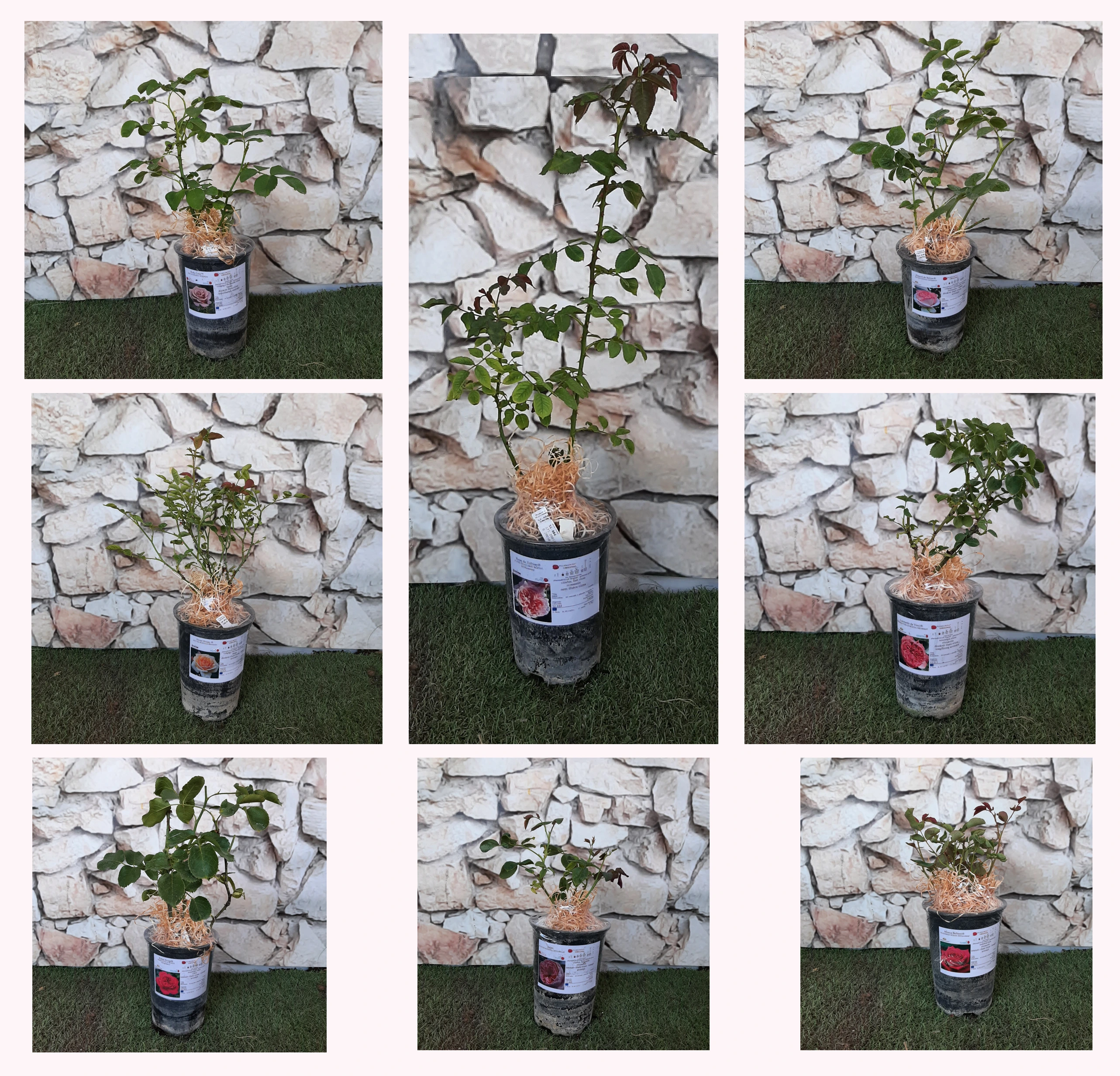
After a day of collecting seashells, you can sit with your tea behind a living windbreak of ROSA PIMPINELLIFOLIA MON AMIE CLAIRE, its delicate, semi‑double blooms bringing a sense of coastal refreshment to even the smallest veranda. This compact shrub rose is easy to shape as a low hedge or specimen in family gardens, and it copes confidently with brisk seaside air and soil that needs careful water management and good drainage. The flowers open soft pastel pink, then fade to creamy white above dense, dark foliage, creating a gentle pastel contrast that flatters shingle, gravel and pots. Strong fragrance and accessible stamens make it a favourite with bees, while decorative, bird‑feeding hips extend the season into winter. As a robust, own‑root plant in the pharmaROSA® ORIGINAL 2‑litre format, it settles in steadily – roots in the first year, fuller shoots in the second, then by the third season it reaches its stable, long‑lived ornamental peak with remarkably low maintenance for busy coastal families.
Usage options
| Target area |
Reasoning |
| Coastal veranda containers |
Compact, bushy growth and good drought tolerance make this rose well suited to large containers of 40–50 litres on exposed verandas, where its soft colouring and fragrance create an easy, seaside feel for time‑poor beginners. |
| Low, informal hedge in family gardens |
Dense, twiggy branching, dark foliage and self‑cleaning flowers allow you to form a relaxed, flowering boundary that screens play areas with minimal clipping and long‑term structure for practical homeowners. |
| Naturalistic or wildflower-style beds |
The semi‑double flowers with exposed stamens attract pollinators over a long season, then dark hips extend interest and feed birds, making it an easy backbone shrub in relaxed, nature‑friendly designs for wildlife‑minded gardeners. |
| Rock gardens and coastal shingle plantings |
Its pimpinellifolia heritage gives a tough root system and compact habit, allowing it to anchor shallow, stony soils while coping with breezy, drying conditions typical of British coasts for coastal‑style enthusiasts. |
| Specimen shrub near seating areas |
Strong fragrance and a gentle pastel shift from pink to creamy white create a calm, airy focal point close to benches or patios, offering sensory interest through much of the season for relaxation‑seeking couples. |
| Low‑maintenance front gardens |
High disease resistance and good self‑cleaning mean very little deadheading or spraying, so it keeps a neat, cared‑for look beside driveways and paths with only light pruning for busy urban residents. |
| Mixed borders with long seasonal interest |
The rose carries you from spring flowers to autumn and winter hips, maintaining structure and colour when perennials die back, and providing a reliable framework year after year for long‑term‑planning planners. |
| Clay-based coastal plots needing structure |
Well adapted to sunny, exposed sites and moderate drought, it copes where wind and heavy soil can be challenging, provided basic drainage is improved, making problem corners productive for practical coastal owners. |
Styling ideas
- Pastel Promenade – combine with sea kale and blue Festuca on shingle for a soft pink‑silver palette that echoes Cornish beaches – ideal for coastal‑style romantics.
- Veranda Breeze – plant singly in a 50‑litre tub with gravel mulch and a low chair nearby to enjoy scent and bees – for balcony and veranda owners.
- Wildlife Ribbon – run an informal hedge with interplanted native grasses and wildflowers to feed pollinators and birds – for nature‑focused families.
- Calm Courtyard – place as a scented focal shrub with lavender edging and pale stone paving for a serene, low‑work entrance – for busy professionals.
- Woodland Edge Glow – underplant with spring bulbs and pale Campanula in light shade for layered, long‑season interest – for cottage‑garden enthusiasts.
Technical cultivar profile
| Property |
Data |
| Name and registration |
ROSA PIMPINELLIFOLIA MON AMIE CLAIRE is a botanical shrub rose marketed as a landscape shrub; bred by Ivan Louette, it is sold on its own roots under this trade name. |
| Origin and breeding |
Bred in Belgium in 2005 from ‘Stanwell Perpetual’ crossed with a dwarf Rosa pimpinellifolia from the Quiberon peninsula, combining garden remontancy with hardy coastal species traits. |
| Growth and structural characteristics |
Compact, bushy shrub with dense, matte dark bluish‑green foliage and sparse prickles; forms a well‑branched, low hedge or specimen, with good self‑cleaning and strong hip set after flowering. |
| Flower morphology |
Semi‑double, cup‑shaped blooms of medium size, typically 4–5 cm across, borne in small clusters of three to five per stem; strongly remontant, giving a generous repeat flush after the main display. |
| Colour data and phenology |
Soft pastel pink at opening, RHS 65C–65D, then gradually lightening to white and creamy‑white; colour pales gently without sudden bleaching, giving an overall light, delicate effect in full bloom. |
| Fragrance and aroma |
Carries a strong, clearly perceptible rose fragrance; semi‑double flowers with exposed stamens are repeatedly produced from May into autumn and are highly attractive to bees and other pollinating insects. |
| Hip characteristics |
After petal fall, numerous small, spherical hips develop, around 10–15 mm in diameter, dark red to nearly black, decorative into winter, edible, and providing valuable food for garden birds. |
| Resistance and winter hardiness |
Very hardy shrub, tolerating approximately −29 to −23 °C (RHS H7, USDA 5a, Swedish Zone 4); shows strong resistance to powdery mildew, black spot and rust, and copes well with sun and moderate drought. |
| Horticultural recommendations |
Suited to hedging, specimen planting, rock and coastal gardens, wildflower beds and large containers; prefers sunny positions, tolerates partial shade, and needs only light pruning and occasional feeding. |
ROSA PIMPINELLIFOLIA MON AMIE CLAIRE offers compact coastal suitability, fragrant pastel flowers and long‑season hips on a durable own‑root shrub; consider it if you would like a dependable, low‑effort rose companion.