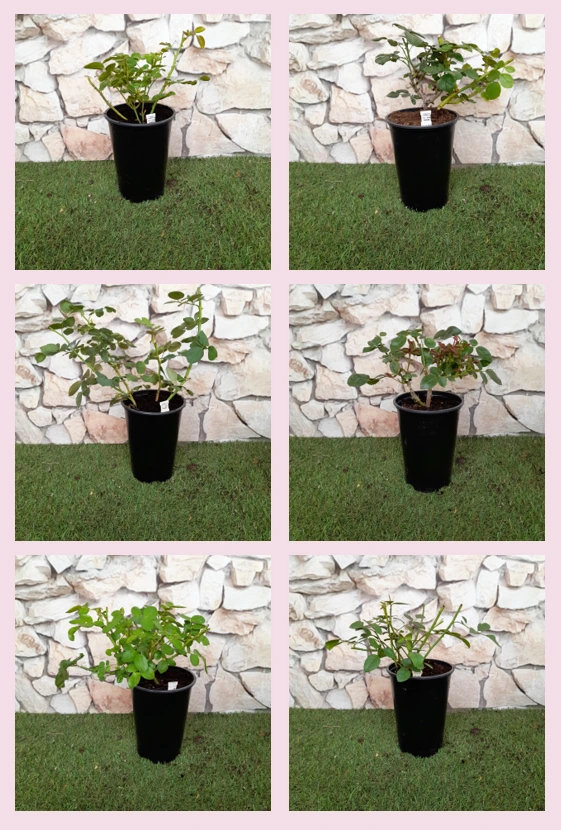
SUE HIPKIN – peach hybrid tea rose – Harkness
After a breezy walk on the shingle, Sue Hipkin settles into your coastal garden like a glowing peach-toned lantern, its high‑centred blooms bringing an air of quiet elegance. This hybrid tea rose is bred for reliable flowering in typical British conditions, coping steadily with brisk weather while rewarding you with strong, peachy fragrance around your veranda seating. In a roomy container of at least 50 litres or a well‑drained border, its upright habit keeps paths clear, leaving you space for sea kale, Festuca and lavender. The own‑root form promises reassuring longevity and recovery if stems are damaged, with roots establishing in the first year, top growth building in the second and full ornamental impact arriving by the third, for an easy, low‑fuss coastal retreat.
Usage options
| Target area | Reasoning |
|---|
| Coastal veranda feature container |
In a 50–60 litre pot, this upright hybrid tea forms a contained, vertical accent that stands up to breezy, exposed seating areas while keeping its peach blooms at eye level for relaxed evening tea drinkers and scent lovers, especially suitable for beginners. |
| Small front garden statement rose |
Its neat, medium height and solitary, exhibition‑style flowers create a refined focal point without overwhelming a modest frontage, ideal beside a doorway or bay window where a single, tidy shrub adds polish for time‑pressed homeowners. |
| Sunny border in a family back garden |
Planted 70 cm from companions, it slots easily into mixed borders, providing repeat flushes of pastel peach flowers through the season so the bed never feels bare, suiting informal schemes for relaxed family‑garden gardeners. |
| Airy “girly” shingle planting |
Among light gravel, sea‑themed ornaments and silver foliage, the pastel blooms read as soft cosmetic tones, bringing a feminine, seaside‑holiday feel without needing complex pruning, appealing to coastal‑style focused enthusiasts. |
| Sheltered seating windbreak accent |
Used as a tall accent in front of a fence or glass balustrade, its sturdy, upright stems give gentle screening and calm the breeze just enough for outdoor tea, particularly appreciated by those creating intimate coastal retreats. |
| Cut‑flower row for home vases |
The high‑centred, long‑stemmed blooms are ideal for cutting, offering strong, peachy, floral fragrance indoors so you can enjoy a touch of classic exhibition style from a short, manageable row, rewarding casual home‑arranging hobbyists. |
| Long‑term specimen in own‑root form |
Because it is grown on its own roots, the plant rebuilds from the base if winter, wind or pruning go wrong, giving stable shape and ornamental value over many years, reassuring long‑view, low‑maintenance‑minded buyers. |
| Well‑drained clay border with companions |
In typical heavy UK soils improved for drainage, this rose anchors firmly and repeats flower beside sea kale, Festuca and lavender, balancing structure with softness in breezy gardens near the sea for coastal‑region family‑garden owners. |
Styling ideas
- Veranda Lantern – Place one large pot by a west‑facing seating corner, underplanted with trailing Campanula to echo sea‑spray blue – suited to balcony and veranda dwellers.
- Peach Shingle – Set in light gravel with sea kale and low Festuca, letting pastel blooms rise from a beach‑like surface – ideal for coastal‑style enthusiasts.
- Doorway Welcome – Flank a front door with two matching containers for a poised, fragrant entrance – perfect for busy homeowners wanting quick kerb appeal.
- Soft Border – Mix with lavender and creeping phlox in a sunny strip for a scented, low, pastel edging – good for family gardens needing gentle structure.
- Cutting Corner – Dedicate a short row along a path for easy picking of exhibition‑type stems – attractive for hobby florists who like home‑grown bouquets.
Technical cultivar profile
| Attribute | Data |
|---|
| Name and registration |
Hybrid tea rose, registered as HARzazz and marketed as Sue Hipkin Hybrid tea rose HARzazz; exhibition hybrid tea for garden and cutting; female given name as cultivar meaning. |
| Origin and breeding |
Bred by R. Harkness & Co. Ltd in the United Kingdom (1995), registered in 1998 and introduced after 1998 by Harkness Roses as a garden and exhibition hybrid tea cultivar. |
| Growth and structural characteristics |
Upright hybrid tea, around 85–115 cm high and 55–75 cm wide, with moderately dense, glossy dark green foliage and moderate thorniness; suited to specimen or border planting. |
| Flower morphology |
Large, very double, high‑centred hybrid tea blooms with 40+ petals, borne mostly singly on stems; remontant habit with a reliable second flush and typical long‑stemmed cut‑rose form. |
| Colour data and phenology |
Pastel apricot‑yellow and soft pink tones, deep peach buds opening to creamy‑peach blooms as pink recedes; good colour retention with a silky, light peach effect at full bloom before gentle fading. |
| Fragrance and aroma |
Strong, long‑lasting scent with peachy, floral notes; fully double form conceals stamens and provides high ornamental value but limited appeal to pollinating insects in mixed wildlife plantings. |
| Hip characteristics |
Produces a moderate crop of small, egg‑shaped orange‑red hips, around 10–14 mm in diameter, adding a discreet late‑season accent without dominating the plant’s overall appearance. |
| Resistance and winter hardiness |
Hardy to approximately −21 to −18 °C (RHS H7, Swedish zone 3, USDA 6b) with moderate resistance to powdery mildew, black spot and rust; prefers regular watering and does less well in drought. |
| Horticultural recommendations |
Best in a sunny position with improved drainage; plant 40–70 cm apart depending on use, at 4.7–5.5 plants/m² for massing, and allow space for air circulation and straightforward routine care. |
Sue Hipkin offers upright form, repeat peach‑toned blooms and strong fragrance in a long‑lived, own‑root hybrid tea rose, making it a refined yet practical choice for your garden or veranda planting; consider it if you value reliable, graceful structure.