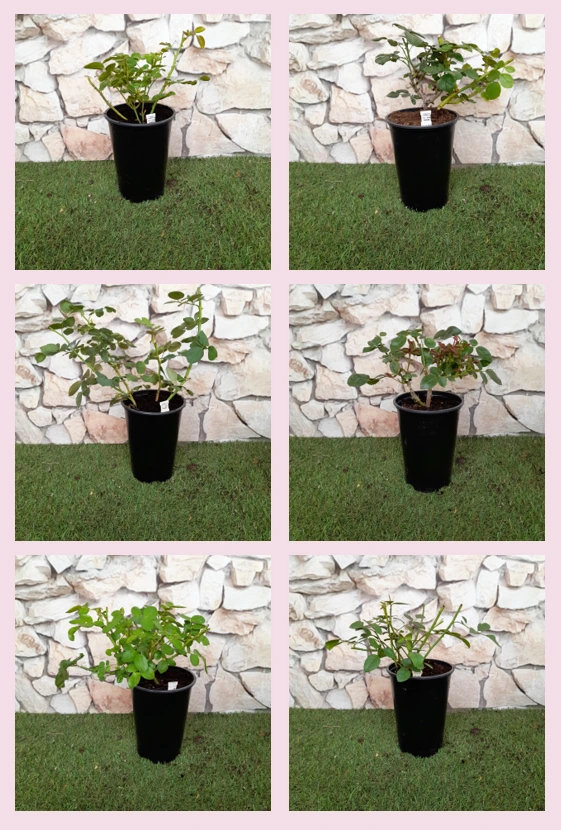
ROSA PIMPINELLIFOLIA SINGLE CHERRY – dark red landscape shrub rose
Imagine returning from the Cornish shore, sand‑dusted and sun‑warmed, to a veranda framed by cherry‑red wild‑style blooms: ROSA PIMPINELLIFOLIA SINGLE CHERRY brings a sense of coastal refreshment to even a modest family garden. This tough botanical shrub rose accepts wind, light salt spray and lean soils with reassuring resilience, so you can enjoy naturalistic structure rather than constant chores. Once its flowers fall cleanly, glossy black hips carry the season into autumn, supporting wildlife and extending the garden’s interest. Medium, spicy wild‑rose fragrance and bee‑magnet single flowers add living movement to shingle beds and raised planters. In a 40–50 litre container or open ground it establishes steadily, with roots first, then framework, then full display unfolding over three years for lasting stability. Own‑root plants quietly rebuild after storms or pruning, giving dependable longevity and ornamental continuity without graft‑related setbacks. Choose it where you value easy‑care character and year‑round texture over fleeting, high‑maintenance blooms.
Usage options
| Target area |
Reasoning |
| Coastal shingle or salt‑tolerant front garden |
This botanical shrub rose copes well with exposed, sunny sites and drier, poorer soils, so it settles naturally into coastal shingle or gravel schemes with minimal intervention and reliable structure for busy coastal-style lovers and beginners. |
| Low‑maintenance family hedge or boundary |
Bushy growth, dense foliage and plentiful thorns create an effective, informal hedge that needs only light annual trimming, giving a durable living boundary that screens play areas while staying manageable for hobby gardeners and homeowners. |
| Wildlife‑friendly corner with year‑round interest |
Single, nectar‑rich flowers draw bees in early summer, followed by small black hips that feed birds and catch the eye into winter, creating a quietly lively, low-effort wildlife zone for nature-minded families and beginners. |
| Statement specimen in a small to medium garden |
Planted as a single shrub with generous spacing, it forms a rounded, textural feature that anchors mixed planting, offering seasonal blossom, hips and foliage colour without fussy pruning for design-conscious but time-poor homeowners. |
| Large container on a coastal veranda or terrace |
In a 40–50 litre pot with good drainage, its tough root system and drought tolerance lend themselves to raised, windy spots, giving a durable, portable focal point after days spent collecting seashells for coastal veranda owners and busy. |
| Mixed perennial border or naturalistic park-style bed |
Its informal shrub form, once‑flowering summer display and self-cleaning blooms integrate seamlessly with perennials and grasses, adding structure and height without crowding, ideal for relaxed planters and weekend gardeners. |
| Water-wise planting in free‑draining or poorer soils |
Tolerant of dry, nutrient-poor conditions and full sun, it suits modern, water-wise schemes where plants must thrive with modest irrigation and remain healthy over decades, supporting sustainable choices for environmentally aware homeowners. |
| Pollinator-friendly rose feature for family gardens |
Simple, cherry-red flowers with open, golden stamens provide easily accessible nectar and pollen, endorsed on pollinator plant lists, so one shrub meaningfully supports bees and hoverflies in compact plots for wildlife-loving families and beginners. |
Styling ideas
- Wild-Coastal Hedge – run a loose, single-species hedge along a windy boundary, underplant with sea kale and blue Festuca for a beachy palette – for families wanting a soft, sheltering edge with little trimming.
- Shingle Drift – group three shrubs in a gravel bed with sea thrift and low Lavandula, echoing Cornish coves with tough, sun-loving textures – for coastal-style lovers with small front gardens.
- Veranda Anchor – plant one shrub in a 50 litre clay pot, pairing with silver Artemisia and trailing thyme for scent and movement – for busy urban owners seeking a single, reliable feature.
- Wildlife Nook – tuck the rose into a corner with Hypericum and ornamental grasses, allowing hips to remain for birds through winter – for families keen to support nature without complex management.
- Park-Style Island – create an island bed with this rose at the centre, surrounded by Scabiosa and Crocosmia for layered summer colour – for beginners wanting a strong focal point with minimal fuss.
Technical cultivar profile
| Parameter |
Data |
| Name and registration |
Commercially offered as ROSA PIMPINELLIFOLIA SINGLE CHERRY, a botanical shrub rose and landscape type; long-cultivated historic variety, unregistered, also referenced as Neptune in exhibition contexts. |
| Origin and breeding |
Traditional pimpinellifolia shrub with unknown breeder and parentage; in cultivation since about 1820, distributed widely in parks and gardens, valued for toughness rather than modern pedigree data. |
| Growth and structural characteristics |
Bushy, densely thorned shrub with compact, anchoring root system; dense, mid- to grey-green matte foliage gives a natural, coastal look and provides good ground coverage once established. |
| Flower morphology |
Large, single, cup-shaped blooms carried in clusters, with around 5–12 petals; self-cleaning flowers drop neatly, leaving a halo of showy stamens before decorative hips develop. |
| Colour data and phenology |
Deep crimson-pink to cherry-red flowers with a bright yellow stamen ring; colour may soften towards mauve-pink as blooms age; once-flowering, delivering a concentrated early-summer display. |
| Fragrance and aroma |
Medium-strength, noticeable scent combining classic wild-rose notes with a spicy nuance; fragrance is most evident in calm, warm weather and contributes to a naturalistic, countryside garden atmosphere. |
| Hip characteristics |
Abundant small, spherical black hips around 10–15 mm across; high wildlife value as bird food and strong ornamental impact, especially when left on the plant through autumn and early winter. |
| Resistance and winter hardiness |
Very hardy shrub, tolerating approximately −37 to −32 °C (RHS H7, USDA 3a); generally healthy, with good resistance reported to powdery mildew, black spot and rust when grown in suitable conditions. |
| Horticultural recommendations |
Suited to specimen, groups, hedging, groundcover and habitat planting, also large containers; prefers sun or light shade with free-draining soil; low maintenance, requiring mainly formative and renewal pruning. |
ROSA PIMPINELLIFOLIA SINGLE CHERRY offers resilient coastal character, wildlife-friendly flowers and hips, and long-lived own-root reliability; consider it if you value quietly durable structure over high-maintenance displays.