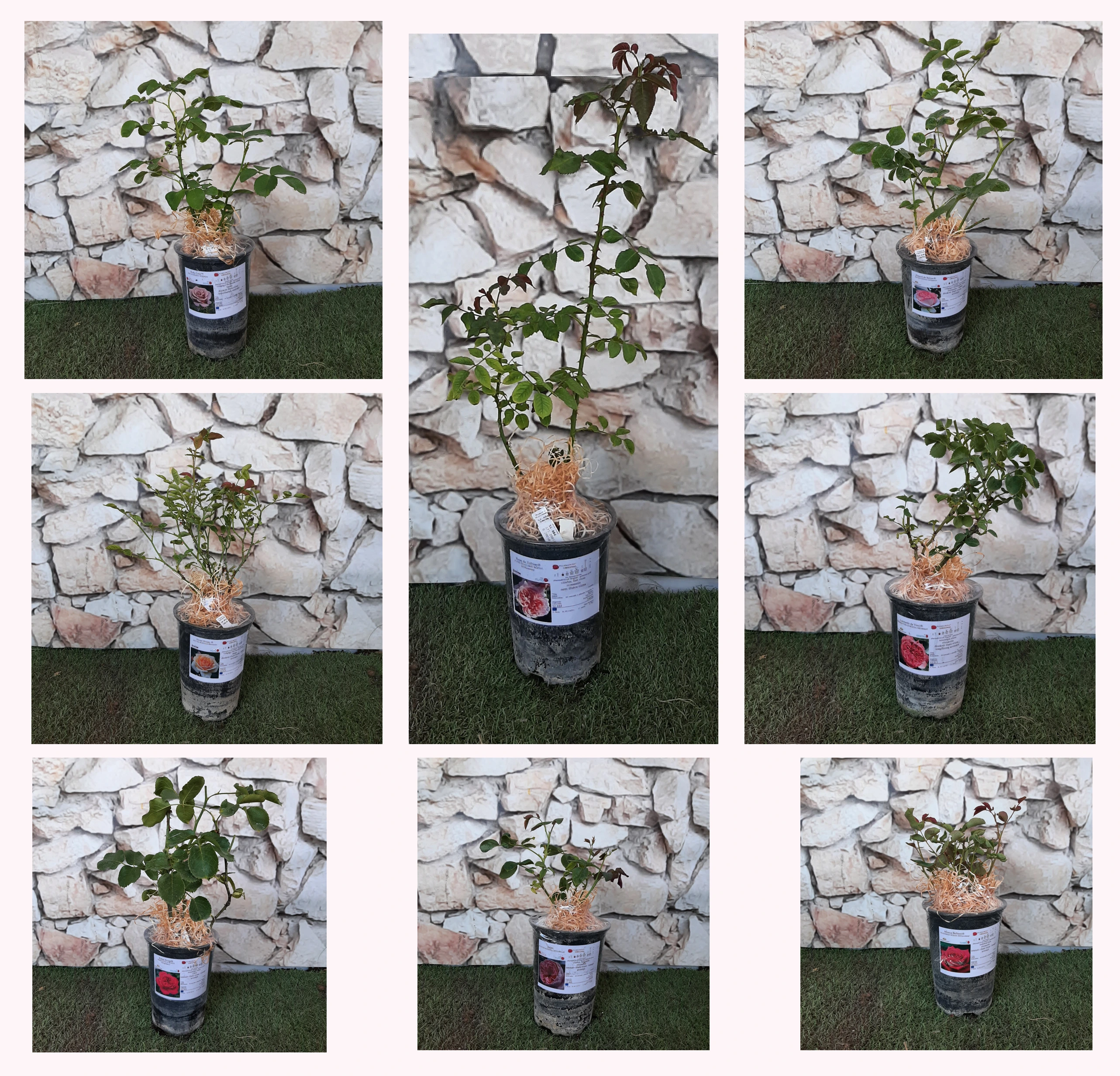
SAKURAGASUMI – light pink bedding floribunda rose - Suzuki
Like a Cornish afternoon by the sea, SAKURAGASUMI brings a soft cloud of blossom to compact gardens and verandas, wrapping patios in a calm, pastel atmosphere. Its bushy, naturally rounded structure gives reliable shelter on breezier days while coping well with exposed, seaside winds and salt-laden air. Clustered, double blooms create a gentle screen of light pink, echoing cherry-blossom haze above glossy foliage. As an own-root rose it offers reassuring long-term stability, quietly regenerating from the base if stems are damaged and keeping its shape attractive over many seasons. In a large 40–50 litre container or a neat bed, planting is straightforward and care stays pleasantly manageable. Over time you can expect a natural rhythm: roots settling in the first year, stronger shoots and structure in the second, and full garden presence with generous flower coverage by around the third summer.
Usage options
| Target area |
Reasoning |
| Coastal veranda containers |
Ideal for a sheltered Cornish or Devon veranda where space is tight but you still want a “seashell tea” corner. A single plant in a 40–50 litre pot forms a rounded, wind-tolerant shrub with enough blossom to soften railings and screen seating for beginners. |
| Small front gardens |
The bushy habit and dark, glossy foliage give neat structure without complex pruning, so a single shrub beside the path reads as a tidy feature all year. Own-root growth means it recovers well after occasional hard trimming, suiting time-poor homeowners. |
| Bedding and edging strips |
Clustered, double flowers create a soft pink ribbon along shingle-style beds or lawn edges, working well at the 90 cm spacing recommended for mass planting. The repeat flush keeps borders readable from spring to autumn for casual garden visitors. |
| Informal coastal-style mixed border |
SAKURAGASUMI blends easily with seaside tones such as sea kale, blue Festuca and lavender, its pastel pink echoing cherry blossom against silvery foliage. A moderately sized, rounded shrub anchors looser planting while still feeling light for coastal-style enthusiasts. |
| Family seating and play areas |
The rounded outline and moderate height help define a calm corner without casting deep shade over play spaces. Own-root durability gives peace of mind if stems are knocked or winter-winds nip tips, as the plant renews reliably for relaxed family gardens. |
| Clay or heavy soil sites |
Performs well in ordinary garden soils once drainage is improved, making it a sensible choice where heavier clays limit fussier shrubs. A stable root system helps anchor the plant through wet winters and breezier conditions on exposed plots for coastal-style newcomers. |
| Low-maintenance rose bed |
Medium maintenance needs suit gardeners who can manage simple seasonal checks rather than weekly attention. Spent clusters are easy to deadhead in a single sweep, and own-root growth means a missed prune rarely causes lasting problems for busy urban owners. |
| Long-term feature planting |
As an own-root shrub, SAKURAGASUMI avoids graft failures and maintains a consistent shape for many seasons, building year-on-year into a dependable, blossom-rich presence. This makes it a reassuring long-horizon choice for patient rose collectors. |
Styling ideas
- Veranda Nook – Place one plant in a 50 litre tub with pale shingle mulch and a bistro set, creating a salty-breeze tea corner for coastal veranda owners.
- Cherry-Drift Border – Repeat three shrubs at 80–90 cm along a path, underplant with Festuca and sea kale to suggest drifting blossom for family front gardens.
- Blush-and-White Bed – Combine with white Lychnis and Physostegia for a powdery pink-and-cream palette ideal for “girly” cottage-style spaces.
- Pastel Patio Trio – Group three containers around a seating area with lavender and soft grasses, letting the rounded shapes form a gentle windbreak for beginners.
- Shingle Courtyard – Plant in a gravel or shingle bed with Crocosmia ‘Lucifer’ for contrast, using SAKURAGASUMI as the calm, pastel anchor for design-conscious homeowners.
Technical cultivar profile
| Parameter |
Data |
| Name and registration |
Floribunda bed rose registered as Sakura-Gasumi, marketed as SAKURAGASUMI bedding rose; shrub-type floribunda used for bedding and low hedging, with confirmed cultivar authenticity for garden use. |
| Origin and breeding |
Bred by Seizo Suzuki at Keisei Rose Nursery, Japan, from ‘Fabergé’ × polyantha-origin seedling; bred 1988, registered 1988, introduced 1990 through Keisei Rose Nurseries Inc. for ornamental bedding. |
| Growth and structural characteristics |
Bushy, densely foliated shrub reaching about 80–160 cm high and 90–180 cm spread, moderately thorny shoots; forms a rounded, structural presence with dark green, glossy leaves suitable for beds or containers. |
| Flower morphology |
Large, double, cup-shaped cluster-flowered blooms with 26–39 petals on branching trusses; remontant habit provides a generous second flush, though most spent blooms require manual removal for best display. |
| Colour data and phenology |
Light pink overall with ARS lp, RHS 65C outer and 65D inner; colours shift from porcelain blush with raspberry edges to peach-powder and cream-white eye, giving a soft, two-tone effect as flowers mature and fade. |
| Fragrance and aroma |
Very faint, sweet rose fragrance, generally barely noticeable at normal garden distance; grown mainly for its visual effect and blossom cloud impression rather than for strong scent or aromatic harvesting uses. |
| Hip characteristics |
Produces few hips due to double flowers; where formed, they are spherical, bright red, about 5–9 mm diameter, adding discreet autumn interest rather than heavy fruiting suitable for wildlife or decorative harvest. |
| Resistance and winter hardiness |
Rated to around −21 to −18 °C (USDA 6b, RHS H7, Swedish zone 3); disease resistance medium to powdery mildew, black spot and rust, benefiting from basic care and regular watering in hot or prolonged dry periods. |
| Horticultural recommendations |
Best in sunny positions with improved drainage; recommended spacing 90 cm for bedding, 80 cm for hedging, up to 180 cm as specimen. Suitable for beds, edging and large containers, with medium maintenance expectations. |
SAKURAGASUMI offers a soft pastel screen in compact spaces, with a rounded, long-lived own-root shrub that repeats well in beds or large containers, making it a thoughtful choice if you want gentle structure with minimal complication.