SASAD – pink hybrid tea rose – Márk
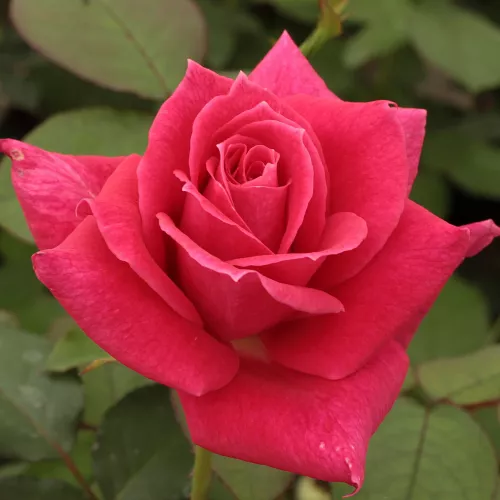
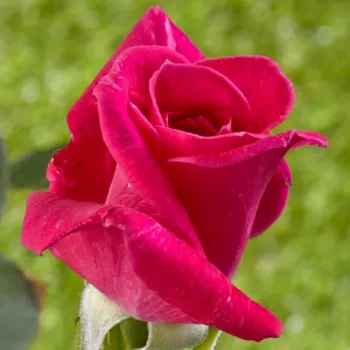
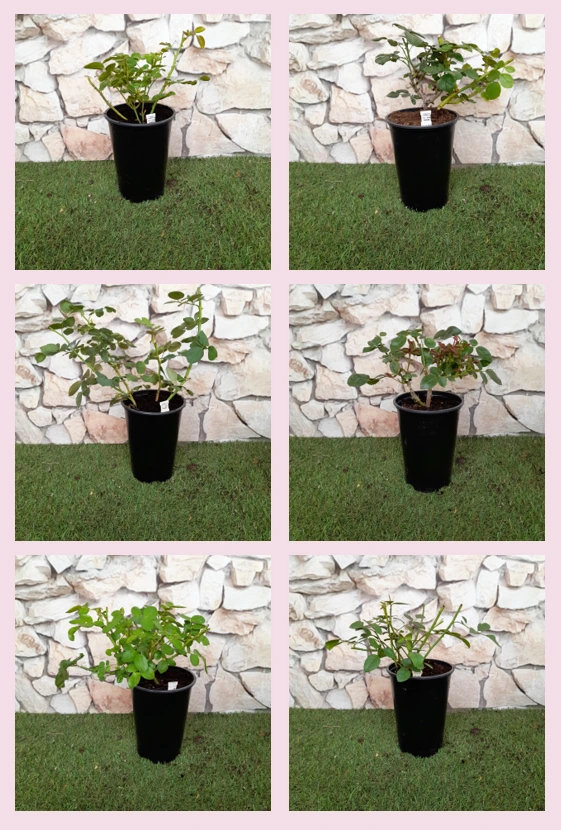
On breezy UK coasts where gardens face prevailing winds, SASAD offers a quietly romantic hybrid tea rose that still feels reliably robust and easy to live with. Its mid‑pink, cupped blooms carry a clearly scented, tea‑fruity fragrance, ideal beside a chair or veranda door where you can enjoy them at close quarters after a day on the beach. Bushy, upright growth keeps the plant neat in smaller family gardens, and its repeat‑flowering flushes bring colour from early summer well into autumn with minimal fuss. Because it is supplied own‑root in a practical 2‑litre container, SASAD establishes steadily, building roots in year one, stronger shoots in year two and full ornamental value by year three for a reassuringly long lifespan. Its reliable disease resistance means fewer sprays and fewer worries, even in damper coastal air, while its tidy shrub shape works equally well as a single specimen or as a low, rosy screen along a shingle path or terrace. In a generous 40–50 litre container on a sheltered veranda, the slightly glossy mid‑green foliage and classic blooms create a soft, “girly” coastal mood without demanding expert maintenance.
Usage options
| Target area |
Reasoning |
| Coastal veranda in large containers |
SASAD copes well with breezier, exposed spots and, in a 40–50 litre pot with free‑draining compost, forms a tidy, upright shrub that anchors the space and flowers repeatedly through the season for relaxed coastal evenings – ideal for the busy veranda owner. |
| Feature rose near seating or terrace |
The moderately strong tea‑fruity scent and classic hybrid tea form are best appreciated close up; planted beside a bench or patio, SASAD delivers fragrant, mid‑pink blooms over many weeks with little intervention – perfect for the fragrance‑loving tea drinker. |
| Low, romantic screening by shingle path |
Its bushy yet upright habit and 80–110 cm height allow SASAD to work as a light screen along paths or driveways, softening hard edges while still letting light through, giving gentle privacy without overpowering compact gardens – suitable for the informal boundary planter. |
| Small mixed flower bed in family garden |
With reliable repeat blooming and a neat footprint of 50–70 cm, SASAD slots easily into mixed borders among perennials and grasses, giving steady colour without crowding play space or outdoor eating areas – reassuring for the practical family gardener. |
| Cut‑flower rows for home arrangements |
The long‑stemmed, solitary blooms with well‑formed, cupped heads make SASAD a natural for cutting; it provides elegant, mid‑pink stems across the season so you can fill vases without stripping the garden – attractive to the home flower arranger. |
| Long‑term planting for low‑input gardens |
As an own‑root rose, SASAD regenerates well from the base, avoiding graft issues and supporting decades of use with a stable look; once established, it needs only basic pruning and deadheading – ideal for the time‑pressed non‑expert. |
| Coastal bed with wind‑tolerant companions |
In shingle or well‑drained coastal beds, its upright form and resistant foliage combine well with sea kale, Festuca and lavender, creating a fresh, salty, windy feel that stays tidy even when storms roll through – appealing to the seaside‑style enthusiast. |
| Easy‑care rose hedge or mass planting |
Planted 50–60 cm apart, SASAD forms a low hedge or massed drift of mid‑pink, with strong disease resistance helping it stay attractive without intensive spraying, a practical choice where regular visits are difficult – helpful for the low‑maintenance planner. |
Styling ideas
- Coastal veranda trio – Plant SASAD in a 50 litre tub flanked by blue Festuca and a low sea kale for a soft, seaside palette – for coastal balcony and veranda owners wanting effortless charm.
- Pink tea corner – Use SASAD beside a bistro set with herbs in pots to enjoy scented blooms over morning tea – for those who like to savour fragrance in a compact space.
- Shingle pathway ribbon – Line a shingle path with a loose row of SASAD, underplanting with Alchemilla mollis for frothy lime contrast – for gardeners seeking a gentle, feminine coastal walk‑through.
- Cutting strip – Reserve a sunny border row for SASAD and lavender, giving perfumed stems for vases and a neat, structured look in the garden – for home florists who value easy, reliable cutting material.
- Front‑garden welcome – Combine SASAD with mock orange and low grasses to frame a front gate or drive, keeping maintenance light while offering long‑season colour – for busy households wanting an inviting approach.
Technical cultivar profile
| Property |
Data |
| Name and registration |
SASAD is a hybrid tea rose by Márk Gergely, traded as “Sasad Hybrid tea rose Márk”, belonging to the Hybrid tea rose commercial group for garden and cutting use. |
| Origin and breeding |
Bred in Hungary in 1967 at the Budapesti Kertészeti Kutató Intézet, with parentage unknown; introduced to the market by PharmaRosa® Ltd., exact registration dates not recorded. |
| Growth and structural characteristics |
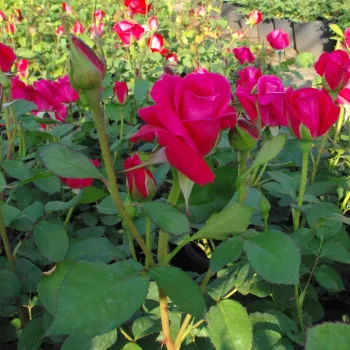
Forms an upright, bushy shrub 80–110 cm high and 50–70 cm wide, with moderately dense, mid‑green, slightly glossy foliage and moderate prickliness, suitable for beds, hedges and containers. |
| Flower morphology |
Large, double, cupped blooms with 26–39 petals, borne mainly singly on stems; repeat‑flowering with a generous second flush, making it effective for both ornamental display and cutting. |
| Colour data and phenology |
Mid‑toned pink with peachy warmth; ARS mp, RHS 62C outer, 62D inner, brightening to pearlescent pink then soft cream‑tinted pale pink before fading, maintaining good garden presence through opening. |
| Fragrance and aroma |
Moderately strong, clearly noticeable scent with a pleasant tea‑fruity character; best appreciated at close range near paths, doors or seating, adding sensory interest to compact gardens and terraces. |
| Hip characteristics |
Produces moderate numbers of ellipsoidal hips 12–16 mm across, turning orange‑red as they mature, adding a subtle seasonal accent in late season if spent flowers are not removed. |
| Resistance and winter hardiness |
Hardy to around −21 to −18 °C (RHS H7, Swedish zone 3, USDA 6b) with documented resistance to powdery mildew, black spot and rust, supporting low‑input maintenance in typical UK climates. |
| Horticultural recommendations |
Prefers a sunny position with well‑drained soil; plant at 50–100 cm depending on use, allowing 2.8–3.2 plants/m² in groups, with regular deadheading to offset weak self‑cleaning and encourage repeat bloom. |
SASAD offers fragrant mid‑pink hybrid tea blooms, reliable repeat flowering and long‑term own‑root resilience in beds or containers, making it a thoughtful choice for relaxed, low‑effort coastal and family gardens.