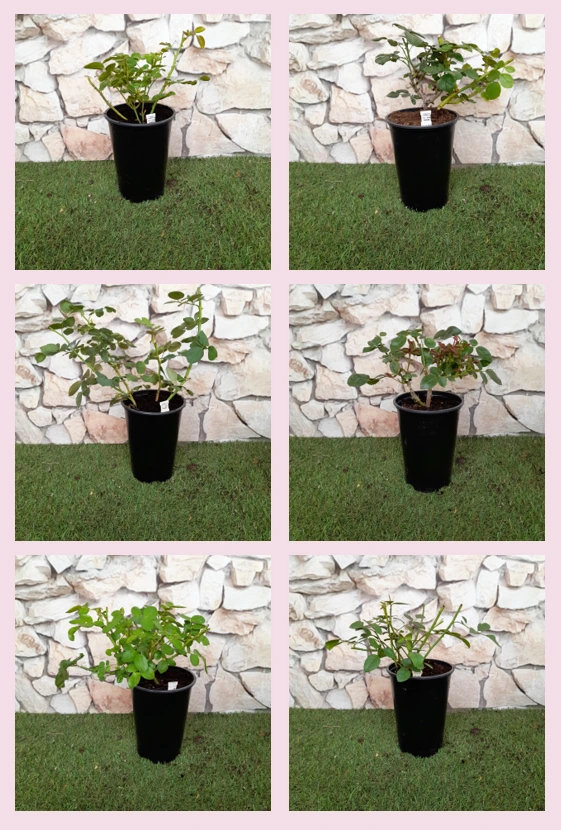
SEBASTIAN SCHULTHEIS – pink hybrid tea rose – Schultheis & Bennett
Imagine returning from the shore, pouring tea on a sheltered veranda, and looking out over a neat ribbon of roses quietly holding the breeze at bay. SEBASTIAN SCHULTHEIS is a reliable hybrid tea that settles into coastal and inland family gardens with reassuring ease, coping well where thoughtful drainage helps roots stay firm in wet, windy conditions. Its upright habit forms a tidy, medium‑tall shrub, ideal beside shingle paths or in view from a sunny patio. Repeating flushes of generously sized, cupped blooms in nuanced coral‑pink tones bring a soft, “girly” charm from early summer onwards, while the own‑root stock supports a long‑lived framework that regenerates well after pruning. Over time, you can expect a natural development: first a season focused on building strong roots, then bolder shoots, and by the third year a dependable, full ornamental display for everyday relaxation.
Usage options
| Target area |
Reasoning |
| Small coastal front garden bed |
The upright structure and moderate spread make it easy to fit into modest front gardens, where repeat flowering adds colour along paths or driveways without overcrowding other shrubs, well‑suited to beginners. |
| Salt‑tolerant veranda container |
In a 40–50 litre container this rose forms a stable, long‑lived shrub, its own‑root character helping it recover from wind stress and occasional neglect, ideal for exposed verandas used by busy homeowners. |
| Coastal wind‑buffer planting strip |
The medium height and upright habit lend themselves to a loose, flowery screen that softens wind while keeping sightlines open, especially effective where careful drainage keeps roots secure in blustery, rainy gardens. |
| Family seating area focal point |
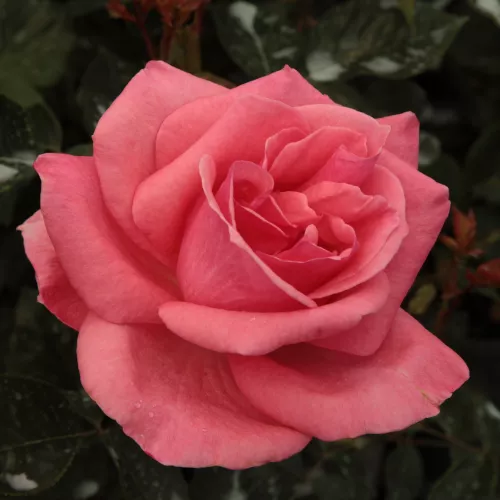
Large, cupped pink blooms with a classic rose fragrance create a gentle, romantic focus beside seating or a tea corner, offering an easy way to bring “occasion” to everyday moments for relaxed families. |
| Low‑maintenance mixed border in heavy soil |
Good disease resistance and modest maintenance needs make it a sound choice for mixed borders in typical British clay, where once‑established roots anchor well and cope with seasonal wet for time‑pressed gardeners. |
| Own‑root long‑term specimen shrub |
Planted with space as a single specimen, the own‑root habit supports a long life, steady framework and reliable regrowth after harder pruning, rewarding patient enthusiasts. |
| Classic hybrid tea cutting corner |
Solitary, long‑stemmed blooms in a refined coral‑pink palette work beautifully for cutting, allowing simple home‑grown arrangements without specialist skills, appealing to creative flower‑lovers. |
| “Girly” coastal scheme with grasses and perennials |
The soft pink tones blend easily with sea kale, Festuca and lavender, giving a breezy, feminine look that suits shingle or decked spaces by the sea, especially attractive for coastal‑style designers. |
Styling ideas
- Shell‑Pink Border – Pair with sea kale and blue Festuca along a shingle path to echo beach tones and movement – ideal for coastal homeowners wanting a relaxed, seaside feel.
- Veranda Trio – Plant in a 50‑litre pot with low lavender and trailing thyme for scent and structure – suited to busy beginners who enjoy simple container displays.
- Tea‑Time Focus – Use three plants near a seating area as a fragrant, pink focal curve – perfect for families who like to sit outside with a pot of tea.
- Romantic Screen – Create a loose, shoulder‑height ribbon beside a fence to soften wind and views – good for small‑garden owners seeking privacy without heavy hedging.
- Classic Cut‑Flower Corner – Dedicate a sunny bed to neat rows for cutting long‑stemmed blooms – appealing to hobby florists who enjoy arranging their own roses.
Technical cultivar profile
| Property |
Data |
| Name and registration |
SEBASTIAN SCHULTHEIS, hybrid tea rose, Schultheis & Bennett; current trade name used in commerce, group classification Hybrid Tea, suitable both as garden shrub and for cutting. |
| Origin and breeding |
Hybrid derived from ‘The Queen Elizabeth Rose’ and ‘Mabel Morrison’ × ‘E.Y. Teas’; introduced 1882 in Great Britain and 1979 in Germany by the Schultheis family and Henry Bennett. |
| Growth and structural characteristics |
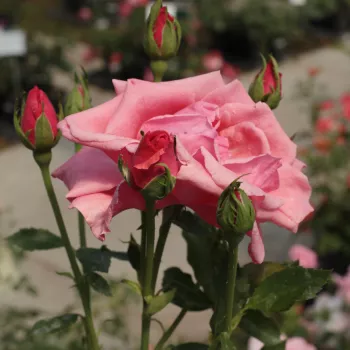
Medium‑tall, upright shrub reaching around 110–150 cm in height and 80–110 cm in spread, with moderately dense, mid‑green, slightly glossy foliage and moderate thorns along the stems. |
| Flower morphology |
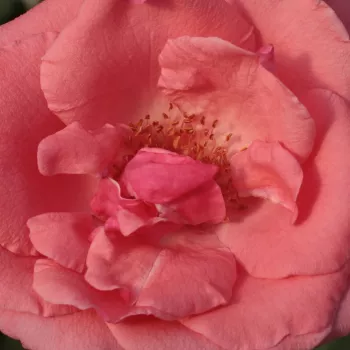
Large, double, cupped hybrid tea blooms with 26–39 petals borne mainly singly on stems; repeat‑flowering with a generous second flush under normal garden conditions in a sunny UK position. |
| Colour data and phenology |
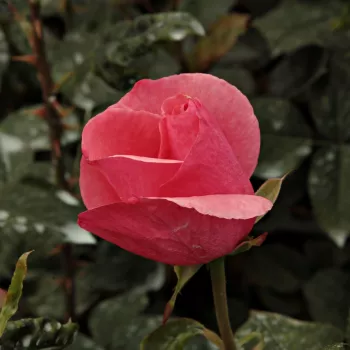
Rich pink with carmine undertone; buds coral‑salmon, opening to warm coral, then softening to peach‑cream and powder pink with ivory edges as flowers age, giving a nuanced, multi‑tonal effect. |
| Fragrance and aroma |
Classic rose fragrance with variable strength, ranging from light to notably strong depending on weather and stage of bloom, contributing a traditional scent to seating areas and cutting gardens. |
| Hip characteristics |
Occasional, sparsely produced hips about 12–18 mm across; hips are not a dominant ornamental feature and are generally secondary to the plant’s flowering and structural qualities in garden use. |
| Resistance and winter hardiness |
Hardy to approximately −26 to −23 °C (RHS H7, USDA 5b, Swedish zone 4); reported resistant to powdery mildew, black spot and rust under normal garden care in well‑chosen sites. |
| Horticultural recommendations |
Best in full sun with free‑draining soil; plant 50–60 cm apart in groups, or 100 cm for specimens; low maintenance, with routine deadheading and winter pruning usually sufficient. |
SEBASTIAN SCHULTHEIS offers reliable repeat flowering, robust disease resistance and a long‑lived, regenerating own‑root framework, making it a thoughtful choice if you want lasting colour with little effort.