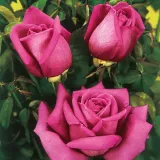
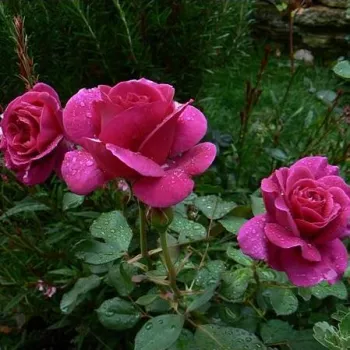
Botanical rose

52-879-1
52-879-2

Rosa Banksiae lutea

Botanical rose

- – John Damper Parks

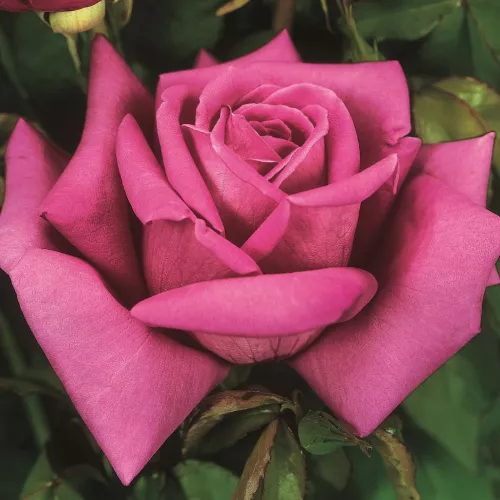
Creamy light yellow with a slightly deeper yellow shade towards the centre. - species rose - very weak, barely noticeable scented rose - classic rose character

– Clouds of small, double butter-yellow blooms.
– Vigorous climber for walls, arbours and pergolas.
– Glossy, dense foliage gives lush green backdrop.
– Good heat and moderate drought tolerance.
– Historic cultivar with prestigious RHS AGM awards.
Special feature: Celebrated in the World Federation of Rose Societies Old Rose Hall of Fame for timeless garden value.
Nature-friendly garden design – Harmonious environment
Rosa Banksiae lutea
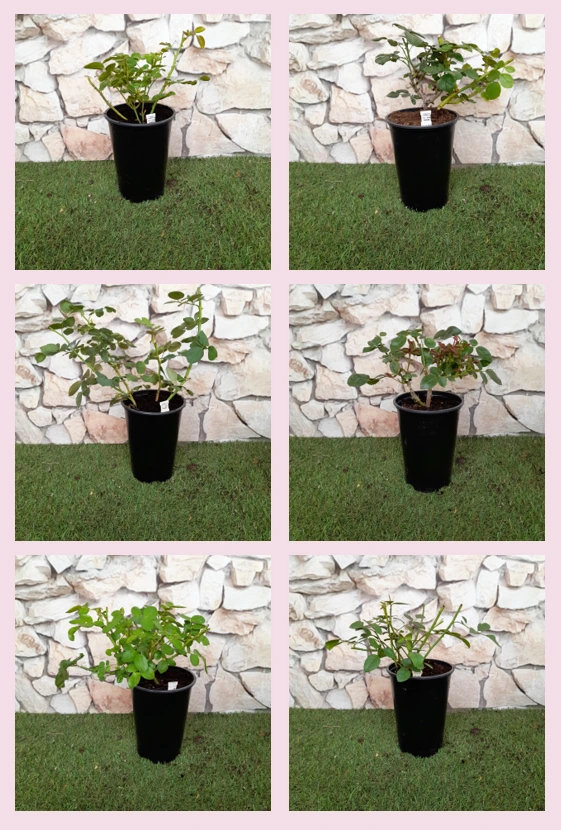
vivianaROSE® ORIGINAL 2-litre own-root potted rose
24,80 £
Unfortunately, we are currently unable to ship to the United Kingdom; we only deliver to countries within the European Union. For more information, please contact us!
3 (4349)
facebook   twitter

Rosa Banksiae lutea – botanical rambler rose for coastal charm

Let this graceful rambler bring a soft, sunlit shoreline mood to your garden, clothing walls, arches or verandas in clouds of small, butter-yellow blooms while coping well with breezy, salt-kissed conditions and reliably holding in heavier soils. Once settled, its vigorous yet light growth creates an airy screen that feels more like dappled sunshine than a solid hedge, ideal beside shingle, sea kale and pale grasses. As an own-root plant it offers reassuring longevity, regenerating from the base after harsh weather and maintaining steady ornamental value with minimal intervention. In a large 40–50 litre container on a sheltered balcony or deck it delivers a romantic, coastal-veranda atmosphere, while in the ground it anchors itself strongly over time. Think of its development as roots in year one, generous shoots in year two, and full, curtain-like beauty by year three – a long-term investment in easy, seaside relaxation.


Usage options

Target areaReasoning
Small coastal veranda in large containers In a 40–50 litre pot this rose gives you airy height and a curtain of soft yellow without demanding constant care, ideal for a sheltered Cornish or Devon balcony where space is tight yet you still want a sea-breeze feel for the beginner.
Family garden arbour or arch Trained over an arch, the long, slender canes and dense foliage form a light green tunnel with a single, dramatic spring display that children and adults remember, while own-root vigour helps it recover well after shaping for the homeowner.
Sunny house wall or warm courtyard Its climbing habit and tolerance of reflected heat suit a south- or west-facing wall, where the small, double flowers create a soft, romantic backdrop; good anchorage and an own-root base make it a long-lived feature for the town-gardener.
Wind-filtering screen near the coast Used along a pergola or boundary frame, the dense yet fine-textured foliage softens gusts and filters views while coping steadily with blustery, salt-tinged air and holding its own in typical heavier coastal soils for the seaside-owner.
Shingle-style, “girly” seating corner Combine its lemon-yellow pompoms with sea kale, Festuca and lavender around a bistro set to create a fresh, feminine corner where you can drink tea after beach walks, with one generous flowering that needs little pruning for the busy-gardener.
Low-maintenance park or large family lawn edge Given room, it can spill naturally over a fence or structure, requiring only occasional tidy-ups; its once-a-year flowering keeps deadheading simple, while own-root stamina supports decades of use for the long-term-planner.
Sheltered terrace with mixed containers Planted in a large pot with underplanting such as verbena or dwarf grasses, this rambler offers height without harsh thorns and a soft, yellow canopy, bringing coastal character to compact spaces for the veranda-lover.
Feature specimen on a sturdy pergola On a robust pergola it can be trained into an impressive, cascading curtain; once established it forms a stable framework of woody stems from its own roots, helping it regenerate after hard pruning for the hobby-gardener.

Styling ideas

  • Seaside-Arch – Drape Rosa Banksiae lutea over a white-painted metal arch set in gravel, pairing with sea kale and blue Festuca to echo beach tones – ideal for coastal-style enthusiasts.
  • Veranda-Curtain – Grow it in a 50 litre half-barrel with a slim trellis, letting canes form a soft screen beside outdoor chairs – perfect for balcony owners seeking privacy without heaviness.
  • Pastel-Tea – Combine its lemon pompoms with lavender and pale pink perennials near a bistro table on shingle, evoking relaxed afternoon tea by the sea – suited to romantic gardeners.
  • Park-Edge – Train along a timber pergola edging a lawn, underplanting with airy verbena for a naturalistic, low-input border – good for families wanting impact with modest maintenance.
  • Cottage-Coast – Let it climb a sunny cottage wall with clay pots of herbs below, mixing traditional charm with a breezy, maritime feel – attractive to homeowners blending old and new.

Technical cultivar profile
ParameterData
Name and registration Rosa Banksiae lutea is a botanical rambler from the Banksiae group, marketed as a species rose for parks and gardens; an old, unregistered cultivar widely known as R. banksiae lutea.
Origin and breeding Discovered as a naturally occurring yellow, double-flowered form of Rosa banksiae; introduced in 1824 by John Damper Parks via Calcutta Botanic Garden and the Royal Horticultural Society.
Awards and recognition Holds the RHS Award of Garden Merit and is listed in the World Federation of Rose Societies Old Rose Hall of Fame, underlining its enduring ornamental and horticultural value.
Growth and structural characteristics Strong, climbing rambler with 4.2–7.8 m height and 3.2–5.8 m spread; dense, glossy, medium-green foliage, slightly thorny stems and medium self-cleaning of spent flower clusters.
Flower morphology Bears many small, globular, very double flowers in clusters, typically 0.5–1.5 inches across; non-remontant, giving one abundant main flush that can almost cover the supporting structure.
Colour data and phenology Flowers open light lemon yellow, deepening towards the centre, then lighten to creamy butter-yellow in strong sun; overall effect is a soft, warm yellow mantle in late spring to early summer.
Fragrance and aroma Fragrance is very weak with a classic rose nuance only lightly perceptible; flowers are primarily ornamental, as the full-petalled form restricts access to stamens and nectar for insects.
Hip characteristics Hip set is usually scant because of the very double flowers; if present, hips are small, 4–8 mm, spherical and orange, adding only minor visual interest and limited wildlife food value.
Resistance and winter hardiness Best suited to mild regions, hardy to about −9 to −7 °C (RHS H4, USDA 8b); tolerates heat and moderate drought with watering in prolonged dry spells; prone to black spot and rust in damp sites.
Horticultural recommendations Plant in full sun with good drainage and support for climbing; space generously for arches, walls or pergolas; medium maintenance, with plant protection advisable in very humid, disease-prone conditions.

Rosa Banksiae lutea combines graceful rambler growth, romantic spring covering power and reassuring own-root longevity, making it a refined choice for coastal-style walls or verandas you plan to enjoy for decades; consider it if you value lasting, low-fuss structure.
Detailed product attributes

Product Identification Data

Product Name: BANKSIAE LUTEA – yellow species rose - Parks
Product Type: vivianaROSE® ORIGINAL - 2-litre own-root potted rose
Cultivar Authenticity: Verified:28.02.2025
Cultivar Quality Rating: premium gold
Item Number: [686] 52-879 (14.02.2026) vivianarose.co.uk

Name and Registration

Meaning of Cultivar Name: The cultivar name is of Latin origin; the word 'lutea' means yellow.
Cultivar Synonym: Yellow Banksian Rose; Yellow Lady Banks Rose; Banksian Yellow; Wong-moue-heong; Rosa banksiae f. lutea; R. banksiae luteo-plena
Original Trade Name: R. banksiae lutea
Current Trade Name: Rosa Banksiae lutea Botanical rose Parks
Rose Group: Rambler,Banksiae-Species
Commercial Type: species rose
Commercial Group: Botanical rose
Exhibition Category: species rose
Collection: Botanical rose

Origin and Breeding

Initial Distributor: Royal Horticultural Society (United Kingdom)
Registration Year: unregistered cultivar
Breeder: John Damper Parks
Breeding Company / Institution: Calcutta Botanic Garden (IND); Royal Horticultural Society (UK)
Breeding Year: United Kingdom, 1824
Parentage: Rosa banksiae naturally yellow, double-flowered form

Awards and Honours

Global and Lifetime Awards: World Federation of Rose Societies – Old Rose Hall of Fame (2018)
Horticultural Ratings and Recommendations: RHS Award of Garden Merit (AGM)
Competition and Show Awards: RHS Award of Garden Merit (AGM); World Federation of Rose Societies – Old Rose Hall of Fame (2018)

Growth and Structural Characteristics

Height: 13.8-25.6ft (420-780 cm)
Spread: 10.5-19ft (320-580 cm)
Growth Habit: climbing
Foliage: The variety’s foliage is dense. The leaves have a glossy surface and a medium‑green shade.
Prickliness: slightly thorny
Self-Cleaning Description: Spent flowers usually fall off by themselves, while clusters may partly remain on the plant.
Self-Cleaning Intensity: Self-cleaning ability: medium.

Flower Morphology

Flower Fullness: very double-flowered
Flower Shape: globular, pompon
Flower Size: S (0,5-1,5 in)
Inflorescence Type: cluster-flowered
Colour Code: ARS code: Y RHS code: 11C (outer), 9B (inner)
Repeat Flowering: Not remontant; flowers once.

Colour Data and Phenology

Colour: yellow
Flower Colour Description: Creamy light yellow with a slightly deeper yellow shade towards the centre.

Closed Bud: Pale yellow with a greenish-yellow tinge.

Newly Opened Flower: Light lemon yellow, with a more vivid yellow on the inner side.

Full Bloom: Uniform butter-yellow, slightly golden-yellow in the centre.
Before Fading: Lightening straw-yellow, the outer petals fade to an almost creamy yellow.
Colour Fading Description: In strong sunlight it lightens, fading to a creamy yellow.

Fragrance and Aroma

Fragrance Strength: very weak, barely noticeable scented rose
Fragrance Character: classic rose character
Pollinator Attraction: Strongly double, small flowers with poor access to the stamens make this variety not particularly attractive to pollinators.
Pollinator-Friendly Rating: Very double flowers conceal the stamens; primarily an ornamental variety.

Hip Characteristics

Hip Shape: spherical
Hip Colour: orange
Hip Comment: Rose-hip formation is scant or absent due to the very double flowers; if formed, 4–8 mm in diameter, globose, orange.

Resistance and Hardiness

Hardiness (°C): -9–-7 °C
Heat and Drought Tolerance Description: Tolerates heat and moderate drought well; requires irrigation during prolonged drought.
Disease Resistance: susceptible
  • powdery mildew – medium
  • black spot – susceptible
  • rust – susceptible

Horticultural Recommendations

Recommended Planting Distance: for mass planting 360 cm, for hedging 345 cm, as a solitary specimen 600 cm
Planting Density: in square planting 0,1 plants/m², in hexagonal arrangement 0,1 plants/m²
Partial Shade Tolerance: Preferably for a sunny spot
Maintenance Requirement: Maintenance requirement medium; plant protection required in extremely humid conditions.
Primary Uses: arbour, pergola, wall training, park, solitary specimen

Comments

Strengths: Nature-friendly garden design – Harmonious environment
Companion Plants: Verbena hastata ‘White Spires’ - Dense-flowered verbena white Prunus laurocerasus 'Klári' - Cherry laurel Knautia macedonica 'Red Knight' - Macedonian scabious
Comment: -
BANKSIAE LUTEA – yellow species rose - Parks
Creamy light yellow with a slightly deeper yellow shade towards the centre. - species rose - very weak, barely noticeable scented rose - classic rose character
Rose Shopping Online - species rose - Rosa Banksiae lutea - yellow - (13.8-25.6ft (420-780 cm))
Inflorescence: cluster-flowered Height: 13.8-25.6ft (420-780 cm) Flower shape: globular, pompon Winter hardiness: - yellow - Royal Horticultural Society (United Kingdom) species rose - Flower size: S (0,5-1,5 in) Flower size: S (0,5-1,5 in) - Height: 13.8-25.6ft (420-780 cm) Height: 13.8-25.6ft (420-780 cm) - Flower fullness: very double-flowered Rosa Banksiae lutea - Roses in the garden | vivianaROSE® Original - premium gold John Damper Parks

We showcase the external appearance of the roses available for online purchase from our webshop.


Which product type is right for you?


Information

In what condition do we send the rose from our online webshop?

Let us ask ourselves the question: What do I want to use the rose for?
Flower? - Location? - Screening? - Fragrance? - Height? - Breeder? - Rose hips?

Rose purchasing information
Payment methods - Delivery costs - Delivery - Complaints handling

Care guide

Our product is a rose grown with PharmaRosa®’s unique cultivation technology!

2 litre, own-root, potted rose.
With seasonal shoots appropriate to the time of year.
With a well-developed root system that permeates the growing medium.
Quality compliant with E.N.A. (European Nurserystock Association) requirements.
Supplied in unique, damage-preventing packaging.
Can be planted at any frost-free time.
True-to-variety rosebush, with unique identifier.

The own-root, potted PharmaRosa® rose is a well-rooted plant that guarantees reliable establishment for you, so it can be planted at any time of year during frost-free periods.


Crop: several varieties and several stages of development in one short crop section.
Shoot system: intense growth of fresh basal shoots on a young plant.
Root system: demonstration of the vigorous root system permeating the growing medium, with the pot removed.
Balance: mature plant with a root system and shoot system that are in harmony.

Information about the videos
This video series is not a “seasonal showcase”, but a way to make the essence of PharmaRosa®’s own-root production tangible: how the plant is built, what the root system looks like and how the shoot system renews itself. The footage was therefore taken at different times and of plants at various stages of development, so mixed levels of foliage and differing stages of growth may appear. These clips are not a ‘sample’ of the batch delivered to you, but an illustration of how the technology works. The current condition of the rose you are purchasing – typical for the given time of year and what you can realistically expect to receive in your parcel – is shown at the top of the product page.

pharmarosa.itpharmarosa.ptpharmarosa.sepharmarosa.fipharmarosa.eepharmarosa.compharmarosa.atpharmarosa.co.ukpharmarosa.czpharmarosa.depharmarosa.ropharmarosa.sipharmarosa.skpharmarosa.hrpharmarosa.frpharmarosa.grpharmarosa.bepharmarosa.dkpharmarosa.nlpharmarosa.iepharmarosa.plpharmarosa.lupharmarosa.espharmarosa.bgpharmarosa.ltpharmarosa.lvpharmarosa.ru

Product types

Pages for private customers
Garden roses for the family garden, with minimal care  → ORIGINAL®
Premium garden roses – instant impact, a truly showpiece garden  → EXTRA®
Pages for professionals and private customers
Roses for public spaces – large areas, sustainable maintenance  → NATURAL®
Roses for projects – hedge and row planting, fast implementation  → RAPID®
For professional partners only
Production – propagation material for garden roses, wholesale  → NEONATAL®

Company details

PharmaRosa Ltd.
Company registration number: 01-09-717479
VAT number: 13075314-2-43
Plant health registration no.: HU130721
Bank account (IBAN):
HU85117631891388688400000000
BIC (SWIFT): OTPVHUHB
Bank name: OTP Bank Nyrt.