SIR FREDERICK ASHTON – white hybrid tea rose - Beales
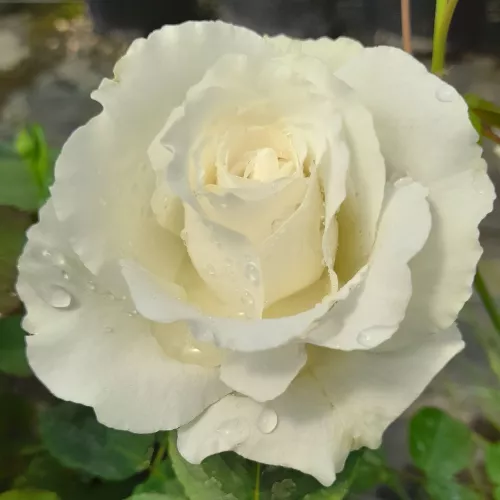
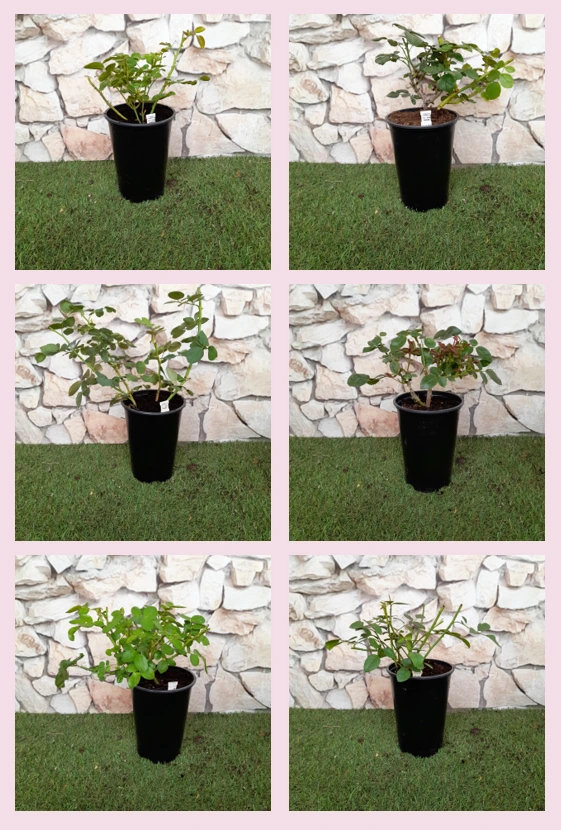
Imagine stepping onto your coastal veranda after a blustery walk, kettle on and sand still on your shoes, to be met by the poise of tall, white blooms that stand steady even where breezes regularly funnel between houses, offering a calm screen that quietly moderates salt‑laden gusts and unsettled light. This hybrid tea’s strong stems carry large, high‑centred flowers that repeat from summer into autumn, so your small family garden or townhouse terrace keeps its sense of theatre long after other shrubs have faded. Bred by Peter Beales, it combines reliable health with a rich, clearly defined perfume, providing cuttable stems for the table as well as evening relaxation outdoors. Grown on its own roots in our 2‑litre containers, it settles without fuss, building a stable framework for long seasons of display and measured elegance with very little ongoing attention.
Usage options
| Target area |
Reasoning |
| Coastal veranda in large containers |
Upright, medium‑tall growth and strong stems mean it holds its shape in exposed spots, particularly when planted in a 40–50 litre container with good drainage on a Cornish or Devon balcony or deck, suiting owners of coastal verandas. |
| Small front gardens and entrance beds |
The pure white, high‑centred blooms bring a formal, welcoming note to modest spaces, while the compact spread makes it easy to slot beside paths or drives without overwhelming the layout, ideal for busy urban garden owners. |
| Cutting patch or mixed flower bed |
Long, straight stems with exhibition‑type flowers are well suited to cutting, and dependable repeat flowering ensures a steady supply of vases through the season, appreciated by hobby gardeners. |
| Low, upright rose hedge |
Regular spacing along a boundary creates a neat, scented line that screens lightly without blocking light, and the consistent height and flower form give a composed, almost classical effect for homeowners. |
| Family seating and tea corner |
The strong, rich fragrance and elegant white blooms make a calm focal point around a small seating area, adding a sense of occasion to everyday tea breaks outdoors, rewarding those who want a beautiful, flowering rose. |
| Low‑maintenance family border |
Good disease resistance and modest water needs under typical UK conditions keep spraying and fuss to a minimum, offering reliable summer colour with simple pruning once established, well suited to beginners. |
| Urban courtyard with light wind exposure |
The upright, anchored framework copes with channelling breezes between buildings and maintains its vertical accent without sprawling, particularly when roots are allowed to develop deeply, attractive for urban garden owners. |
| Long‑term structure in a coastal‑style scheme |
As an own‑root rose, it ages steadily and recovers better from knocks or occasional dieback, supporting a long‑lived planting where reliable structure and enduring blooms matter to coastal‑style lovers. |
Styling ideas
- Balcony-Ballet – Partner in a 50‑litre container with blue Festuca and sea kale to echo shingle colours and upright lines – ideal for coastal-style lovers.
- Seashell-Border – Line a narrow front path with three plants underplanted with Liriope muscari for a soft, white-and-lilac welcome – perfect for homeowners.
- Tea-and-Tutus – Place near a small bistro set, backed by Lavandula, so scented white blooms frame relaxed afternoon tea – suited to hobby gardeners.
- Harbour-Hedge – Create a short, low hedge along gravel with Campanula portenschlagiana tumbling at the base for a neat yet romantic edge – good for beginners.
- Curtain-Call – Use one specimen in a large pot against a sunny wall, flanked by Japanese spurge in the ground, to give year-round structure and summer drama – ideal for busy urban garden owners.
Technical cultivar profile
| Parameter |
Data |
| Name and registration |
Hybrid tea rose, exhibition hybrid tea; trade name SIR FREDERICK ASHTON – white hybrid tea rose - Beales; American Rose Society exhibition name Sir Frederick Ashton. |
| Origin and breeding |
Sport of ‘Anna Pavlova’ hybrid tea; bred by Peter Leslie James Beales, United Kingdom, introduced 1985 by Peter Beales Roses as a premium garden and exhibition variety. |
| Growth and structural characteristics |
Upright hybrid tea with medium-tall height around 100–140 cm and 70–110 cm spread; moderately thorny shoots carry moderately dense, matte, dark green foliage for a balanced, vertical habit. |
| Flower morphology |
Large, double, high-centred blooms with 26–39 petals on mainly solitary stems; pointed buds open in classic hybrid tea form, with remontant flowering and a notably abundant second flush in season. |
| Colour data and phenology |
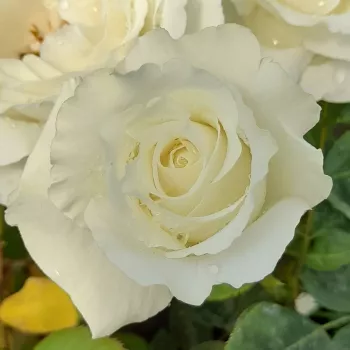
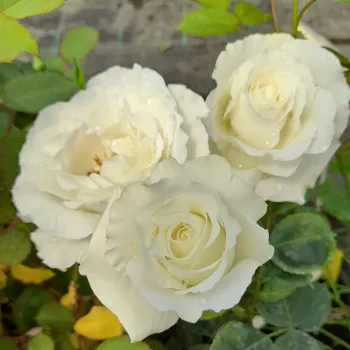
Snow-white petals with creamy-yellow tint on inner side; buds cream-white with icy tips, ageing to faint ivory while remaining chiefly white; ARS white, RHS 155C and 11D codes describe the colour range. |
| Fragrance and aroma |
Strong, clearly defined rose fragrance with rich character; scented blooms perform well near seating or paths, adding a traditional perfumed presence in the garden and to cut-flower arrangements indoors. |
| Hip characteristics |
Hip set is limited due to the double, tightly filled blooms; occasional small, spherical red hips about 12–18 mm may form late in the season, contributing only modestly to autumn interest. |
| Resistance and winter hardiness |
RHS hardiness H7, tolerating approximately −21 to −18 °C and USDA zone 6b; shows resistance to powdery mildew, black spot and rust, though irrigation helps during prolonged heat or drought. |
| Horticultural recommendations |
Best in sunny sites for flowering; plant at 55–100 cm spacing depending on use, with 2.5–2.9 plants/m² in mass plantings; low maintenance needs, with routine pruning and watering in extended dry spells. |
SIR FREDERICK ASHTON offers strong, upright stems, richly scented white flowers and dependable health in a durable own-root form, making it a thoughtful, low-effort choice for long-lived coastal or town gardens.