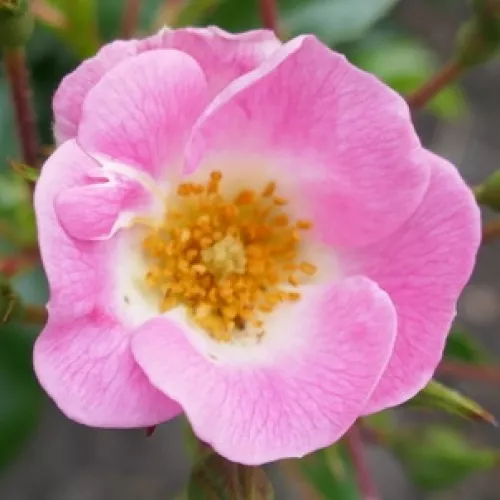
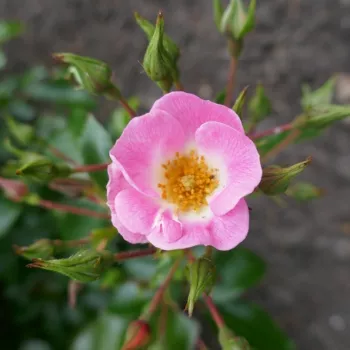
Sirona Naturosa® VISboprim – pastel pink groundcover floribunda rose
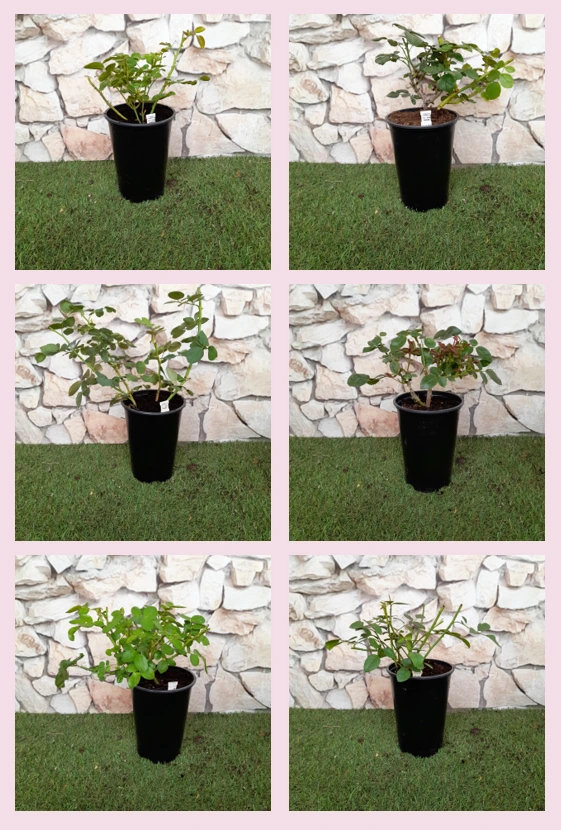
Imagine soft pink waves of bloom on your veranda or shingle border, a living windbreak for coastal tea times that stays composed even when gusts whip in from the sea and the soil needs careful water management. Sirona Naturosa® VISboprim forms a low, spreading shrub that quickly knits into a neat, weed‑suppressing carpet, ideal for busy gardeners who want colour without fuss. Its dense, mid‑green foliage and naturally self‑cleaning flowers keep the plant looking fresh with minimal deadheading and little more than seasonal pruning. Bred for strong disease resistance and winter hardiness, it is well suited to family gardens across much of the UK, including exposed plots near the coast. As an own‑root plant, Sirona settles steadily: in the first year it focuses on roots, the second brings more shoots, and by the third you enjoy its full display with reliable, long‑term structure.
Usage options
| Target area | Reasoning |
|---|
| Coastal veranda containers (40–60 litre tubs) |
Compact, spreading growth and good wind tolerance make Sirona ideal for large coastal pots where space is limited but impact matters. Its shallow yet fibrous root system anchors well in roomy containers with drainage, supporting steady top growth for coastal-style lovers. |
| Low groundcover along shingle or gravel paths |
The low, carpet‑forming habit quickly covers bare ground, softening shingle edges and suppressing weeds with minimal maintenance. Self‑cleaning flowers keep the surface tidy, so you can enjoy pastel colour without constant deadheading, suiting busy veranda owners. |
| Easy front‑of‑border in family gardens |
At around a metre high and wide, Sirona fills the front of mixed borders without overwhelming other plants. Its simple planting distances and predictable shape help beginners design neat lines and drifts, creating order and seasonal interest for hobby gardeners. |
| Low‑input, long‑term planting schemes |
Bred for strong disease resistance and certified in international trials, Sirona keeps its foliage healthy with little intervention. You spend less time spraying or replacing failed plants and more time enjoying a stable, long‑lived display, ideal for maintenance-averse owners. |
| Clay‑based beds with improved drainage |
Once planted into clay soil that has been opened up with grit or compost, Sirona’s spreading root system establishes reliably and copes with exposed, showery conditions, giving pastel colour where many roses struggle in such weather for UK coastal gardeners. |
| Pollinator‑friendly family corners |
The single to semi‑double blooms with exposed stamens offer easy access for bees, adding gentle movement and life where children play. Light fragrance keeps the effect subtle while the pastel tones remain welcoming and calm for nature-conscious families. |
| Mass bedding and low hedging |
Clear spacing guidelines and even, spreading growth make it simple to plan ribbons or blocks of colour. Plants knit together into a low hedge or groundcover sheet that stays visually coherent over years, suiting structure-loving beginners. |
| Long‑season colour in small gardens |
Remontant flowering brings a generous second flush after the first wave, stretching the season from early summer well into autumn. As the own‑root plant matures, these flushes become fuller, rewarding initial patience for small-garden homeowners. |
Styling ideas
- Coastal-Soft – combine Sirona with sea kale and blue fescues in a large shingle bed for a relaxed, beachside feel – ideal for coastal-style lovers seeking easy structure.
- Veranda-Trio – plant Sirona in a 50–60 litre container with trailing thyme and dwarf box for a neat, fragrant pot – perfect for beginners furnishing a small veranda.
- Pastel-Drift – mass‑plant Sirona in sweeping lines along a front path, underplanted with low Carex for movement – suited to homeowners wanting simple but polished kerb appeal.
- Family-Haven – group Sirona with lavender and sage near seating, giving bees open flowers while keeping heights child‑friendly – great for nature-conscious families creating a gentle play backdrop.
- Clay-Revive – in improved clay beds, mix Sirona with ornamental grasses for a resilient, long‑view border – for time-poor gardeners wanting structure that largely looks after itself.
Technical cultivar profile
| Parameter | Data |
|---|
| Name and registration |
Sirona Naturosa®, VISboprim; floribunda shrub, bed rose type; ARS exhibition name ‘Sirona’. Part of the Naturosa® collection selected for reliable garden performance. |
| Origin and breeding |
Bred by Martin Vissers (Vissers International) in Belgium, 2019; parentage undisclosed. Initially distributed by Viva International and introduced to the market in Belgium in 2019. |
| Awards and recognition |
Multi‑medal winner in European trials, including gold at Nyon 2022 and top honours at Bagatelle, Paris 2024, culminating in Excellence Rose certification for proven garden reliability. |
| Growth and structural characteristics |
Low, spreading shrub reaching about 85–115 cm in height and width, with dense, mid‑green slightly glossy foliage and moderate prickliness; forms an even groundcover canopy over time. |
| Flower morphology |
Medium, flat, single to semi‑double blooms with 5–12 petals, borne in large clusters. Remontant habit provides a generous second flush of flowers after the initial main flowering period. |
| Colour data and phenology |
Pastel pink blooms, ARS PB; RHS 65C outer, 65D inner, whitening toward the centre. Colour gradually fades to soft white with a pale eye, creating a light, airy effect as clusters age. |
| Fragrance and aroma |
Fragrance is very weak and barely noticeable, making it suitable where strong scent is not desired. Visual effect and flower form are the main ornamental features rather than aroma. |
| Hip characteristics |
Small spherical hips, about 4–6 mm diameter, orange‑red (RHS 40A). Limited data on abundance; ornamental interest is primarily from foliage and flowers rather than from fruit display. |
| Resistance and winter hardiness |
High resistance to powdery mildew, black spot and rust. Rated to approximately −26 to −23 °C (RHS H7), corresponding roughly to USDA zone 5b and Swedish zone 4 for cold tolerance. |
| Horticultural recommendations |
Best in full sun with well‑drained soil; plant 60–110 cm apart depending on use, giving about 2–2.4 plants per m² in mass schemes. Prune lightly and feed annually for sustained flowering. |
Sirona Naturosa® VISboprim offers pastel groundcover colour, strong disease resistance and reliable repeat flowering on a durable own-root framework, making it a thoughtful choice for long-term, low-fuss coastal or family plantings.