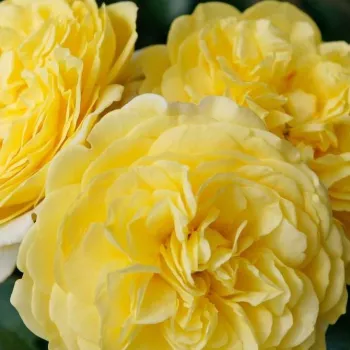
Solero® – lemon-yellow bedding floribunda rose – Kordes
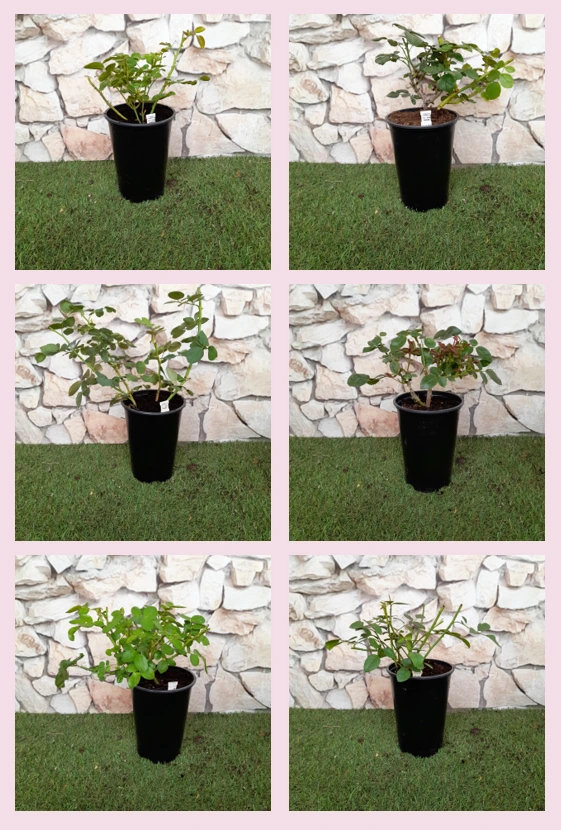
Imagine stepping onto your veranda after a windy coastal walk: the clusters of lemon blooms on Solero® light up small spaces with a soft, sunlit glow, bringing calm refreshment even in exposed, breezy gardens. This compact, bushy floribunda anchors borders reliably, its roots settling well in free-draining soil that still copes with heavy, rain-soaked clay. Masses of self-cleaning flowers mean minimal deadheading and more time for relaxed tea, while its remontant habit keeps colour returning from early summer into autumn. The 2-litre own-root form is bred for long service: steady lifespan, neat shape and the ability to regenerate if cut back or weather-battered. Plant in a bright, sheltered corner by shingle, pair with sea-hued grasses and herbs, and watch over three seasons as roots establish, shoots build, and full ornamental impact develops.
Usage options
| Target area | Reasoning |
|---|
| Coastal veranda pots (40–50 litre) |
Solero® stays compact yet full, making it ideal for large tubs on Cornish or Devon verandas where space is tight but you still want generous flowering. Its bushy habit and own-root resilience suit busy owners seeking low-fuss structure for beginners. |
| Small front gardens and paths |
The moderate height and dense foliage create a tidy, welcoming edge along drives and front paths without overwhelming narrow beds. Self-cleaning clusters keep the display neat between visits, appealing to time-poor homeowners. |
| Flowerbeds in family back gardens |
In a typical family garden, Solero® works as a bright anchor rose, repeating well through the season with only basic feeding and watering. Its long own-root life makes it a dependable backdrop for play areas and seating used by modern families. |
| Coastal-style shingle and gravel planting |
This variety copes well with breezy, exposed beds where good drainage is combined with soils that can sit heavy after rain, giving you sunlit colour without fussy care in a setting that echoes long, windy shores for coastal-style lovers. |
| Low informal flowering hedge |
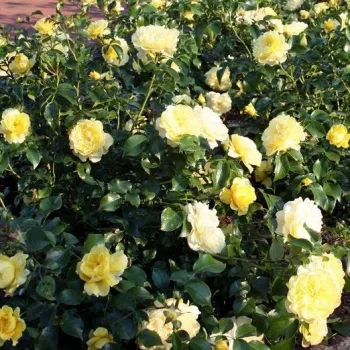
Planted at closer spacings, its bushy framework knits into a low, lemon-yellow ribbon of colour, softening fences or defining boundaries while remaining easy to keep in shape, which suits relaxed but tidy-minded garden owners. |
| Mixed borders with perennials and grasses |
The steady, pastel lemon-yellow clusters blend smoothly with blues, mauves and silver foliage, giving long-season structure among perennials. This makes it a practical choice for those wanting reliable form and colour with minimal tweaking for hobby-gardeners. |
| Urban terraces and balconies |
In large containers, its moderate size, repeat bloom and self-cleaning habit offer a lot of impact for very little work, ideal where access to the garden is limited and watering and light pruning are all that busy city dwellers can provide for urbanites. |
| Long-term planting schemes |
Own-root plants establish steadily, building roots in the first year, more shoots in the second and a mature, floriferous shrub by the third, making Solero® suitable for gardeners planning ahead and valuing lasting structure for planners. |
Styling ideas
- Seaside Veranda Trio – Pair Solero® in a 50 litre pot with blue Festuca and a low sea kale for a breezy, beach-hut feel – perfect for coastal-style lovers wanting low-care brightness.
- Pastel Shingle Bed – Set groups of Solero® into gravel with Calamintha nepeta ‘Blue Cloud Strain’ for soft movement and scented air – ideal for beginners seeking forgiving planting.
- Lemon-and-Lavender Border – Alternate Solero® with compact Lavandula to frame a path in calm lemon and mauve – suited to homeowners who like neat colour with simple pruning.
- Urban Balcony Focus – Use one well-grown Solero® as a focal shrub in a large cube planter, underplanted with trailing thyme – good for busy urbanites wanting one hardworking feature.
- Play-Friendly Family Strip – Plant a low strip along a lawn, mixing Solero® with airy Verbena bonariensis for height without heaviness – great for families sharing space between play and flowers.
Technical cultivar profile
| Characteristic | Data |
|---|
| Name and registration |
Floribunda bed rose, registered as KORgeleflo, marketed as Solero® RigoRosen®, bush rose (floribunda) type; name references the Spanish ‘sol’, highlighting its bright sun-yellow flowering. |
| Origin and breeding |
Bred by Tim-Hermann Kordes, W. Kordes’ Söhne, Germany, from ‘KORgosumu’ × unnamed seedling; bred 2000, registered 2010 and introduced after 2010 as part of the RigoRosen® collection. |
| Awards and recognition |
ADR award 2009 plus multiple European medals: RNRS Trial Ground Certificate and Rome Silver Medal in 2009, further honours in Baden bei Wien, Kortrijk and Hradec Králové, confirming garden performance. |
| Growth and structural characteristics |
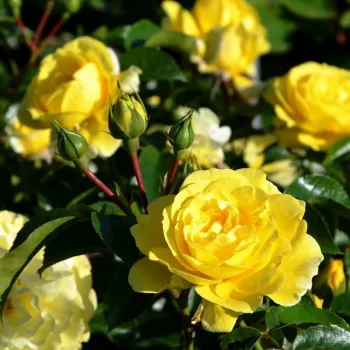
Compact, bushy shrub 60–85 cm high and 50–70 cm wide with dense, glossy dark green foliage and moderate prickliness; clusters freely over the plant, forming a rounded, well-filled bed or edging line. |
| Flower morphology |
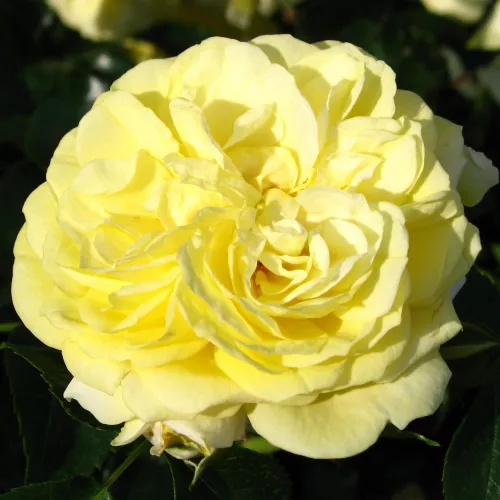
Very double, cupped, cluster-flowering blooms, each medium-sized (around 4–7 cm), with 40+ petals; remontant habit gives abundant second and later flushes, and spent flowers generally drop cleanly. |
| Colour data and phenology |
Lemon-yellow overall, RHS 4C outer and 5B inner petals; buds pale yellow with greenish tinge, newly opened flowers bright mid-yellow, ageing to creamy pale yellow and almost white petal edges in strong sun. |
| Fragrance and aroma |
Clearly perceptible, medium-strength fragrance with a pleasantly sweet character; noticeable at close range without becoming overpowering, offering a good balance between visual and scented garden value. |
| Hip characteristics |
Produces spherical red hips 6–10 mm across in moderate numbers, adding a light decorative touch in late season where flowers are not deadheaded, and offering additional seasonal structure to the shrub. |
| Resistance and winter hardiness |
Hardy to approximately −26 to −23 °C (RHS H7, USDA 5b, Swedish zone 4); medium resistance to mildew, black spot and rust, with good heat tolerance if watered during extended drought in summer. |
| Horticultural recommendations |
Best in sunny positions with reasonably drained soil; plant 35–65 cm apart according to use, at 5.7–6.5 plants/m² for mass plantings, and provide routine feeding plus occasional health checks and pruning. |
Solero® combines compact, self-cleaning clusters, a long season of lemon-yellow bloom and durable own-root growth, making it an easy, enduring choice for relaxed coastal and family gardens you are planning now.