SOYEUSE DE LYON – orange tea-hybrid rose - Ducher
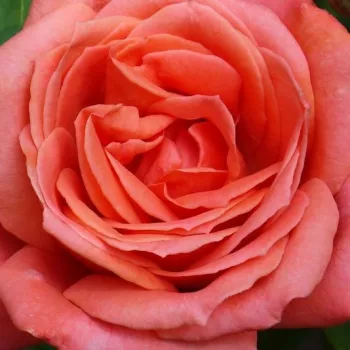
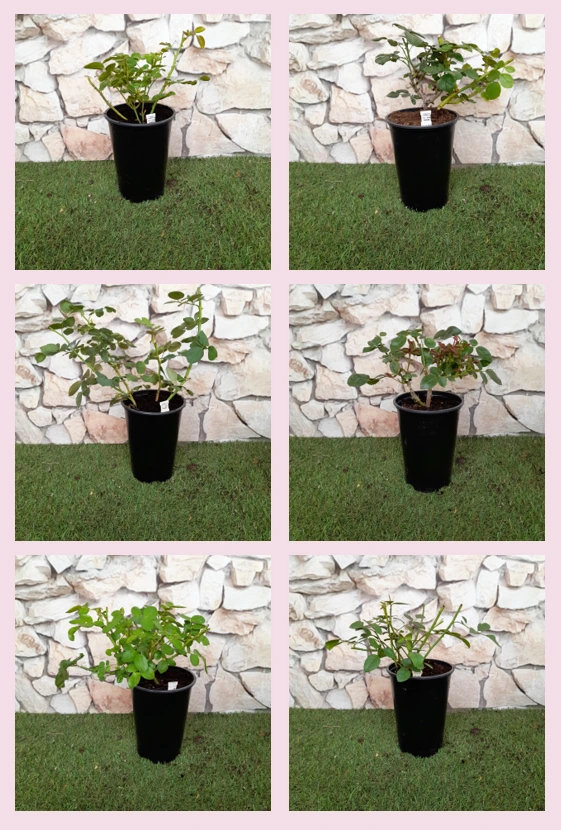
Let SOYEUSE DE LYON bring a discreet air of seaside elegance to your family garden or coastal veranda, its upright habit naturally creating a sheltered nook where you can enjoy tea after a blustery beach walk in a space that calmly shrugs off strong Atlantic breezes and shifting weather. The warm salmon-orange blooms, softly scented and generously recurrent, lend a feeling of refreshment from early summer well into autumn, while the healthy, disease-resistant foliage keeps the plant looking consistently tidy without complicated pruning routines. As an own-root rose it offers reassuring stability and the promise of longevity, steadily building a deeper root system in year one, stronger framework and flowers in year two, and its full ornamental effect by year three. Ideal for smaller plots and shingle gardens, it sits comfortably among sea kale, fescues and lavender, its moderate height giving a sense of privacy without dominating the view, while the colour play from apricot to peach-pink adds visual interest beside pale gravel or weathered decking. Reliable remontant flowering and low maintenance demands make it a relaxing choice when you want coastal charm with minimal effort.
Usage options
| Target area |
Reasoning |
| Small coastal veranda container (40–60 litres) |
A bushy but compact hybrid tea, SOYEUSE DE LYON is easy to manage in a generous 40–60 litre pot, where its upright habit forms a soft screen for chairs and loungers without overpowering limited space, suiting beginners. |
| Wind-filtering accent near shingle seating |
Planted close to a bench on shingle or gravel, its moderately tall, upright growth filters breeze without forming a dense wall, giving a calm corner that still feels open to sea views, helpful for a family. |
| Low-maintenance flower bed near patio |
With good resistance to mildew, black spot and rust, this cultivar keeps its dark green foliage clean in wet, windy spells, reducing spraying and fuss in typical British summers, appreciated by a busy homeowner. |
| Long-season feature beside front path |
Remontant blooming with an abundant second flush ensures colour returns repeatedly from summer into autumn, so the approach to your door stays welcoming for months on end, reassuring for a time-pressed gardener. |
| Specimen rose in mixed coastal border |
The refined salmon-orange to peach-pink blooms stand out against sea kale, blue fescues and lavender without clashing, giving a sophisticated focal point that complements coastal planting styles, inspiring a design-conscious owner. |
| Cut flowers from the family garden |
Large, cupped, double blooms on sturdy stems make attractive, subtly scented vase material, allowing you to bring indoor arrangements straight from the garden as an easy luxury for any household. |
| Durable planting for long-lived borders |
An own-root plant regenerates well from the base, avoids graft suckers and maintains its character for many years, giving stable structure to established beds and reassuring value for the long term for a thoughtful buyer. |
| Resilient feature in exposed family garden corner |
In an average UK family garden it establishes a firm root system and bushy framework that stand up to frequent rain and brisk winds along the coast, supporting a reliable display even in unsettled weather for coastal residents. |
Styling ideas
- Veranda Screen – Position in a 50–60 litre container by a balustrade, underplant with trailing thyme and blue fescues for a soft, wind-filtering backdrop – ideal for balcony and veranda users.
- Shingle Glow – Set several plants in a shingle bed with sea kale and low grasses, letting the warm blooms echo sunset tones over pale gravel – suited to coastal-style enthusiasts.
- Pathway Welcome – Use as repeating accents along a front path with lavender and box for structure, giving long-season colour that looks smart with minimal upkeep – perfect for busy homeowners.
- Patio Centrepiece – Plant a single specimen in a broad terracotta tub, surrounded by pale pebbles and a lightweight bistro set for relaxed afternoon tea – appealing to small-garden dwellers.
- Cottage Border – Mix into a loose cottage border with bluebeard shrub and airy perennials, using its upright form as a subtle vertical anchor – attractive to romantic-leaning gardeners.
Technical cultivar profile
| Parameter |
Data |
| Name and registration |
Hybrid tea rose, registered as DUCsoy, marketed as SOYEUSE DE LYON Hybrid tea rose DUCsoy; exhibition tea hybrid and cut-flower type within the Hybrid Tea group. |
| Origin and breeding |
Bred by Fabien Ducher at Roseraie Ducher, France, from unknown parentage; introduced and registered in 2007 as part of the firm’s heritage-inspired garden rose assortment. |
| Awards and recognition |
Chosen by Lyon City Council as the official commemorative rose for the 150th anniversary of Parc de la Tête d’Or in 2007, underscoring its ornamental reliability and local cultural link. |
| Growth and structural characteristics |
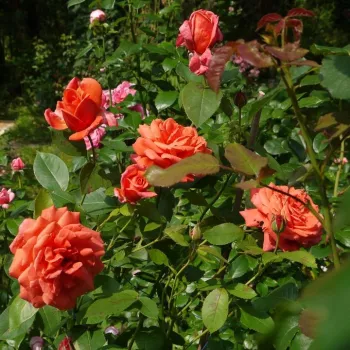
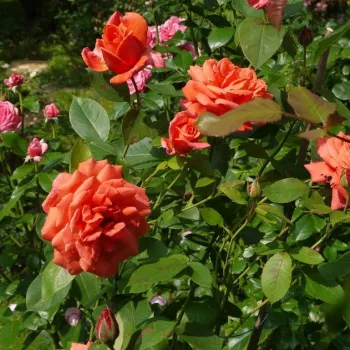
Bushy, upright shrub to around 105–135 cm high and 60–85 cm wide, with moderately dense, slightly glossy dark green foliage and moderate prickliness, forming a balanced medium-sized bush. |
| Flower morphology |
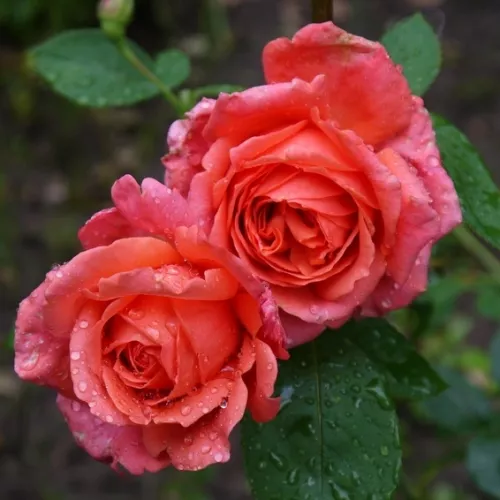
Large, cupped, double blooms with 26–39 petals, mostly borne singly on stems; remontant throughout the season, with the second flush also described as notably abundant and showy. |
| Colour data and phenology |
Medium salmon-orange base with pink undertones; buds bright orange, opening to orange-salmon then soft peach-pink as they fade, with ARS code OP and RHS 25C outer, 25D inner petals. |
| Fragrance and aroma |
Mild, pleasant fragrance of understated character, noticeable at close range without overpowering; primarily valued for colour and form rather than strong scent, with limited pollinator appeal. |
| Hip characteristics |
Occasional small spherical red hips, around 8–12 mm in diameter, forming after some spent blooms are left uncut, adding modest seasonal interest without becoming dominant on the plant. |
| Resistance and winter hardiness |
Good overall disease resistance, rated resistant to powdery mildew, black spot and rust; winter hardiness approximately −21 to −18 °C, corresponding to RHS H7 and USDA zone 6b performance. |
| Horticultural recommendations |
Suitable for beds, low hedging, specimens and cutting; low maintenance with little intervention needed, planted 50–90 cm apart at 2.8–3.2 plants/m² depending on square or hexagonal layouts. |
SOYEUSE DE LYON offers healthy, long-season blooms on a durable, own-root hybrid tea that settles reliably into family gardens and containers, making it a thoughtful choice if you value lasting colour with little fuss.