Botanical rose

52-962-1
52-962-2

Rosa omeiensis pteracantha

Botanical rose

- – -

Small, simple, mostly four-petalled flower with pure white or slightly creamy petals and a pale yellow–golden-yellow ring of stamens, single-colour overall appearance without striping. - landscape shrub rose - mild, restrained fragrance rose - delicate, s

– Authentic Botanical rose with wild charm
– Pure white blooms loved by pollinators
– Excellent disease resistance and winter hardiness
– Low-maintenance shrub for hedges and parks
– Decorative orange-red hips in autumn and winter
Special feature: Striking, wing-like thorns give unique structure and security.
Environmental harmony – Continuous availability
Rosa omeiensis pteracantha
vivianaROSE® ORIGINAL 2-litre own-root potted rose
21,10 £
Unfortunately, we are currently unable to ship to the United Kingdom; we only deliver to countries within the European Union. For more information, please contact us!
3 (3611)
facebook   twitter

ROSA OMEIENSIS PTERACANTHA – white landscape shrub rose

Designed for relaxed coastal and family gardens, ROSA OMEIENSIS PTERACANTHA offers a natural, informal look that suits breezy plots where wind and weather quickly expose fussy plants. This own‑root shrub establishes steadily, building a dependable framework that needs little intervention once settled. Its upright, bushy habit and dense foliage create an effective living screen with striking, winged thorns that glow red in low light, giving year‑round structural interest even after the brief spring flowering. Flowers are simple, open and pollen‑rich, drawing in bees and other pollinators while you enjoy quiet moments of refreshment on the veranda. Over time, the plant develops into a durable, deeply rooted presence that copes well with lean soils and coastal exposure, anchoring light shingle and softening boundaries in small to medium gardens. After planting in your chosen spot, roots first focus on stability, the second year brings stronger growth, and by the third year you can expect the full ornamental presence and screening effect with minimal routine maintenance. The bright autumn hips extend the season into winter, supporting garden wildlife and lending a quietly rugged charm that fits shingle, sea grass and weathered timber schemes alike.


Usage options

Target area Reasoning
Coastal, wind‑exposed boundary in a family garden This shrub’s upright, bushy habit and dense foliage form a natural wind‑softening barrier without needing complex pruning, ideal for shingle or sandy soils that suit its resilient, landscape character – recommended for coastal veranda owners.
Low‑maintenance hedge or protective strip The dense, heavily thorned stems knit into an almost impenetrable barrier, giving privacy and discouraging unwanted access while remaining visually attractive through red canes, foliage and hips – ideal for security‑conscious homeowners.
Solitary specimen near terrace, deck or veranda As a stand‑alone feature, the translucent red thorns and white spring blossom create a striking focal point that looks refined in simple gravel or timber settings, yet asks very little in ongoing care – appealing to design‑led beginners.
Naturalistic, wildlife‑friendly corner of the garden The open, single flowers are rich in accessible pollen, followed by decorative orange‑red hips that feed birds and add colour deep into winter, supporting a lively, nature‑friendly atmosphere – perfect for wildlife‑loving families.
Pollinator corridor along a path or driveway Once established in a sunny strip, its single flush of simple white blooms draws bees and butterflies, linking other nectar sources while remaining robust and unfussy about soil, especially where summer drought can occur – suited to eco‑aware gardeners.
Large container on a sheltered coastal veranda In a 40–50 litre container with good drainage, this shrub offers structural height, seasonal blossom and hips with only light pruning, staying tidy and reliable in salt‑tinged breezes and variable weather – ideal for busy veranda owners.
Mixed shrub bed with grasses and perennials The architectural canes and fine, medium‑dark foliage blend well with ornamental grasses and long‑flowering perennials, giving contrast in form and texture while the rose itself remains long‑lived and undemanding – attractive to weekend gardeners.
Cut branches for floristry and indoor arrangements Young red, winged thorns and later hip‑laden stems provide dramatic material for sculptural arrangements, allowing you to enjoy its unusual character indoors without relying on traditional cut roses – inspiring for creative home stylists.

Styling ideas

  • Sea‑shingle screen – plant in a loose row through coastal gravel with Carex flacca ‘Blue Zinger’ for a grey‑blue understorey and a semi‑transparent windbreak – ideal for coastal homeowners.
  • Wildlife hedge – weave into a mixed native hedge where its flowers feed pollinators and hips feed birds, softening fences while keeping boundaries secure – suited to family gardens with children.
  • Veranda accent – grow in a 40–50 litre container beside outdoor seating, underplanted with low Festuca and lavender for a scented, textural look – perfect for small urban or coastal patios.
  • Naturalistic drift – group three plants in a loose triangle among airy Coreopsis and summer phlox to contrast simple white blooms with long‑season colour – good for relaxed cottage‑style spaces.
  • Architectural stems – allow strong canes to develop, then cut selected red‑thorned branches for minimalist vases, combining them with simple grasses for modern interiors – appealing to design‑focused owners.

Technical cultivar profile
Parameter Data
Name and registration Botanical shrub rose marketed as ROSA OMEIENSIS PTERACANTHA, belonging to the Botanical rose collection; a species‑type landscape shrub, unregistered but authenticated for garden and landscape use.
Origin and breeding Species rose of Chinese origin, introduced to Europe by Vilmorin‑Andrieux & Cie around 1890; parentage undocumented, selected from wild material rather than formal hybrid breeding lines.
Awards and recognition Holder of the Royal Horticultural Society First Class Certificate (United Kingdom, 1905), reflecting long‑standing horticultural merit and proven performance in traditional British garden conditions.
Growth and structural characteristics Strong, upright, bushy shrub with dense foliage and very thorny young canes, producing an architectural framework; forms a sizeable, long‑lived structure suitable for hedging, screens and specimen planting.
Flower morphology Single, flat flowers with 5–12 petals, borne mainly solitary on shoots; large for a species rose, with a simple, open form that offers excellent stamen accessibility for pollinators during the main bloom.
Colour data and phenology Flowers white to slightly creamy (RHS 155C) with a pale yellow‑golden stamen ring; a once‑flowering spring display followed by a long season of structural interest from canes, foliage and later fruit.
Fragrance and aroma Delicate, sweet, slightly oily scent of mild intensity; fragrance is noticeable at close range in still weather but never overpowering, complementing the understated, naturalistic character of the flowers.
Hip characteristics Produces numerous small, egg‑shaped hips around 8–15 mm across, colouring orange‑red by autumn; hips persist into winter, highly ornamental and attractive to birds in wildlife‑oriented plantings.
Resistance and winter hardiness Rated hardy to approximately −28 to −23 °C (RHS H5, USDA 5a, Swedish zone 4); generally resistant to powdery mildew, black spot and rust, and tolerates summer heat and moderate drought once established.
Horticultural recommendations Best in full sun or light shade with reasonable drainage; plant 1.2–3 m apart depending on hedge or specimen use, allow space for eventual size, and prune lightly to maintain structure and remove dead wood.

ROSA OMEIENSIS PTERACANTHA offers architectural thorns, wildlife‑friendly flowers and hips, and a durable own‑root structure that matures steadily, making it a thoughtful choice if you value long‑term character with little fuss.
Detailed product attributes

Product Identification Data

Product Name: ROSA OMEIENSIS PTERACANTHA – white landscape shrub rose
Product Type: vivianaROSE® ORIGINAL - 2-litre own-root potted rose
Cultivar Authenticity: Verified:03.08.2025
Cultivar Quality Rating: premium bronze
Item Number: [1063] 52-962 (14.02.2026) vivianarose.co.uk

Name and Registration

Meaning of Cultivar Name: The cultivar name derives from Mount Emei (Omei) and the Greek pteracantha ('winged thorn'), evoking the mountainous origin and the winged thorns.

Cultivar Synonym: Rosa sericea subsp. omeiensis f. pteracantha; Rosa sericea f. pteracantha; Rosa sericea

Original Trade Name: Rosa sericea L. f. pteracantha Franch.
Current Trade Name: Rosa omeiensis pteracantha Botanical rose -
Rose Group: Shrub
Commercial Type: landscape shrub rose
Commercial Group: Botanical rose
Exhibition Category: species roses; shrub roses
Collection: Botanical rose

Origin and Breeding

Initial Distributor: Vilmorin-Andrieux & Cie (France)
Registration Year: unregistered variety
Breeder: -
Breeding Company / Institution: Breeder company / institution: unknown / no data
Breeding Year: China, 1890
Parentage: unknown

Awards and Honours

Horticultural Ratings and Recommendations: Horticultural ratings and recommendations: -
Competition and Show Awards: Royal Horticultural Society – First Class Certificate (United Kingdom) (1905)

Growth and Structural Characteristics

Height: #VALUE!
Spread: #VALUE!
Growth Habit: upright, bushy
Foliage: The variety has dense foliage. There is little information available about the leaf surface, but their colour is a medium–dark green.
Prickliness: densely thorned
Self-Cleaning Description: No data available on self-cleaning.
Self-Cleaning Intensity: Self-cleaning strength: No data on self-cleaning strength.

Flower Morphology

Petal Count: 5–12
Flower Fullness: single flowered
Flower Shape: flat
Flower Size: L (2,75-3,95 in)
Inflorescence Type: solitary
Colour Code: ARS code: W RHS code: 155C (outer), 155C (inner)
Repeat Flowering: Non-remontant; blooms once.

Colour Data and Phenology

Colour: white
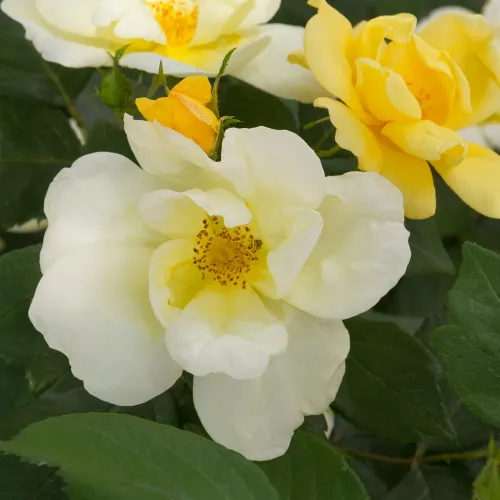
Flower Colour Description: Small, simple, mostly four-petalled flower with pure white or slightly creamy petals and a pale yellow–golden-yellow ring of stamens, single-colour overall appearance without striping.
Closed Bud: Closed bud: data not available.
Newly Opened Flower: Freshly opening flower: The freshly opening flowers are small and simple, appearing along the shoots with pure white or slightly creamy petals and a pale yellow ring of stamens in the centre; at this stage the colouring is uniform, the main contrast being
Full Bloom: Full opening: When fully open the flowers are small, simple, mostly four‑petalled, with pure white–cream petals and a conspicuous pale yellow ring of stamens; there is no significant colour difference between the petal margin and base, the flower is singl
Before Fading: Pre-flowering: data not available.
Colour Fading Description: No data on colour fading.
Colour Retention Level: Colour fading description: No data on colour fading.

Fragrance and Aroma

Fragrance Strength: mild, restrained fragrance rose
Fragrance Character: delicate, sweet, slightly oily scent
Pollinator Attraction: Pollinator attraction: its simple, four‑petalled open white flowers have readily accessible stamens, so the flower form and stamen accessibility make it particularly attractive to bees, butterflies and other insect pollinators.
Pollinator-Friendly Rating: Pollinator-friendly label: Specifically pollinator-friendly variety

Hip Characteristics

Hip Shape: egg-shaped
Hip Colour: orange-red
Hip Comment: Rose hips – note: Primarily ornamental; produces decorative, brightly coloured rose hips in autumn and winter.

Resistance and Hardiness

Hardiness (°C): -28–-23 °C
Heat and Drought Tolerance Description: Tolerates summer heat well; reliable in a sunny position and copes well with drought once well established. However, during prolonged drought it requires regular watering to maintain good condition.
Disease Resistance: resistant
  • powdery mildew – resistant
  • black spot – resistant
  • rust – resistant

Horticultural Recommendations

Recommended Planting Distance: Mass planting 200 cm, hedging 120 cm, specimen planting 300 cm
Planting Density: in square planting 0,25 plants/m², in hexagonal arrangement 0,29 plants/m²
Partial Shade Tolerance: suitable for partial shade
Maintenance Requirement: Maintenance requirement low; very frost-hardy, drought-tolerant and—according to sources—particularly disease-resistant, but under unfavourable conditions roses can still suffer fungal diseases (powdery mildew, black spot, rust).
Primary Uses: highlighted uses: solitary ornamental shrub, park and group plantings, hedge and protective strip (especially for thorny, impenetrable hedges), naturalistic and wildlife gardens, insect- and bird-friendly plantings, and as floristry material for visual im

Comments

Strengths: Environmental harmony – Continuous availability
Companion Plants: Carex flacca 'Blue Zinger' - blue sedge Coreopsis verticillata - threadleaf tickseed Phlox paniculata - panicled phlox
Comment: -
ROSA OMEIENSIS PTERACANTHA – white landscape shrub rose
Small, simple, mostly four-petalled flower with pure white or slightly creamy petals and a pale yellow–golden-yellow ring of stamens, single-colour overall appearance without striping. - landscape shrub rose - mild, restrained fragrance rose - delicate, s
#VALUE!
Inflorescence: solitary Height: #VALUE! Flower shape: flat Winter hardiness: 6b white - Vilmorin-Andrieux & Cie (France) landscape shrub rose - Flower size: L (2,75-3,95 in) Flower size: L (2,75-3,95 in) - Height: #VALUE! Height: #VALUE! - Flower fullness: single flowered Rosa omeiensis pteracantha - Roses in the garden | vivianaROSE® Original - premium bronze -

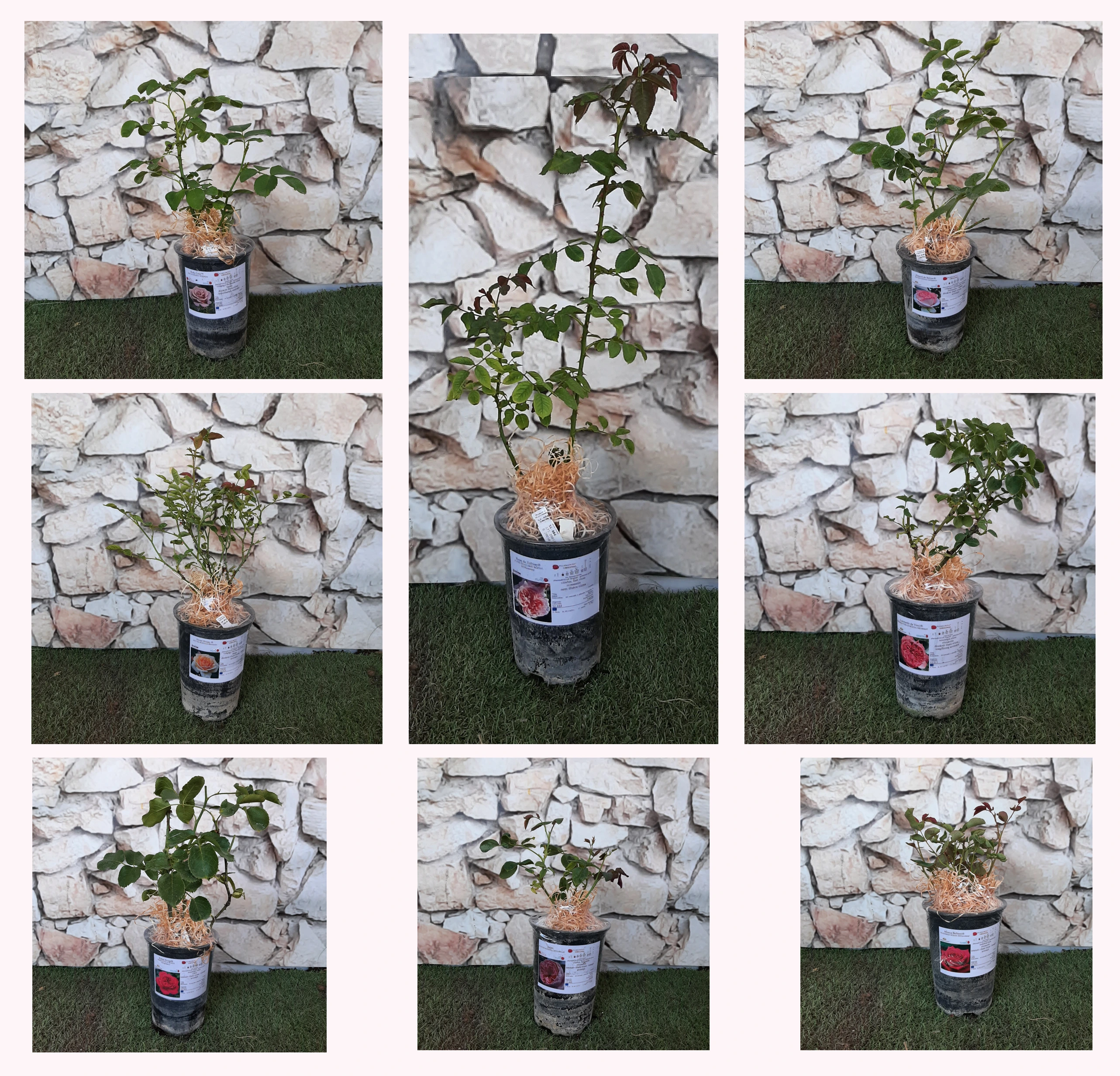
We showcase the external appearance of the roses available for online purchase from our webshop.


Which product type is right for you?


Information

In what condition do we send the rose from our online webshop?

Let us ask ourselves the question: What do I want to use the rose for?
Flower? - Location? - Screening? - Fragrance? - Height? - Breeder? - Rose hips?

Rose purchasing information
Payment methods - Delivery costs - Delivery - Complaints handling

Care guide

Our product is a rose grown with PharmaRosa®’s unique cultivation technology!

2 litre, own-root, potted rose.
With seasonal shoots appropriate to the time of year.
With a well-developed root system that permeates the growing medium.
Quality compliant with E.N.A. (European Nurserystock Association) requirements.
Supplied in unique, damage-preventing packaging.
Can be planted at any frost-free time.
True-to-variety rosebush, with unique identifier.

The own-root, potted PharmaRosa® rose is a well-rooted plant that guarantees reliable establishment for you, so it can be planted at any time of year during frost-free periods.


Crop: several varieties and several stages of development in one short crop section.
Shoot system: intense growth of fresh basal shoots on a young plant.
Root system: demonstration of the vigorous root system permeating the growing medium, with the pot removed.
Balance: mature plant with a root system and shoot system that are in harmony.

Information about the videos
This video series is not a “seasonal showcase”, but a way to make the essence of PharmaRosa®’s own-root production tangible: how the plant is built, what the root system looks like and how the shoot system renews itself. The footage was therefore taken at different times and of plants at various stages of development, so mixed levels of foliage and differing stages of growth may appear. These clips are not a ‘sample’ of the batch delivered to you, but an illustration of how the technology works. The current condition of the rose you are purchasing – typical for the given time of year and what you can realistically expect to receive in your parcel – is shown at the top of the product page.

pharmarosa.compharmarosa.atpharmarosa.co.ukpharmarosa.czpharmarosa.depharmarosa.ropharmarosa.sipharmarosa.skpharmarosa.hrpharmarosa.itpharmarosa.frpharmarosa.grpharmarosa.bepharmarosa.dkpharmarosa.nlpharmarosa.iepharmarosa.plpharmarosa.espharmarosa.bgpharmarosa.ltpharmarosa.sepharmarosa.lvpharmarosa.eepharmarosa.fipharmarosa.rupharmarosa.lupharmarosa.pt

Product types

Pages for private customers
Garden roses for the family garden, with minimal care  → ORIGINAL®
Premium garden roses – instant impact, a truly showpiece garden  → EXTRA®
Pages for professionals and private customers
Roses for public spaces – large areas, sustainable maintenance  → NATURAL®
Roses for projects – hedge and row planting, fast implementation  → RAPID®
For professional partners only
Production – propagation material for garden roses, wholesale  → NEONATAL®

Company details

PharmaRosa Ltd.
Company registration number: 01-09-717479
VAT number: 13075314-2-43
Plant health registration no.: HU130721
Bank account (IBAN):
HU85117631891388688400000000
BIC (SWIFT): OTPVHUHB
Bank name: OTP Bank Nyrt.