TANELAIGIB – white-pink bedding floribunda rose - Evers
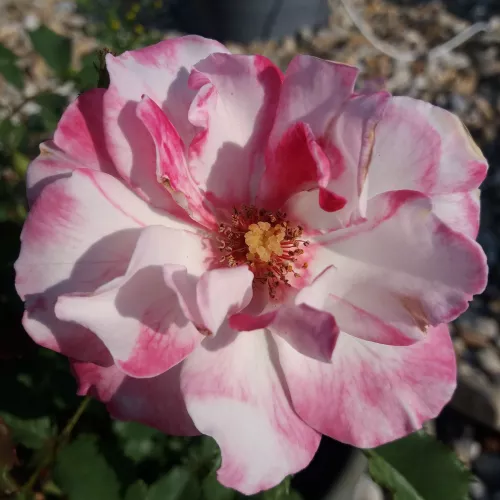
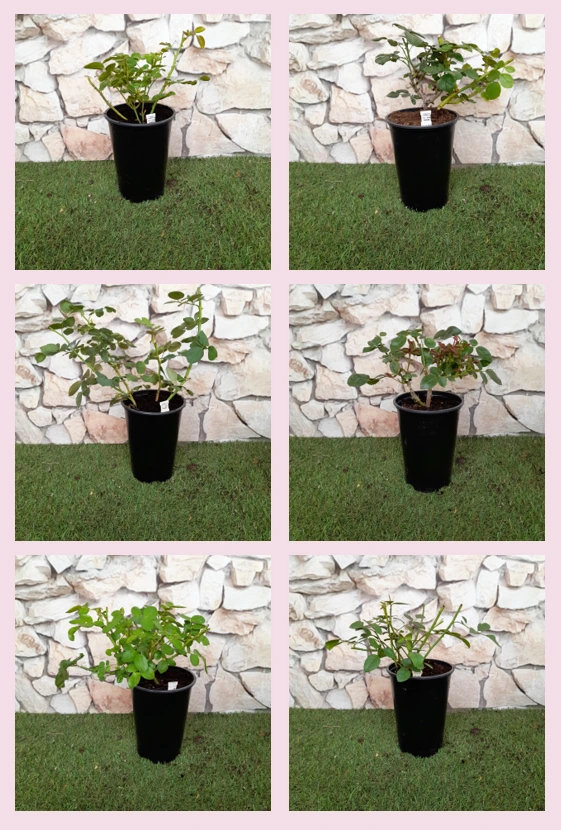
Bring a touch of coastal refreshment to your garden with TANELAIGIB, a compact floribunda that thrives even where breezes are brisk and soil needs careful drainage and water management. Its bushy, compact habit and dense, glossy foliage make it ideal for small family plots, shingle beds and sheltered verandas in Cornwall and Devon. Clusters of soft, pearly pink blooms with a deeper edge repeat reliably through the season, offering a gentle, subtle fragrance that suits relaxed outdoor seating areas. As an own-root plant, it establishes steadily and repays you with a long-lived, stable display, regenerating well if cut back or weather-checked. You can expect a quiet development arc as roots settle in year one, stronger shoots in year two and full ornamental value by the third season, all with straightforward, medium-level maintenance suited to busy gardeners.
Usage options
| Target area | Reasoning |
|---|
| Small coastal front garden bed |
The bushy, compact habit and 40–55 cm height make this rose excellent for low, tidy bedding in exposed but not fully open sites near the sea, where its dense roots gradually anchor into soil needing careful drainage and water management, appealing to the coastal homeowner. |
| Container on a sunny veranda (40–50 L) |
Its moderate size and clustered flowers suit a generous 40–50 litre pot, where consistent moisture and shelter from the harshest winds help the pastel pink blooms and foliage stay fresh, making seasonal care manageable for the busy veranda gardener. |
| Mixed border with perennials |
Reliable repeat flowering and pastel tones combine well with grasses and herbs, providing colour between perennial flushes without dominating the space, a practical, low-fuss choice for the family-border planner. |
| Informal low hedge along a path |
Recommended spacings of 25–30 cm allow you to create a short, informal hedge that defines paths or play areas, with uniform height and dense foliage offering a soft visual barrier valued by the family-garden owner. |
| “Girly” shingle or gravel planting |
The soft silvery-pink blooms with deeper edges sit beautifully among pale shingle and low herbs like thyme, giving a feminine, seaside feel with modest upkeep suited to the style-conscious beginner. |
| Partially shaded seating corner |
Its tolerance of partial shade lets it flower near a north-east or east-facing terrace where many roses struggle, keeping a pleasant, mild fragrance close to where you sit, which will reassure the occasional gardener. |
| Family garden focal clump |
Planted as a small group at 45 cm, the compact shrubs create an easy-to-manage focal point that responds well to light pruning and own-root regrowth, giving long-term structure prized by the practical homeowner. |
| Low-maintenance bed by drive or entrance |
Medium disease resistance with good black spot tolerance and modest care needs make it suitable for drive-side beds where spraying and frequent attention are limited, an asset for the time-poor gardener. |
Styling ideas
- Seaside Shingle Border – combine TANELAIGIB with sea kale, Festuca and pale gravel for a breezy coastal feel – ideal for coastal-style lovers wanting gentle structure with modest upkeep
- Pastel Veranda Pot – plant one rose in a 50 L container with trailing lobelia to soften the rim – perfect for beginners seeking easy colour by a seating area
- Girly Garden Edge – run a low line of shrubs along a path, underplanting with creeping thyme – suited to families who want a pretty but manageable boundary
- Soft Sunset Corner – pair with lavender cotton and dwarf grasses near a seating nook for evening fragrance – for homeowners creating a calm, low-effort retreat
- Compact Front-Garden Mix – group three plants with spring bulbs and small perennials to frame the entrance – attractive for urban gardeners needing tidy impact in little space
Technical cultivar profile
| Parameter | Data |
|---|
| Name and registration |
Floribunda bed rose; registered as TANelaigib, marketed as Tanelaigib Bedding rose TANelaigib, also known at shows as Abigaile; female given-name inspiration, shrub-floribunda exhibition category. |
| Origin and breeding |
Bred by Hans Jürgen Evers for Rosen Tantau, Uetersen, Germany; bred, registered and introduced in 1988 with parentage undisclosed; part of the company’s bedding shrub and floribunda assortment. |
| Growth and structural characteristics |
Bushy, compact shrub to around 40–55 cm tall and 35–50 cm wide, moderately thorny; densely clothed in medium to dark green, glossy foliage that forms a solid, low mound for bedding or edging. |
| Flower morphology |
Medium, cupped double blooms with approximately 13–25 petals, borne in clusters; remontant with a generous second flush; semi-double form gives a soft, informal appearance in mass plantings. |
| Colour data and phenology |
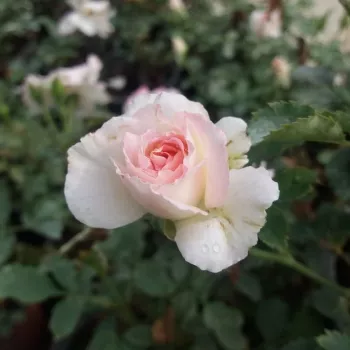
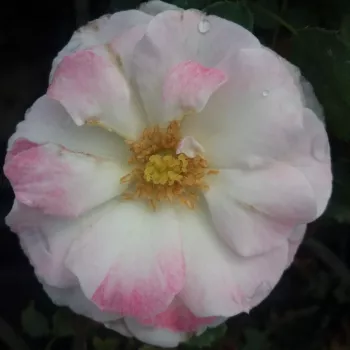
Silvery pink base with deeper pink edges (RHS 62C outer, 62A inner); buds deep carmine-pink; opens pale with magenta edging, then lightens to pastel pink with a pearlescent sheen, colours fading in strong sun. |
| Fragrance and aroma |
Mild, discreet fragrance with a soft rose character; not overpowering near seating or paths; double form and partly hidden stamens mean it is only moderately attractive to pollinating insects in the garden. |
| Hip characteristics |
Occasional small hips, spherical and bright red, around 7–10 mm across; decoratively subtle rather than dominant, appearing sporadically after flowering if spent blooms are not fully deadheaded. |
| Resistance and winter hardiness |
Hardy to about –21 to –18 °C (RHS H7, Swedish zone 3, USDA 6b); disease resistance medium overall, with good black spot resistance and moderate susceptibility to powdery mildew and rust in damp seasons. |
| Horticultural recommendations |
Suited to beds, borders and larger containers; medium maintenance with some deadheading and occasional plant protection; prefers well-drained, prepared soil and shelter from late spring frosts and extreme exposure. |
TANELAIGIB offers compact growth, repeat soft pink flowering and reassuring hardiness in an own-root form that builds long-term reliability and easy regeneration, making it a thoughtful choice for relaxed family gardens and coastal verandas.