TANGER™ – pink-yellow hybrid tea rose - Dot
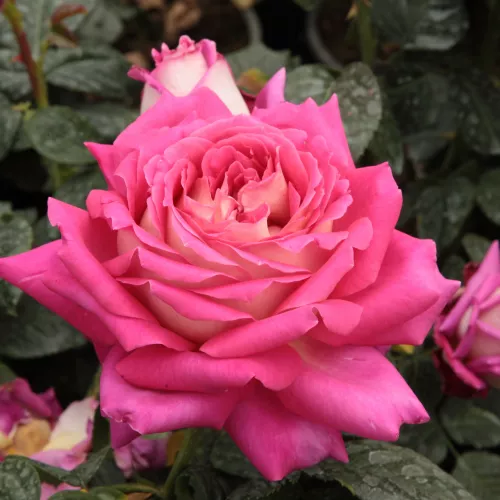
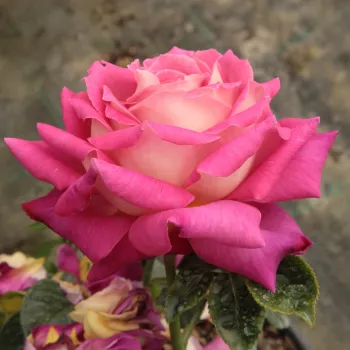
Imagine returning from the shoreline and sitting down to late-afternoon tea, sheltered from the breeze by a compact rose whose flowers echo the colours of a Cornish sunset: raspberry pink over creamy light-yellow. TANGER™ settles quickly into typical family gardens, coping well with exposed, breezy conditions and managing moisture where soils can stay heavier after rain. Its compact habit fits easily beside a shingle path, on a veranda in a 40–50 litre container, or as a low wind-filtering screen that softens salty air without dominating small spaces. This hybrid tea brings remontant flowering, giving charming, well-shaped blooms for cutting as well as for garden display, while its own-root longevity and steady regeneration mean less worry about harsh winters or the odd stormy week. Moderate disease resistance and a light, fresh fragrance keep upkeep relaxed, and over time you can expect a natural arc of establishment: strong roots in the first year, confident new shoots in the second, and full ornamental presence by the third – an easy-going, coastal-friendly companion for busy gardeners who still want a refined, characterful rose.
Usage options
| Target area | Reasoning |
|---|
| Small coastal front garden border |
The compact, upright habit and moderate height make TANGER™ ideal for narrower beds along shingle or gravel drives, where it forms a neat line without overshadowing paths or windows, suiting space-conscious homeowners. |
| Feature rose in a 40–50 litre veranda container |
Strong own-root longevity and regeneration let the plant build a stable framework in a larger pot, giving reliable flowering with simple seasonal feeding and watering, appealing to busy veranda gardeners. |
| Cutting patch or cutting-friendly mixed border |
Classic hybrid tea form with very full, mid-sized, solitary blooms makes this rose excellent for vases, providing elegant stems through a long season for home flower enthusiasts. |
| Remontant focal point near seating |
Remontant flowering with a generous second flush gives colour on and off all summer, so the plant continues to earn its place by a bench or patio for relaxed outdoor loungers. |
| Long-term structure in a family garden |
Own-root growth and steady regeneration give a long-lived, stable shrub that copes well with years of family use, pets and coastal weather, reassuring long-range planners. |
| Coastal position with wind and rain exposure |
The compact, upright framework holds its shape in breezier gardens and manages wetter spells on heavier soils, offering calm structure in changeable weather for coastal-style lovers. |
| Low-maintenance rose grouping in mixed planting |
Moderate resistance to black spot and powdery mildew reduces the need for frequent spraying, letting you focus on simple watering and pruning, which suits time-pressed beginners. |
| Scented accent near a doorway or path |
The light, fresh fragrance lends a gentle, welcoming note without overwhelming small entrances or narrow side paths, making it comfortable for scent-sensitive visitors. |
Styling ideas
- Seaside-porch retreat – Place TANGER™ in a 40–50 litre tub on a veranda with sea kale and blue Festuca to echo shoreline colours – ideal for coastal veranda owners.
- Sunset-cutting strip – Line a narrow sunny bed with TANGER™ and interplant with Oriental poppies for dramatic stems to cut – perfect for home florists.
- Compact-front border – Use TANGER™ in front gardens with low grasses and daylilies for structured yet space-saving colour – suited to small-plot households.
- Long-view anchor – Plant a trio in a lawn island so their long-lived, own-root framework becomes a reliable focal point – appealing to long-term planners.
- Breezy-tea corner – Combine TANGER™ with lavender and groundcover honeysuckle beside a bench for a lightly scented, wind-filtering nook – great for relaxed afternoon tea drinkers.
Technical cultivar profile
| Parameter | Data |
|---|
| Name and registration |
Tanger™ hybrid tea rose, exhibition-type hybrid tea; ARS exhibition name Tanger; unregistered cultivar used under the commercial designation Tanger™ Hybrid tea rose Dot. |
| Origin and breeding |
Bred by Pedro Dot, Rosas Dot, Sant Feliu de Llobregat, Spain; cross between ‘Condesa de Sástago’ and ‘Peace’; breeding completed and introduced in 1949. |
| Growth and structural characteristics |
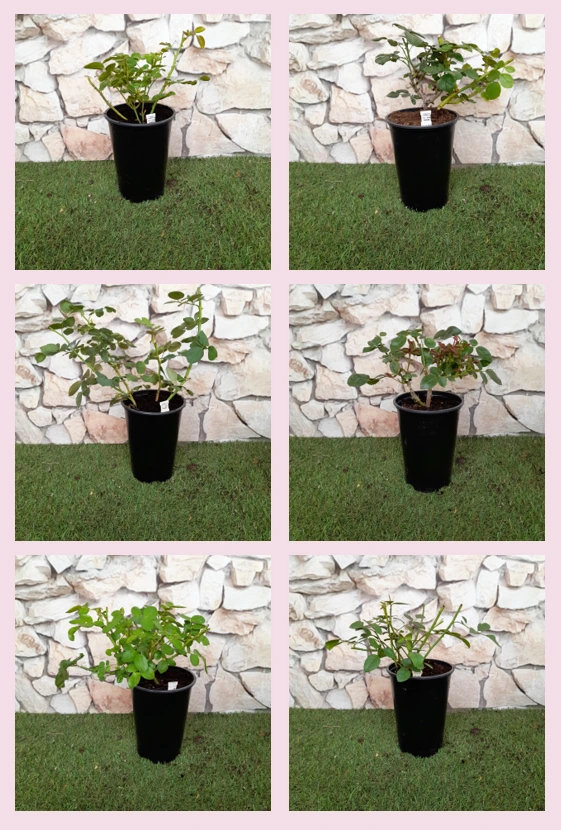
Compact, upright shrub 85–115 cm high and 65–95 cm wide, with moderately dense, mid-green, slightly glossy foliage and moderate prickliness, forming a balanced, medium-sized bush. |
| Flower morphology |
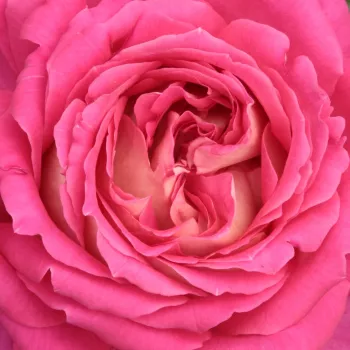
Very full, chalice to cup-shaped blooms with over 40 petals; solitary, medium-sized flowers (about 1.5–2.75 in) on stems well suited to cutting and repeated ornamental display. |
| Colour data and phenology |
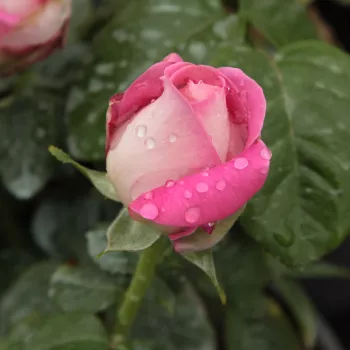
Two-tone pink and creamy-yellow bicolour; outer petals deep raspberry-pink (RHS 53A), inner creamy to peach (RHS 13B), softening to salmon-rose and cream as blooms mature and in stronger sun. |
| Fragrance and aroma |
Light, fresh character fragrance, noticeable at close range without dominating; designed more for visual impact and cutting value than for strong scent-driven planting schemes. |
| Hip characteristics |
Occasional egg-shaped hips, 8–12 mm diameter, red RHS 46A; generally incidental to the plant’s primary role as a flowering, remontant hybrid tea for borders and cutting use. |
| Resistance and winter hardiness |
Hardy to about −21 to −18 °C (RHS H7, USDA 6b, Swedish zone 3); moderate overall disease resistance, with good tolerance of black spot and powdery mildew, rust occasionally appearing. |
| Horticultural recommendations |
Best in sunny, well-drained soil with regular watering; medium maintenance, needs deadheading and some plant protection; plant 50–90 cm apart depending on use, 3.2–3.7 plants/m² for massing. |
TANGER™ – pink-yellow hybrid tea rose - Dot offers compact form, remontant cutting blooms and long-lived own-root resilience, making it a refined choice if you would like a dependable rose for a coastal-influenced garden.