TANLEDOLG – golden-yellow dwarf mini rose - Evers
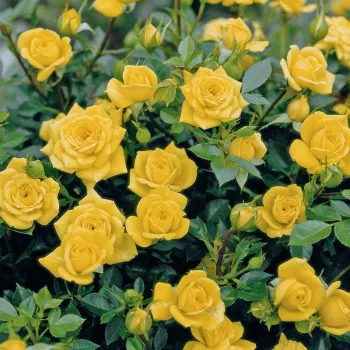
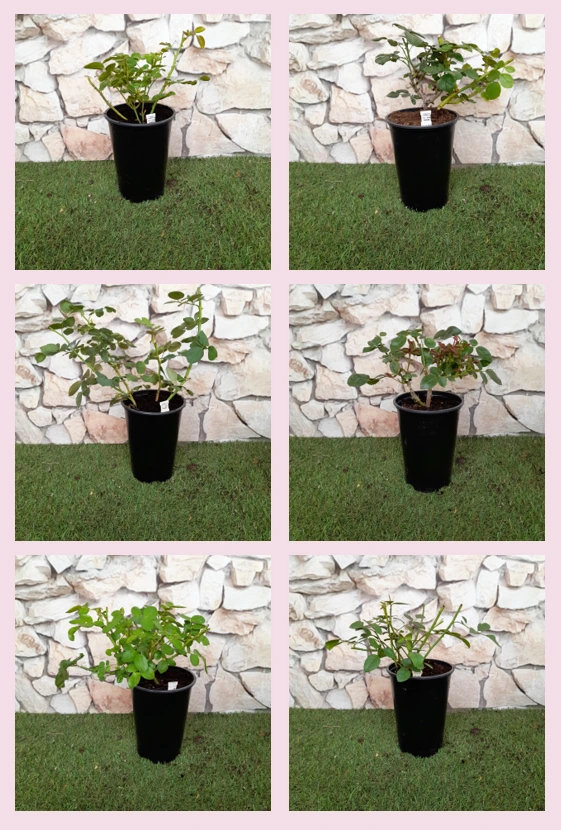
Imagine a coastal veranda where low, golden blooms form a cheerful windbreak around your seating, their compact habit and gentle height perfectly suited to breezy Cornish or Devon patios. TANLEDOLG brings an easy sense of seaside refreshment, thriving in containers or snug beds where you can enjoy its abundant, clustered flowering without demanding gardening chores. Its own-root origin supports a reassuringly long-lived lifespan and steady performance, giving you a reliable miniature feature that settles quickly and anchors well even where soils are shallow or coastal winds can be brisk. In a 40–50 litre pot it will develop strong roots in the first year, build bushy shoots in the second, and show its full ornamental value by the third, a quietly enduring companion for relaxed family gardens and small seaside spaces.
Usage options
| Target area |
Reasoning |
| Coastal veranda container (40–50 litre) |
Ideal for a sheltered Cornish or Devon veranda, this compact miniature is small enough for a 40–50 litre container yet sturdy enough to form a low visual buffer against brisk sea breezes. Regular watering keeps it comfortable near sun-warmed walls, while own-root vigour supports a long, stable life. A good match for beginners seeking reliable colour on a compact coastal terrace, especially busy-owners. |
| Small front garden bed by the path |
Its modest height and 30–40 cm spread make it easy to position along a front path without blocking the way, giving a neat golden edging that looks tidy even in smaller suburban plots. The structured, bushy framework is simple to maintain with an annual trim, and own-root growth helps it recover well after winter. Ideal for those wanting welcoming colour in limited space, particularly homeowners. |
| Rock garden or shingle strip |
The dwarf size and tight, bushy habit suit rock gardens, gravel mulches or shingle strips where you need low planting that will not sprawl. With thoughtful watering and good drainage, its root system knits into the soil, helping the plant stay stable in exposed, stony spots that echo a coastal feel. Well suited to decorative, low-level planting for hobby-gardeners. |
| Lifestyle terrace with café table |
Planted in a generous pot beside a small table, this miniature rose provides golden clusters at sitting height, supporting that relaxed “tea after the beach” mood without dominating the space. Its remontant flowering pattern offers repeat flushes through the season, so you can enjoy regular colour with only light deadheading and watering. A gentle, decorative choice for relaxed beginners. |
| Children’s corner in a family garden |
The low, compact bushes are easy for children to see and enjoy without towering over play areas, and the very weak, delicately sweet scent is unlikely to be overwhelming in close quarters. Own-root durability means the plant can better cope with the occasional knock or ball impact compared to more fragile grafted roses. Helpful for families wanting robust, cheerful colour around play-zones. |
| Border edging in a mixed coastal-style bed |
Used as a low edging in front of sea kale, ornamental grasses or small lavenders, its golden flowers create a dense ribbon of colour while the moderately dense, mid-green foliage frames the planting behind. In exposed gardens, the compact structure copes better with salt-laden breezes when the soil is prepared with drainage that helps manage heavier clay. A practical edging solution for style-conscious coast-lovers. |
| Balcony rail planter (deep trough) |
In a deep, well-drained trough it offers an elegant miniature rose experience for upper-storey balconies where floor space is tight but you still want a strong seasonal display. The medium maintenance level mainly involves watering, feeding and removing spent blooms, while its contained size stays proportionate to rail planters and does not swamp nearby seating. A refined choice for urban balcony-owners. |
| Long-term feature pot by the back door |
Placed in a stable, frost-resistant pot near the back door, this rose provides years of golden colour where you pass every day, with own-root resilience supporting a longer lifespan and more predictable regrowth after hard winters. Its medium disease resistance and modest size mean care stays straightforward, focused on seasonal feeding and light pruning. Particularly reassuring for time-pressed garden-novices. |
Styling ideas
- Harbour-Patio Duo – Pair a 40–50 litre TANLEDOLG container with blue-grey Festuca and a small bistro set to evoke a sheltered harbour terrace – for coastal-style lovers seeking an easy, compact focal point.
- Golden-Shingle Ribbon – Plant along a shingle or gravel strip with sea kale and low Sedum to create a textural, beach-inspired edge – for homeowners wanting low, structured colour near driveways.
- Balcony-Sun Nook – Position beside a folding chair in a deep balcony trough, underplanted with trailing thyme to soften the pot rim – for urban dwellers craving a small but long-lived rose companion.
- Family-Path Border – Line a narrow garden path with evenly spaced plants at 35 cm, backed by compact Lavandula, to form a child-friendly golden walkway – for families who prefer neat structure with minimal upkeep.
- Rock-Garden Jewel – Nestle TANLEDOLG among stones and dwarf grasses in a rock garden pocket to showcase its miniature scale and golden blooms – for hobby gardeners refining small, detailed planting scenes.
Technical cultivar profile
| Parameter |
Data |
| Name and registration |
Miniature rose; registered as TANledolg, traded as Tanledolg Mini - dwarf rose TANledolg, ARS exhibition name Goldjuwel; part of a mini / dwarf collection with golden-yellow flowers. |
| Origin and breeding |
Bred by Hans Jürgen Evers for Rosen Tantau, Germany; breeding completed 1991, registered 1991, introduced 1993; parentage unknown, selected for compact habit and rich yellow blooms. |
| Growth and structural characteristics |
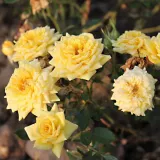
Compact, bushy dwarf shrub, around 35–45 cm high and 30–40 cm wide; moderately dense, mid-green, slightly glossy foliage; moderately thorny stems; weak self-cleaning so faded blooms often need removal. |
| Flower morphology |
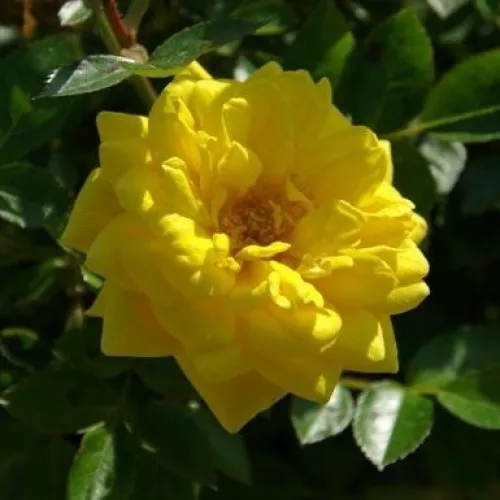
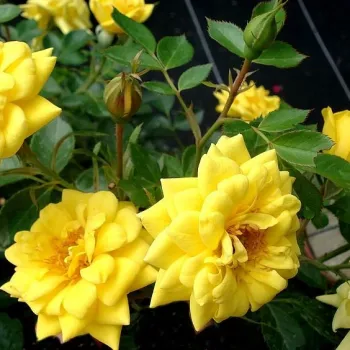
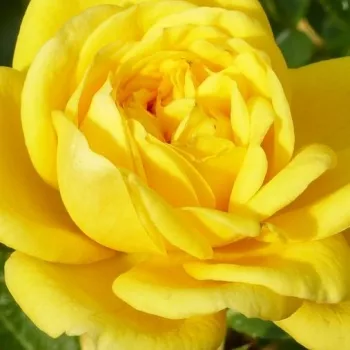
Small, cupped, double blooms (26–39 petals), borne in clusters; flower size typically 0.5–1.5 inches; remontant with abundant first flush and strong repeat, offering frequent decorative displays in season. |
| Colour data and phenology |
Rich golden-yellow petals (RHS 14A outer, 14B inner), dark buds lightening gently; colour holds well, then fades to creamy yellow with buttery-yellow edge as blooms age, retaining a warm, jewel-like effect. |
| Fragrance and aroma |
Very weak fragrance with a delicately sweet character; essentially a visual feature rather than a scent rose, making it suitable for close seating areas where strong perfume might be overwhelming for some users. |
| Hip characteristics |
Produces small quantities of spherical, 5–7 mm hips in orange-red tones; ornamental effect is modest and secondary to the flowering display, but hips can add a discreet seasonal accent in late season. |
| Resistance and winter hardiness |
Hardy to approximately -21 to -18 °C (RHS H7, USDA 6b, Swedish Zone 3); medium resistance to black spot, powdery mildew and rust; poor drought tolerance so requires regular watering, especially in heat. |
| Horticultural recommendations |
Suited to beds, borders, rock gardens, containers, terraces and balconies; prefers moist, well-drained soil and regular watering; works well in partial shade; spacing 25–55 cm depending on use and density. |
TANLEDOLG – golden-yellow dwarf mini rose - Evers offers compact long-season colour in small spaces, dependable own-root longevity and straightforward care, making it a thoughtful choice for relaxed, everyday gardens and coastal-style terraces.