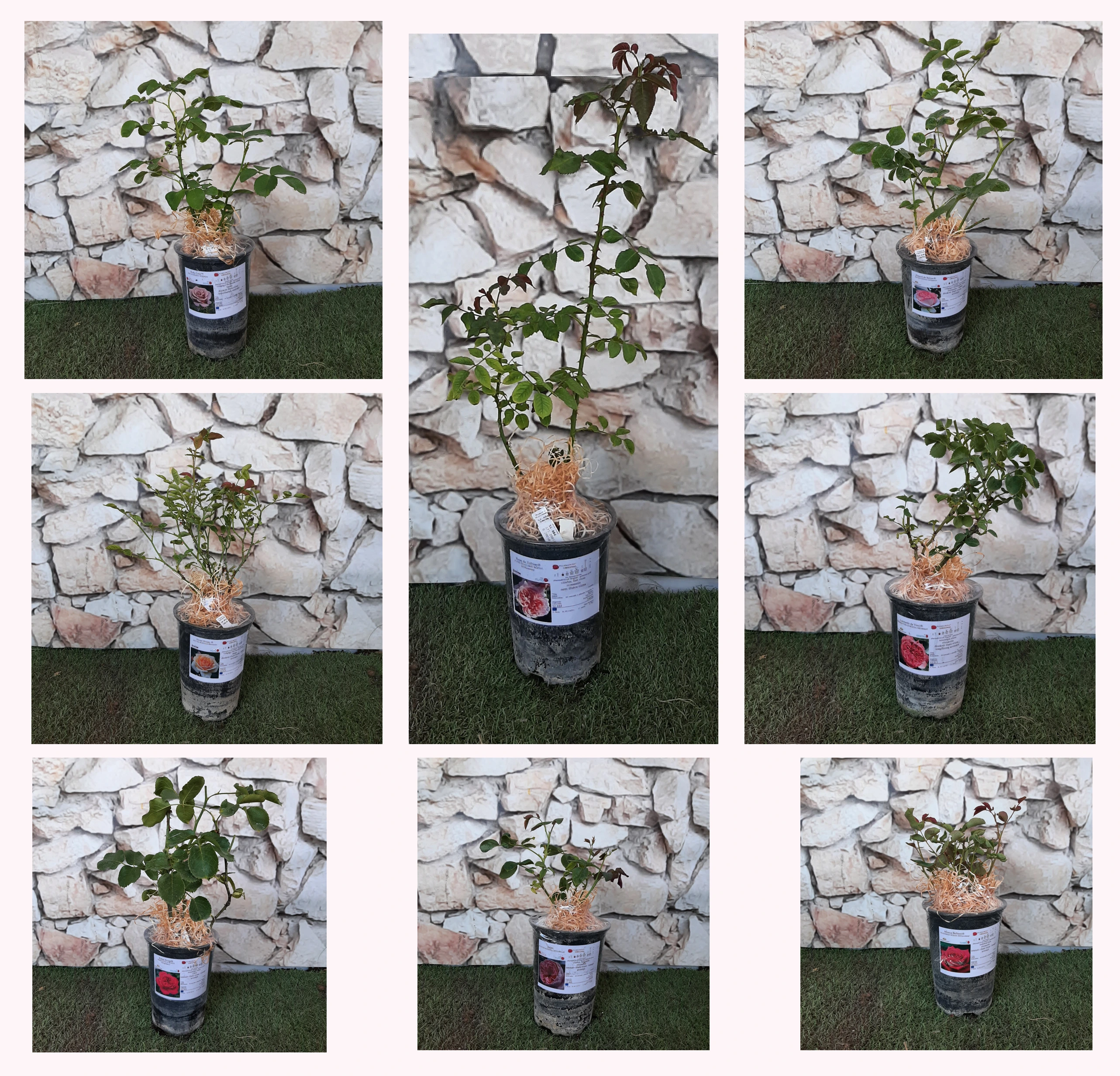
TERRACOTTA® – brick-red tea-hybrid rose - Simpson
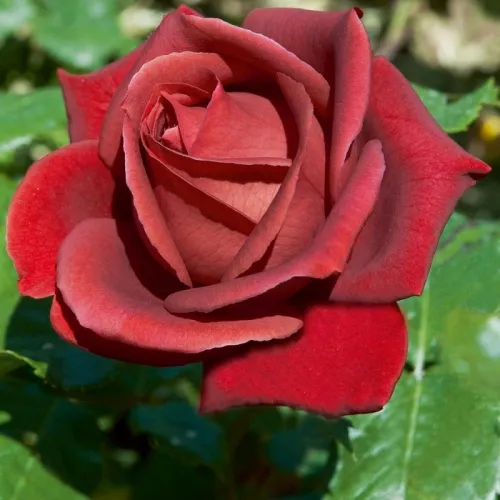
Imagine late afternoon coastal light catching the warm, brick-red blooms of TERRACOTTA®, while its upright, bushy habit shelters your seating area from breeze and salt-laden air, giving you a calm nook for tea after a day of collecting seashells. This hybrid tea delivers generous, repeat flowering through the season, with XL, exhibition-quality blooms that work wonderfully both in the border and as cut stems for the table. In a typical family garden it slots neatly into mixed planting, needing only moderate care and regular watering rather than specialist attention. As an own-root plant, it builds a reliable, long-lived framework with the classic Year 1 roots, Year 2 shoots, Year 3 full display rhythm. In larger containers from 40–50 litres upwards on a veranda or small terrace, its dense, dark green foliage and sparsely thorned canes keep maintenance low and handling straightforward for busy, style-conscious beginners.
Usage options
| Target area | Reasoning |
|---|
| Coastal veranda container (40–50 litre) |
An upright, bushy hybrid tea that copes well in a sheltered coastal spot where salt-laden breezes are filtered by planting, giving structure and colour without dominating a small space; ideal for low-fuss seasonal interest for busy homeowners. |
| Feature rose near seating area |
XL, brick-red, exhibition-quality blooms on solitary stems create a focal point by a bench or patio table, echoing the warmth of terracotta pots and paving while remaining easy to reach for deadheading; suited to those who enjoy cut stems but want minimal complexity, including relaxed hobby-gardeners. |
| Small mixed border in family garden |
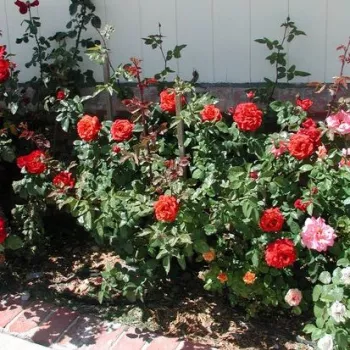
The compact height and 60–85 cm spread fit well into average suburban borders, offering repeat flowering from early summer onwards without overshadowing perennials; good where you prefer one reliable highlight rose among lower-maintenance companions, perfect for time-pressed families. |
| Cut-flower corner or picking bed |
Bred as an exhibition tea hybrid, it produces long, straight stems with double, cup-shaped blooms, giving you vase-worthy flowers at home without needing a full cutting garden; a sound choice for those who like arranging their own garden flowers, including creative beginners. |
| Specimen rose in gravel or shingle setting |
The warm brick-red tones and matte dark foliage stand out against pale shingle, reflecting a relaxed coastal aesthetic while needing only moderate care and regular watering; this suits gardeners who want structure and colour without intensive border work, especially design-led owners. |
| Clay soil beds with improved drainage |
In many UK gardens with heavier soils, planting into improved, free-draining pockets allows its upright, bushy framework to establish steadily and anchor well, so you gain long-term value once roots are settled; ideal for forward-planning, sustainability-minded gardeners. |
| Partially shaded patio edge |
Tolerant of partial shade, it still flowers reliably where the patio edge gets only part-day sun, bringing colour to spaces that might not suit fussier roses; this works well if you have buildings or fences casting shade but still want a classic rose presence, reassuring for cautious beginners. |
| Long-term own-root planting in family plot |
As an own-root rose it builds durability, regrowing from its own base if cut back hard and maintaining ornamental value over many seasons, so after initial establishment you mainly monitor watering and light pruning; well suited to long-horizon, low-maintenance-minded homeowners. |
Styling ideas
- Shingle-terrace trio – Set a large container of TERRACOTTA® into pale shingle with two pots of blue fescue to echo sea tones – for coastal-style lovers seeking a calm, structured sitting area.
- Sea-breeze border – Combine with soft Gypsophila paniculata and silvery foliage plants in a narrow bed by a veranda for airy contrast to the brick-red blooms – for beginners wanting impact in a small border.
- Warm-toned cutting strip – Plant a short row along a path, spacing plants for easy access to stems, and underplant with low, pale groundcover to spotlight each flower – for home florists who like simple, reliable cutting.
- Clay-garden anchor – In heavier soils, position as a focal bush with improved drainage and surround with drought-tolerant perennials that appreciate similar watering – for practical gardeners planning long-term structure.
- Veranda tea corner – Place one large pot by a sheltered chair, pairing with lavender in matching containers to fragrance the space while TERRACOTTA® provides colour – for busy urban owners wanting a quick, stylish retreat.
Technical cultivar profile
| Parameter | Data |
|---|
| Name and registration |
Hybrid Tea rose; registered as SIMchoca, marketed as Terracotta® Hybrid tea rose SIMchoca; ARS exhibition name Terracotta; brick-red exhibition tea hybrid for garden and cutting use. |
| Origin and breeding |
Bred by Nola M. Simpson, from the cross ‘Princesse’ × ‘Hot Chocolate’; introduced and first distributed by Meilland Richardier (France) in 2001; developed as an exhibition-standard hybrid tea rose. |
| Awards and recognition |
Recognised for quality cut blooms and garden performance, with Silver Star in New Zealand trials in 2001 and a Gold Medal at Durbanville in 2006, supporting its reputation among hybrid tea enthusiasts. |
| Growth and structural characteristics |
Upright, bushy shrub reaching about 90–125 cm in height and 60–85 cm in spread; dense, matte, dark green foliage on sparsely thorned stems; suitable for beds, hedged planting and larger containers. |
| Flower morphology |
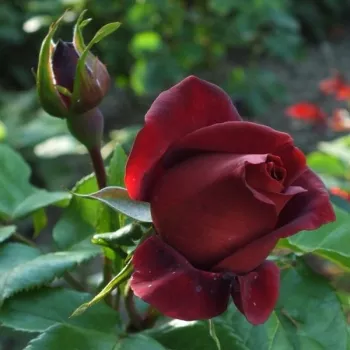
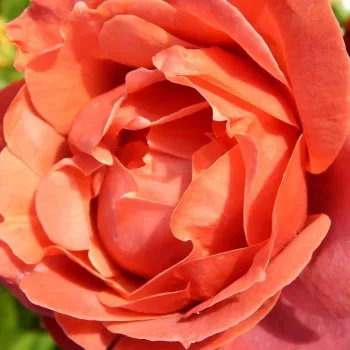
Large, double, cup-shaped blooms with 26–39 petals on mainly solitary stems; remontant with a good second flush; XL flowers ideal for cutting and exhibition-style displays when grown with regular care. |
| Colour data and phenology |
Warm brick-red with rust-brown and reddish ochre tones; colour lightens somewhat in strong sun and heat, deepening again in cooler weather; maintains season-long display with sequential flowering periods. |
| Fragrance and aroma |
Fragrance is very weak and barely noticeable, so it is chosen primarily for flower form and colour; double, button-centred blooms are mainly ornamental rather than strongly scented for sensory gardens. |
| Hip characteristics |
Rose hips form only occasionally due to the double flowers; where present they are small, ellipsoid, about 10–14 mm in diameter, and orange-red (RHS 32A i), adding a light autumn accent without seeding heavily. |
| Resistance and winter hardiness |
Hardy to around −21 to −18 °C (USDA 6b, RHS H7), with moderate resistance to black spot, powdery mildew and rust; prefers regular watering in warm conditions and does not tolerate prolonged drought stress. |
| Horticultural recommendations |
Best with full sun to partial shade, fertile, free-draining soil and regular moisture; plant 40–75 cm apart depending on use; suitable for beds, hedges, specimen roles and 40–50 litre or larger containers. |
TERRACOTTA® – brick-red tea-hybrid rose - Simpson offers exhibition-quality blooms, compact structure and long-term own-root reliability, making it a thoughtful, easy-care choice to consider for your coastal-inspired garden or veranda.