The Pilgrim – lemon-yellow English shrub rose for breezy coastal gardens
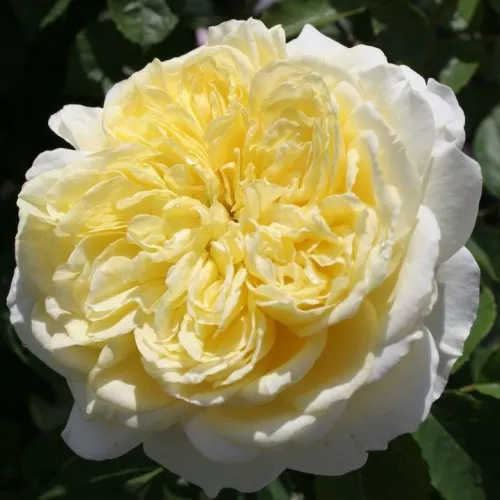
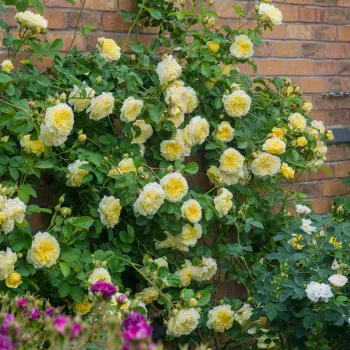
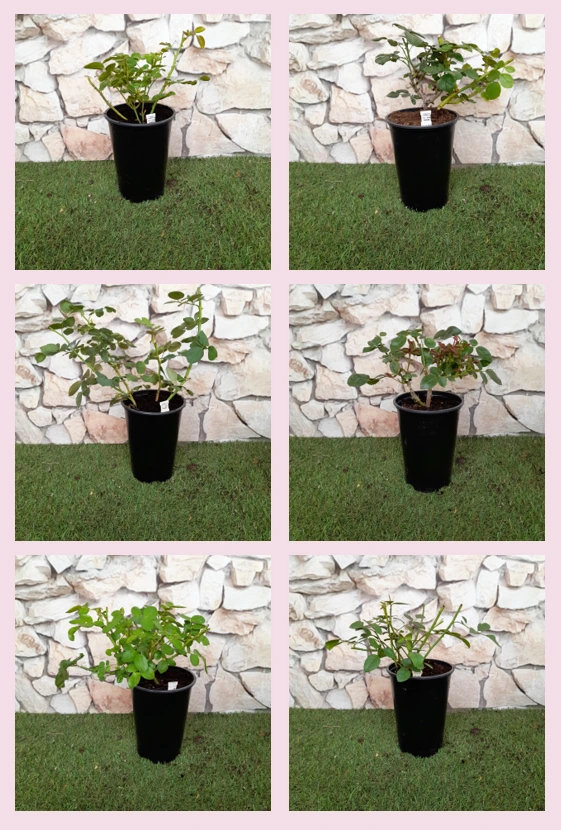
Imagine a sheltered corner on a bright coastal afternoon, a cup of tea in hand and a soft, lemon-yellow glow from your roses creating a calm, “after the beach” mood. ‘The Pilgrim’ is a romantic English shrub rose bred by David Austin, ideal for small to medium family gardens where you want graceful structure without fussy upkeep. Its bushy, well-branched habit and dense, glossy foliage help it stay steady in coastal conditions, offering reassuring anchoring even when Atlantic gusts sweep across the garden. In our 2‑litre own-root form, this rose settles in gradually, with roots establishing in year one, top growth filling out in year two, and full ornamental value by year three for a long-lived investment. Remontant flowering means soft yellow rosettes appear repeatedly through the season, combining a quietly romantic ambience with a strong, lasting fragrance that suits relaxed seaside verandas. It is equally at home in large containers or borders, offering manageable maintenance and flexible placement so you can enjoy refined English character without complex gardening routines.
Usage options
| Target area |
Reasoning |
| Small coastal front gardens |
The Pilgrim’s bushy, compact shrub form and dense foliage give reliable structure without overpowering a modest plot, while its soft yellow blooms harmonise with shingle, pebbles and sea-grasses for a quietly romantic entrance, perfect for beginners. |
| Wind-kissed veranda planters |
In a 40–50 litre container this rose builds a stable root system and rounded crown, offering a living windbreak and repeated flushes of scented flowers where you sit with tea after a beach walk, ideal for coastal-style lovers. |
| Relaxed family flowerbeds |
The rounded 1–1.5 m growth habit slots easily into mixed borders, giving children and adults alike a long season of soft lemon-yellow rosettes without the need for intricate pruning, suiting busy homeowners. |
| Low, informal boundary hedge |
Planted at hedge spacing, its even height and branching create a gentle “green and yellow” screen that frames the garden without feeling severe, combining ornamental charm with practical enclosure for hobby-gardeners. |
| Feature rose on a small pergola |
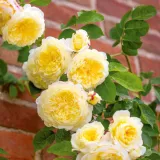
With its medium height and flexible, bushy stems, The Pilgrim can be guided onto a compact arch or pergola, giving scented overhead colour that softens outdoor seating areas and pathways for romantic-garden fans. |
| Clay-soil coastal plots |
Once drainage is improved, its strong, own-root system and bushy canopy cope well with exposed, damp locations by the sea, helping the plant stay stable and attractive even when gales and showers sweep through for coastal-garden owners. |
| Semi-shaded seating corners |
Suited to partial shade, The Pilgrim still flowers generously beside north-east or north-west facing walls, brightening cool corners where you might pause after gardening or beach trips, appealing to time-poor urbanites. |
| Cut flowers from the family garden |
The very full, rosette blooms and strong scent make elegant indoor arrangements; cutting a few stems encourages fresh growth and repeat flowering, giving you vases of English character straight from the garden for home-entertainers. |
Styling ideas
- Seaside Veranda Calm – Pair The Pilgrim in a 50 litre container with blue Festuca and sea kale on a sunny veranda for a soft coastal palette – ideal for coastal-style lovers.
- Cornish Shingle Drift – Plant in a gravel bed with Carex ‘Blue Zinger’ and low sea thrift to echo dune vegetation – perfect for casual, low-fuss front gardens.
- Romantic Tea Corner – Use as a scented backdrop near a small bistro set, underplanted with lavender and dwarf iris – suited to those who savour quiet afternoon tea outdoors.
- Soft-Yellow Hedge Line – Create a loose boundary by repeating plants along a path, interwoven with ornamental grasses – good for families wanting gentle screening, not hard fencing.
- Cottage-Style Feature Pot – Grow one specimen in a large terracotta tub with trailing thyme around the base – attractive for beginners who want high impact from a single rose.
Technical cultivar profile
| Parameter |
Data |
| Name and registration |
Modern shrub English Rose from the English Rose Collection; registered as AUSwalker, marketed as The Pilgrim and Auswalker English Rose; ARS exhibition name: The Pilgrim. |
| Origin and breeding |
Bred by David C. H. Austin in the United Kingdom from ‘Graham Thomas’ × ‘Yellow Button’; introduced by David Austin Roses Ltd. in 1991 for garden and landscape use. |
| Awards and recognition |
Holds the Royal Horticultural Society Award of Garden Merit and several American Rose Society first prizes as a Modern Shrub Rose between 1999 and 2001. |
| Growth and structural characteristics |
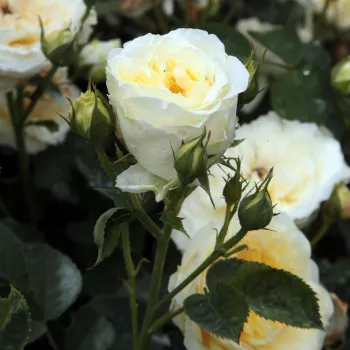
Bushy, rounded shrub reaching about 100–150 cm in height and spread, with dense mid-green glossy foliage and moderate prickles; branches form a full, well-furnished framework. |
| Flower morphology |
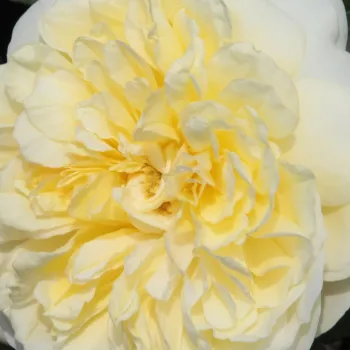
Very full, rosette-shaped blooms with more than 40 petals, medium-sized at roughly 4–7 cm across, typically borne solitary on stems, and repeating in abundant flushes through the season. |
| Colour data and phenology |
Soft lemon-yellow flowers; buds vivid golden yellow, inner petals RHS 9B, outer 8C, fading towards cream-white at the edges as blooms age, maintaining a gentle, pastel overall impression. |
| Fragrance and aroma |
Strong, long-lasting scent characteristic of English shrub roses; precise note description not recorded, but bred as a fragrant garden rose for seating areas, entrances and cutting for indoor enjoyment. |
| Hip characteristics |
Hip set is generally sparse due to the very double blooms; when present, hips are small, about 8–12 mm, spherical and red, offering modest late-season interest without significant self-seeding. |
| Resistance and winter hardiness |
Hardy to approximately −26 to −23 °C (RHS H7, USDA 5b, Swedish zone 4); resistant to powdery mildew, with medium tolerance of black spot and rust, requiring monitoring in damp seasons. |
| Horticultural recommendations |
Use as specimen, in mixed flowerbeds, along fences or small pergolas, and for cutting; medium care level with occasional protection, regular watering in drought, and deadheading to maximise rebloom. |
The Pilgrim (AUSwalker) offers romantic lemon-yellow blooms, generous repeat flowering and stable, long-term performance from its own-root form, making it a thoughtful choice for relaxed coastal or family gardens.