TIFFANY – pink tea-hybrid rose - Lindquist
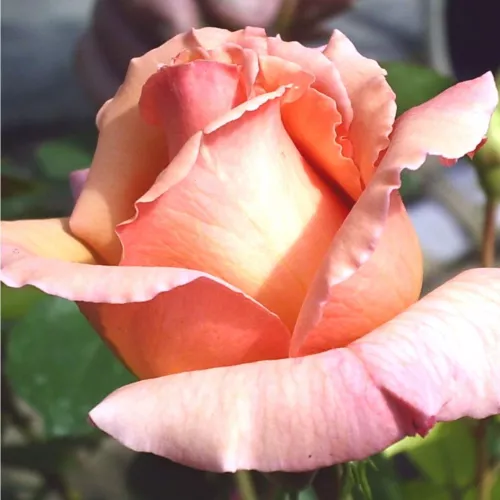
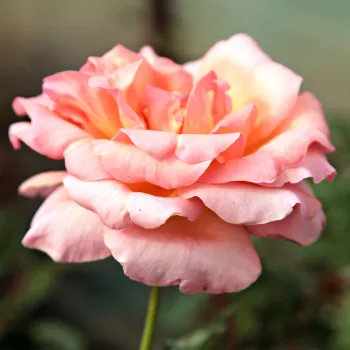
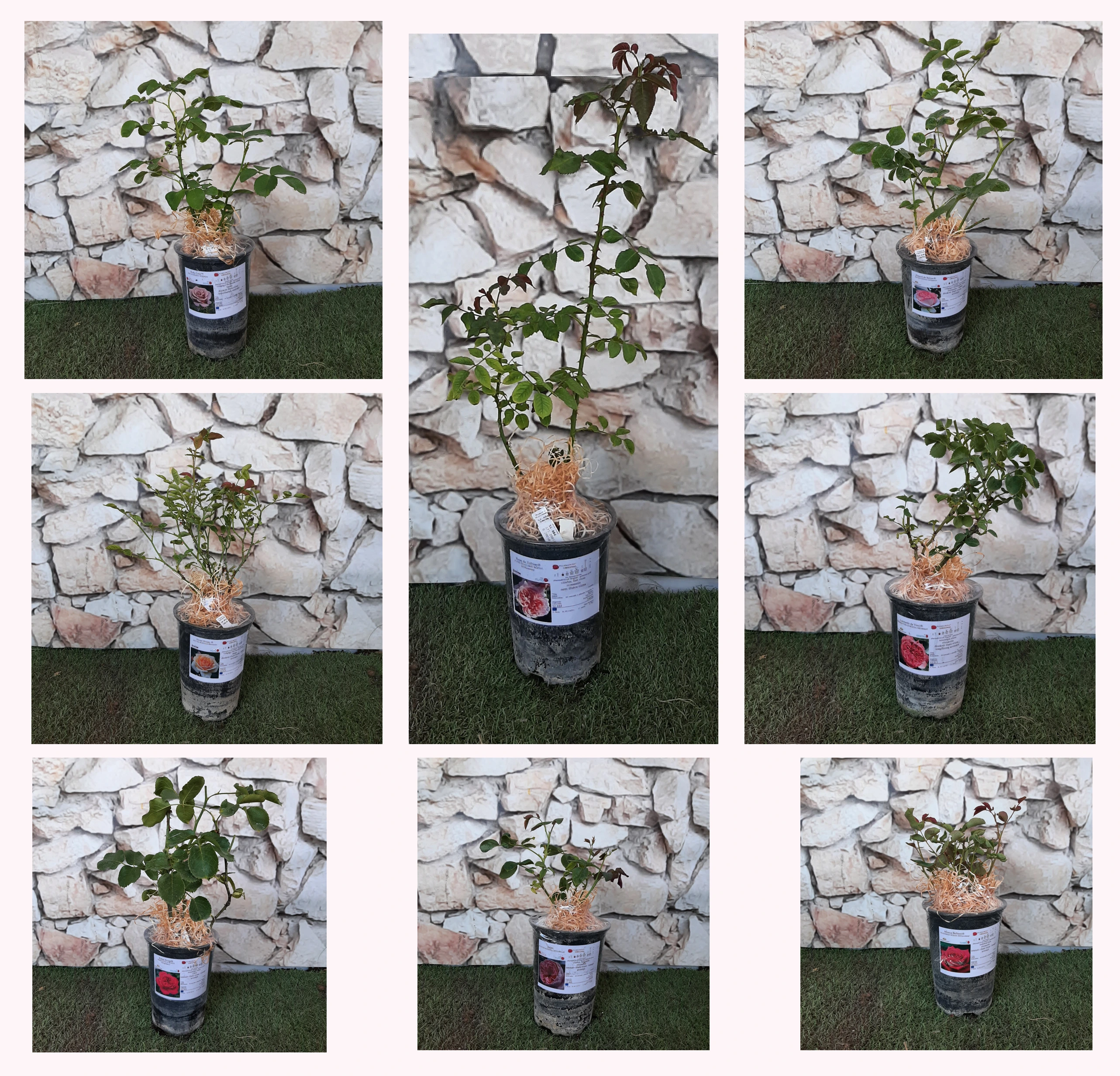
With its refined, salmon-pink blooms and rich, fruity perfume, Tiffany brings a sense of coastal refreshment to compact UK gardens and verandas, thriving in breezy sites where it offers reassuring stability in blustery, salt-tinged weather and unsettled seasons. This hybrid tea rose flowers generously in repeated flushes for months, providing elegant, high-centred blooms that are ideal for cutting as well as relaxing with a mug of tea in a sheltered corner after a day collecting shells on the shoreline. In our handy 2‑litre own‑root form, Tiffany establishes steadily and can regenerate from the base, supporting a genuinely long garden lifespan with less fuss over time. Allow it to build a strong root system in the first year, grow bolder shoots in the second, and then show its full ornamental impact by the third, giving you reliable colour and scent with straightforward seasonal care. Choose a sunny spot with decent drainage, or a large 40–50 litre container on the veranda, and enjoy a classic, award‑winning bloom that suits busy, style‑conscious coastal gardeners.
Usage options
| Target area |
Reasoning |
| Sunny coastal veranda in a large pot |
Ideal for a sheltered, seaside-style seating area where you want strong fragrance and elegant blooms close by; in a 40–50 litre container it anchors well and copes reassuringly with breezy, salt‑tinged conditions – perfect for the relaxed coastal veranda beginner. |
| Feature rose near patio or terrace |
The upright habit and repeat-flowering high-centred blooms make Tiffany a natural focal point beside a terrace, where you can enjoy its award-winning fragrance on summer evenings with only moderate pruning and deadheading – well suited to busy but style-aware homeowners. |
| Small front garden specimen |
In limited space, a single plant delivers months of colour and scent without overwhelming nearby paths or windows, providing classic structure that remains attractive through the season and integrates easily into existing planting – ideal for compact urban gardens. |
| Mixed flowerbed with perennials |
Combines beautifully with soft grasses and perennials, its salmon-pink tones weaving through neighbouring plants while its repeated flushes keep the bed lively from early summer into autumn with only moderate care – appealing to low-fuss border enthusiasts. |
| Cutting corner for home arrangements |
Hybrid tea form and medium-sized, long-stemmed blooms are excellent for cutting, so one or two plants can keep vases filled over the season, giving reliable stems without specialist skills, simply from regular feeding and watering – rewarding for casual home florists. |
| Coastal-style shingle or gravel bed |
Suited to sunny, free-draining shingle beds, where its strong scent and soft pink-apricot flowers echo a beachside palette while its own-root vigour supports long-term performance with routine care and occasional mulching – a good option for laid-back coastal stylists. |
| Sheltered family seating nook |
Planted near a bench or windbreak, Tiffany’s powerful fragrance and repeat flowering create a calm, scented backdrop for everyday family use, with simple seasonal pruning and deadheading all that is typically required – ideal for time-pressed family gardeners. |
| Low rose row along a path |
Planted at recommended spacing, it forms an elegant, moderately tall row guiding you along paths, offering colour and perfume for much of the season while its own-root stamina helps maintain a consistent display over years – attractive to long-term planning owners. |
Styling ideas
- Harbour-Haven – Set Tiffany in a 50 litre tub by a white-painted balustrade with blue cushions and a small bistro table – for veranda owners who want a soft, seaside tea-corner feel.
- Shell-Shimmer – Combine in a gravel bed with silver grasses like Festuca and pale stones to echo sunlit shingle – for gardeners seeking a bright yet low-fuss coastal look.
- Tea-Nook – Plant beside a wooden bench with lavender edging so fragrance layers around a sheltered sitting area – for families who relax outdoors after busy days.
- Pink-Perfume – Use three plants as a loose row along a path, underplanting with soft groundcovers to frame the repeated flushes – for homeowners wanting structure without formality.
- Cutting-Corner – Dedicate a small bed with Tiffany and a few complementary perennials for a steady supply of vase-ready stems – for hobby florists who enjoy arranging home-grown blooms.
Technical cultivar profile
| Property |
Data |
| Name and registration |
Hybrid tea rose Tiffany; registered cultivar name and exhibition name Tiffany; commercial type hybrid tea rose used as garden and cut flower. |
| Origin and breeding |
Bred by Robert V. Lindquist in the United States, introduced 1954 by Howard Rose Company; parentage ‘Charlotte Armstrong’ × ‘Girona’, unregistered but widely established in gardens. |
| Awards and recognition |
Winner of the Portland Gold Medal (1954), AARS Award (1955), ARS David Fuerstenberg Prize (1957) and James Alexander Gamble Fragrance Medal (1962) for outstanding scent. |
| Growth and structural characteristics |
Upright bush reaching 90–130 cm high and 60–100 cm wide, with moderately dense, slightly glossy dark green foliage and moderate prickliness; blooms require deadheading to stay neat. |
| Flower morphology |
Double, high-centred hybrid tea blooms with 26–39 petals, mainly solitary on stems; medium flower size around 4–7 cm, remontant habit with a notably abundant second flush. |
| Colour data and phenology |
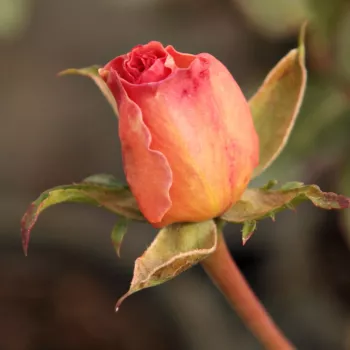
Soft salmon-pink with warm apricot effect; buds peach with rosy flush, opening to orange-peach centres fading toward peach-cream and powder pink, edges paling to ivory in strong sun. |
| Fragrance and aroma |
Very strong, rich fruity scent noticeable from a distance; globular, very double flowers limit access to stamens, so ornamental value outweighs pollinator interest in most situations. |
| Hip characteristics |
Occasionally forms small, spherical red hips around 10–14 mm across, adding discreet late-season interest but not usually a dominant ornamental feature on the plant. |
| Resistance and winter hardiness |
Hardy to about −15 to −12 °C (RHS H6, USDA 7b); tolerates heat well with watering in dry spells; good mildew resistance, moderate black spot and rust, needs spring frost protection. |
| Horticultural recommendations |
Best in sunny, sheltered spots with well-drained soil; medium maintenance with seasonal pruning, feeding and deadheading; plant 50–90 cm apart depending on hedge, mass or specimen use. |
Tiffany offers powerful fragrance, repeat flowering and long-term stability in a practical own-root form, making it a refined yet manageable choice for UK gardens; consider it if you value enduring scent and classic hybrid tea elegance.