TISA™ – yellow bedding shrub rose – Tanjga
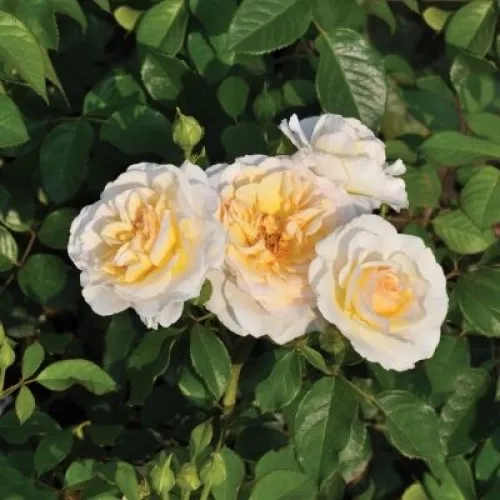
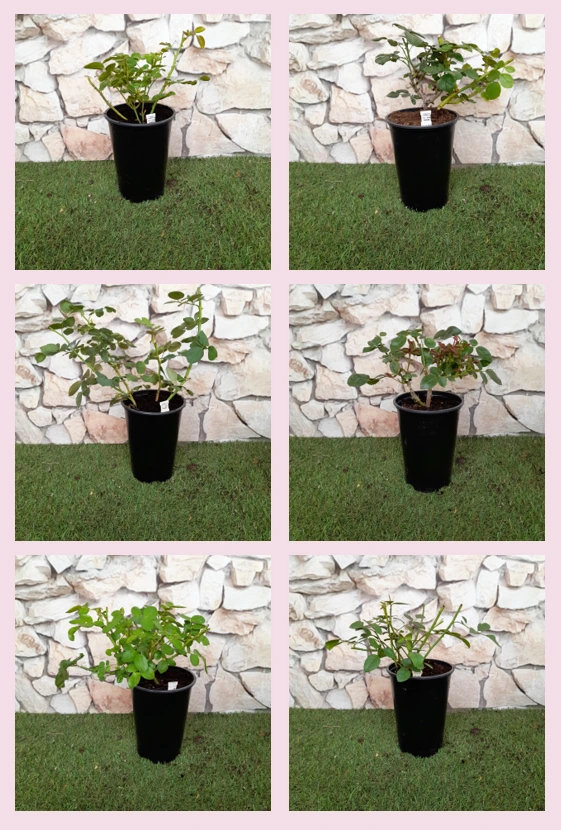
Imagine a sheltered coastal veranda where creamy pastel blossoms glow against dark green foliage, creating a soft screen that gently tempers brisk sea breezes and manages moisture in challenging, wind‑exposed British gardens. TISA™ settles in quickly as a compact, low shrub, its clusters of double flowers repeating through the season so you can enjoy colour from late spring into autumn with little need for complicated care. As an own‑root rose it is naturally stable, building a long‑lived framework that regenerates well after pruning or weather damage and keeps its impact year after year without re‑grafting worries. In the first season it concentrates on roots, the second brings stronger shoots, and by the third it reaches its full ornamental value as a reliable, easy shrub for family spaces where relaxation truly matters.
Usage options
| Target area | Reasoning |
|---|
| Small coastal family garden bed |
Its compact 40–60 cm habit fits neatly into modest front or back gardens, giving soft pastel yellow colour without overwhelming the space; the rounded shape reads well even in winter for beginners |
| Coastal wind-filter hedge or edging |
Planted 35–45 cm apart, TISA™ forms a low, dense line that visually softens strong breezes and subtly shelters seating or play areas, ideal where wind and salt spray regularly shape everyday gardening for coastal-owners |
| Large container on veranda or balcony |
In a 40–50 litre pot with good drainage, the shallow but branching root system anchors well, giving a long-lived feature rose that can be repositioned seasonally to suit sun, shade and outdoor living rhythms for urban-gardeners |
| Low-maintenance flowerbed focal point |
The dense, glossy foliage and repeated flushes of creamy yellow blooms provide a tidy, designed look with only moderate pruning and occasional plant protection, fitting busy households that still value visual harmony for time-poor |
| Mixed planting with sea kale and ornamental grasses |
Its modern shrub form and soft colour pair beautifully with sea kale, Festuca and Lavandula, creating a seaside palette that sits naturally in shingle or gravel schemes reminiscent of Cornish or Devon coastal paths for style-seekers |
| Informal park-style corner in a family garden |
Use several plants at the recommended densities to echo public-park borders on a domestic scale; the consistent height and medium disease resistance help retain a cared-for look between routine weekend maintenance for home-owners |
| Year-round structural planting near seating |
The compact, evenly branched framework and dark evergreen-look foliage give structure outside the flowering season, while the soft, double blooms add a gentle romantic touch for teatime or evening relaxation outdoors for romantics |
| Own-root rose for long-term planting plans |
Being on its own roots, TISA™ builds resilience over time, recovering more readily from hard pruning and weather stress and supporting that natural Year 1 roots, Year 2 shoots, Year 3 full display rhythm for planners |
Styling ideas
- Seaside Veranda Nook – Group TISA™ in large tubs with sea kale and blue Festuca on a sheltered deck for a soft, salty-breeze feel – ideal for coastal veranda owners
- Pastel Front Border – Line a path with TISA™ and pale lavender for a welcoming, low hedge that stays neat and compact – suited to busy family households
- Shingle Courtyard Bed – Plant TISA™ through light gravel with low grasses for a modern, low‑maintenance coastal look – perfect for small urban gardens
- Park-Style Ribbon – Use repeating drifts of TISA™ along a fence to echo public park planting while staying family‑friendly in scale – appealing to design-conscious homeowners
- Tea-Corner Companion – Place TISA™ beside a bistro set, backed with Ilex crenata, to frame a calm spot for afternoon tea outdoors – attractive to relaxation-focused gardeners
Technical cultivar profile
| Parameter | Data |
|---|
| Name and registration |
Modern shrub rose, registered as BOZreka025, marketed as Tisa™ Abundant Reka®; a compact flowerbed shrub rose within the Abundant Reka® collection for versatile garden and container use. |
| Origin and breeding |
Bred by Biljana Božanić Tanjga for PhenoGeno Roses and introduced in 2019 via PhenoGeno Roses (Netherlands); parentage is unpublished, selected for compact habit and consistent garden performance. |
| Growth and structural characteristics |
Compact, evenly branched shrub 40–60 cm high and wide with dense, dark green, glossy foliage and moderate prickliness; forms a rounded outline that reads well in mixed borders or as edging. |
| Flower morphology |
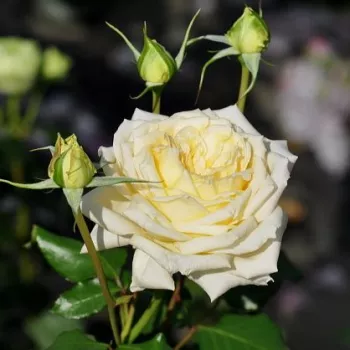
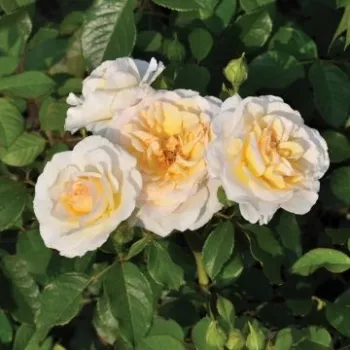
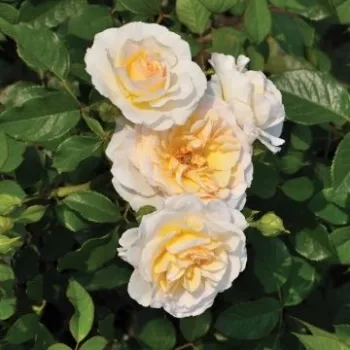
Medium-sized, double, cup-shaped blooms, 26–39 petals, borne in clusters; remontant, with a particularly abundant second flush, ideal for maintaining seasonal colour in beds and containers. |
| Colour data and phenology |
Soft pastel yellow buds (RHS 4C–4D) open to creamy pale yellow with whitening petal edges; colour lightens gradually, often approaching near-white outer petals toward the end of each bloom’s life. |
| Fragrance and aroma |
Primarily ornamental, with very weak, barely perceptible scent; double flower form partly covers stamens, limiting pollinator access, so it serves best as a visual feature rather than a wildlife planting. |
| Hip characteristics |
Occasional small spherical hips, 6–10 mm in diameter, orange-red when ripe; decorative but not strongly featured, adding a subtle seasonal accent if spent flowers are not removed after autumn flushes. |
| Resistance and winter hardiness |
Medium resistance to black spot, powdery mildew and rust; benefits from standard preventative care. Hardy to around −23 to −21 °C (RHS H7, USDA 6a, Swedish Zone 3), suiting most UK garden conditions. |
| Horticultural recommendations |
Best at 35–70 cm spacing depending on use; suits beds, hedging, urban spaces and large containers with 40–50 litre volume and good drainage, with moderate feeding and routine pruning to renew flowering wood. |
Tisa™ Abundant Reka® offers compact, repeat-flowering creamy yellow clusters and dependable structure in an own-root form that matures into a resilient, easy shrub, making it a thoughtful choice for relaxed coastal and family gardens.