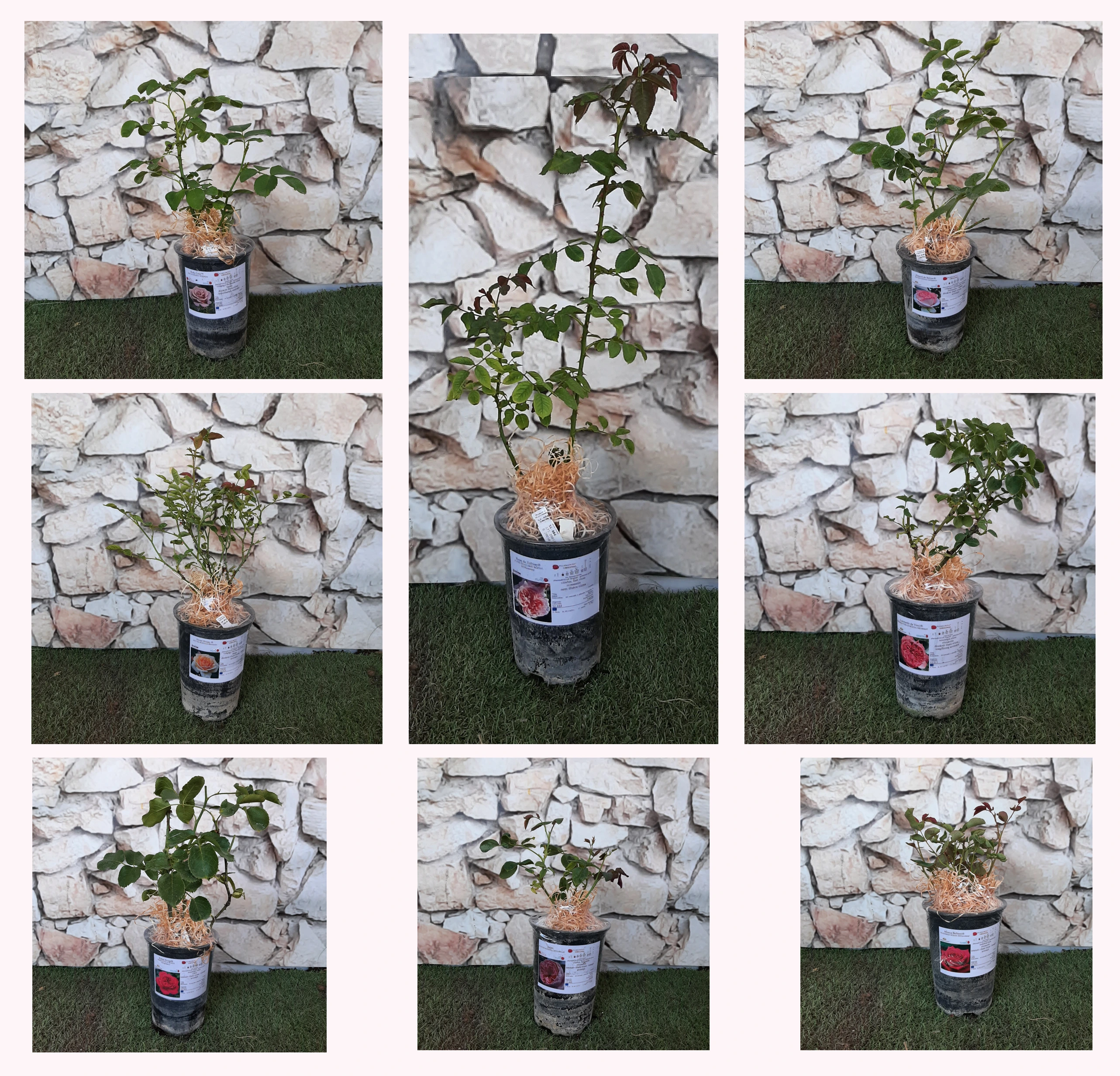
TROMPETER VON SÄCKINGEN – carmine-red historic old garden rose - Geschwind
Let the romantic charm of ‘Trompeter von Säckingen’ bring a sense of coastal refreshment to your garden, whether you are softening a boundary or creating a sheltered nook for tea after a windswept walk. This historical rambler forms graceful, arching canes that soon weave into a living windbreak, naturally anchoring themselves and coping well where gardens must manage strong breezes and careful drainage. Once established, its vigorous, reliable growth builds a stable framework that will serve your family for many years, while the own-root form supports steady regeneration and long-term stability with fewer worries about harsh winters. In early summer, clusters of vivid carmine-red blooms flush the plant in a single, spectacular show, then give way to orange-red hips that extend the season’s interest. Plant in the ground or in a large 40–50 litre container, and enjoy how this medium-maintenance, heritage rose gradually moves from strong roots to confident shoots and, by its third year, a fully developed ornamental presence.
Usage options
| Target area |
Reasoning |
| Family garden windbreak beside a coastal veranda |
The strong, climbing habit and dense, dark foliage allow this rose to build a living screen that filters wind and salt spray, giving you a more comfortable, sunny seating spot on exposed sites in Devon or Cornwall – ideal for the coastal-style beginner. |
| Statement feature on an arbour or pergola |
Its tall, arching canes readily cover an arbour or pergola, delivering a once-a-year cascade of carmine-red summer flowers that turns a simple structure into a dramatic gateway or outdoor room – perfect for the romance-loving homeowner. |
| Low-maintenance boundary or fence covering |
The reliable, medium-maintenance growth quickly clothes fences and unsightly boundaries, forming a long-lived, woody framework that needs only occasional pruning and basic plant protection in most UK family gardens – suited to the busy garden owner. |
| Large container or half-barrel on a sheltered terrace |
Planted in a 40–50 litre container with good drainage, this own-root rose settles in steadily, offering height and privacy without demanding complex care, particularly when combined with drought-tolerant grasses – attractive for the small-space gardener. |
| Historical or period-style planting scheme |
As a genuine heritage rose bred in the late 19th century, it supports authentic period schemes and traditional cottages, bringing a sense of story and continuity that matures gracefully over many years – appealing to the history-minded collector. |
| Wildlife-friendly corner with hips for autumn interest |
After flowering, its orange-red hips provide a gentle late-season highlight and extra food value, adding texture and supporting garden biodiversity without extra work beyond routine pruning – a thoughtful choice for the nature-conscious family. |
| Biodiverse mixed planting along a garden path |
The once-flowering, clustered blooms create a concentrated early-summer display, while the plant’s structure and hips offer shelter and interest for the rest of the year, contributing to a varied, resilient planting – reassuring for the low-fuss gardener. |
| Robust framework rose for long-term garden structure |
With vigorous, upright, sparsely thorned canes and own-root resilience, this rose develops from strong roots in year one to fuller shoots in year two and a settled, structural presence by year three – a sound investment for the forward-planning owner. |
Styling ideas
- Seaside Veranda Screen – Train it along a rail or light pergola beside shingle, underplanted with sea kale and blue Festuca to echo coastal tones – ideal for coastal-style lovers who want shelter with minimal fuss.
- Romantic Arbour Walk – Arch two plants over a path and edge with scented cranesbill for a soft, cottage feel during its peak summer flush – perfect for homeowners dreaming of a storybook entrance.
- Period Courtyard Accent – Grow in a 50 litre half-barrel with lavender at the base, letting the historic rose frame a bench or doorway – suited to beginners seeking classic character in compact spaces.
- Wildlife Hedge Corner – Mix into a loose hedge with native shrubs, allowing its hips to shine in autumn and support birds – a good fit for families building a child-friendly, biodiversity-rich garden.
- Calm Reading Nook – Use it as a tall backdrop behind a seat, softened with clematis weaving through the canes for layered bloom – appealing to busy urban gardeners wanting a restful retreat.
Technical cultivar profile
| Property |
Data |
| Name and registration |
Trompeter von Säckingen is a historical Hybrid Multiflora shrub and rambler, marketed as a heritage rose; it is an old garden rose type with no separate registered cultivar name. |
| Origin and breeding |
Bred by Rudolf Geschwind in Austria around 1890 and introduced commercially in 1929, this cultivar represents Central European heritage breeding; parentage and original distributing nursery are not recorded. |
| Growth and structural characteristics |
Strong, climbing, rambler-type growth with upright, arching canes reaching 210–350 cm in height and 150–250 cm in spread; foliage is moderately dense, matt, dark green with relatively sparse prickles. |
| Flower morphology |
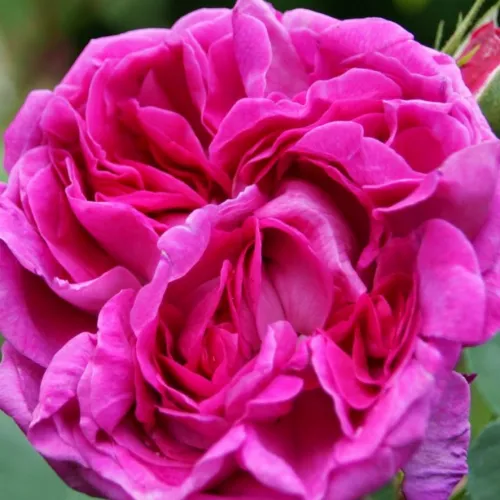
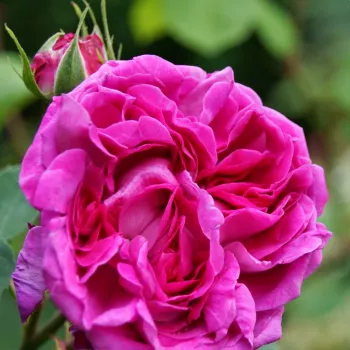
Produces medium-sized, flat, very full flowers with more than 40 petals in clustered inflorescences; it is a once-flowering, non-remontant variety, offering a concentrated early-summer display rather than repeat blooms. |
| Colour data and phenology |
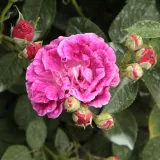
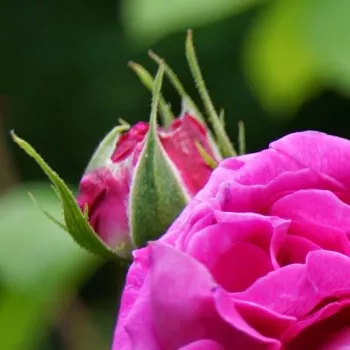
Flowers open bright carmine red, then gradually fade through crimson to violet-lilac and violet-purple; colour intensity is high but retention is modest, creating a dynamic, changing effect over the bloom period. |
| Fragrance and aroma |
Fragrance is very faint and only barely perceptible, with a delicate, traditional rose-like character; best appreciated at close range, it supports the visual impact without dominating nearby seating areas. |
| Hip characteristics |
Forms small, spherical orange-red hips, approximately 5–9 mm in diameter, produced in moderate quantities; these extend ornamental interest into autumn and may provide some seasonal value for wildlife. |
| Resistance and winter hardiness |
Rated to approximately -29 to -26 °C (RHS H7, USDA 5a, Swedish zone 4); disease resistance is medium to powdery mildew, black spot and rust, requiring standard preventative care in humid or high-pressure areas. |
| Horticultural recommendations |
Suited for parks, pergolas, arbours, specimen use and fences; spacing from 120–220 cm depending on role, allowing sufficient air movement; maintenance is medium, with occasional plant protection and structural pruning recommended. |
Trompeter von Säckingen offers vigorous, long-lived structure, a spectacular early-summer display and attractive hips, all in a resilient own-root form that rewards steady planting care; an excellent candidate for your next heritage feature rose.