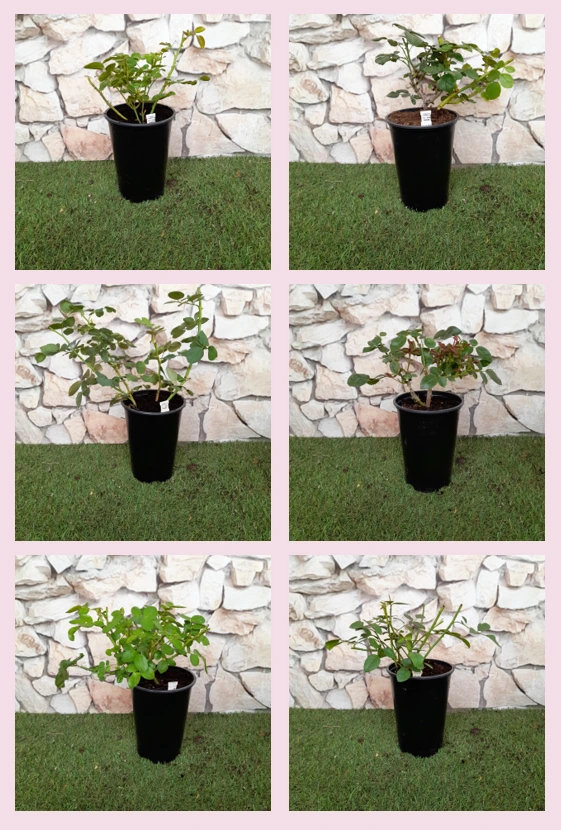
THUNDERSTRUCK – orange-yellow climbing rose (climber) - Orard
Imagine stepping onto a sheltered coastal veranda and seeing Thunderstruck weaving ribbons of colour along a fence, its glossy foliage forming a natural wind‑softening screen that copes calmly with blustery, salt‑tinged days and changeable weather. This medium‑maintenance climbing rose offers impact without demanding complex care, rewarding regular watering and the odd tidy‑up with a long season of striped blooms. In its first year the roots establish, the second brings confident new shoots, and the third reveals full ornamental value that will anchor your planting for seasons to come. Its moderate self‑cleaning habit makes deadheading manageable, while own‑root resilience supports a reassuringly long garden life in everyday family conditions. Use it to frame a sunny veranda view, train it along a pergola for dappled shade, or let it climb a trellis behind gravel and sea kale for a softly “girly” coastal mood. Whether you garden on heavy clay or lighter loam, thoughtful drainage and a 40–50 litre container or open soil position will help this rose settle in and deliver lasting flair beside your favourite spot for tea after a day of collecting seashells.
Usage options
| Target area | Reasoning |
|---|
| Coastal veranda windbreak |
The dense, glossy foliage and climbing habit allow you to create a vertical green screen that softens breezes without overwhelming a small seating area, particularly when trained on a sturdy trellis or railings; ideal for the coastal veranda owner who wants gentle shelter and seasonal colour for a relaxed beginner. |
| Compact family garden pergola |
With a mature height around 2,2–3,3 m and moderate spread, this climber can be guided neatly over a small pergola, providing shade and privacy without dominating the whole plot, and its remontant flowering keeps the structure interesting over a long season for the busy homeowner. |
| Statement rose on heavy clay |
Planted into improved, free‑draining pockets of clay, the strong climbing framework and own‑root stamina build a long‑term feature that copes well once established, balancing showy blooms with reliable structure for gardeners managing heavier soils who still want an elegant display. |
| Large container on balcony or terrace |
In a 40–50 litre or larger container with a vertical support, this variety gives striking height and colour in a modest footprint, ideal where ground planting is not possible, suiting urban terraces and balconies where low‑maintenance vertical interest is a priority for the space‑conscious gardener. |
| “Girly” coastal shingle border |
Its striped orange‑yellow flowers and dark, glossy foliage stand out against pale gravel and shingle, pairing beautifully with soft grasses and pale perennials to evoke a playful, seaside look that stays refined enough for adult tastes and suits any coastal‑style enthusiast. |
| Fence or wall training for privacy |
The climbing habit and dense leaf cover work well on wires or trellis along fences, helping to soften hard boundaries and add seasonal screening while using less ground space than a hedge, a practical choice for family gardens seeking privacy with floral interest for the time‑pressed owner. |
| Long‑season feature near seating |
Remontant flowering with clustered, cup‑shaped blooms ensures repeated flushes through the season, so a single well‑placed plant can keep a favourite bench or patio corner feeling special for months, especially appreciated by those wanting reliable impact with modest effort for the casual gardener. |
| Cut flowers for the home |
The medium, double blooms on clustered stems lend themselves to cutting, bringing their distinctive striping indoors where the unusual colouring can be enjoyed up close, suiting gardeners who like to blur the line between garden and vase and value decorative arrangements. |
Styling ideas
- Seaside-Tea Pergola – Train Thunderstruck over a small wooden pergola, underplant with lavender and sea kale, and place a bistro set beneath for salty-breeze afternoon teas – perfect for coastal veranda romantics.
- Shingle-Romance Fence – Let the climber weave through a pale timber fence above shingle mulched with sea-worn pebbles and soft pink geraniums – ideal for those chasing a light, “girly” coastal feel.
- Harbour-Terrace Column – Grow Thunderstruck in a 50 litre pot with an obelisk, flanked by blue Festuca and white containers, to echo harbour tones on a compact terrace – suited to style-conscious balcony gardeners.
- Cornish-Driveway Screen – Space plants along a driveway fence, interplanting with feather reed-grass to sway in the wind while the rose provides colour and privacy – good for family homes on exposed plots.
- Veranda-Reading Nook – Frame a bench with two container-grown climbers on either side, adding dwarf yew for structure and cranesbill at the base for softness – for book lovers wanting a sheltered outdoor corner.
Technical cultivar profile
| Parameter | Data |
|---|
| Name and registration |
Climbing rose from the Thunderstruck line, registered as ORAlodsem, marketed as Thunderstruck Climbing rose ORAlodsem, approved exhibition name Thunderstruck for ARS shows and events. |
| Origin and breeding |
Bred by Pierre Orard in France from ORAstricap × (MEIronsse × HARzazz), breeding year 2011, later introduced by Weeks Roses in the USA and Matthews Nurseries in New Zealand from 2015 onwards. |
| Awards and recognition |
Honoured with a Gold Medal at the International Rose Competition in Barcelona, highlighting its ornamental show quality and confirming its value as an exhibition-standard climbing rose in discerning collections. |
| Growth and structural characteristics |
Large-flowered climber reaching about 2,2–3,3 m high with 1,8–2,8 m spread, dense dark green glossy foliage, moderately thorny canes, and a climbing habit suited to training on fences, walls, arches and pergolas. |
| Flower morphology |
Medium, double, cup-shaped flowers in clusters of 3–5 per stem, with 26–39 petals, producing abundant, remontant flushes through the season; moderate self-cleaning so some spent blooms benefit from light deadheading. |
| Colour data and phenology |
Flowers show a smoky orange-brown base with butter-cream and reddish streaks, gradually fading towards rosy-peach with softened pink stripes, while the distinctive lightning-like striping pattern largely remains visible over time. |
| Fragrance and aroma |
Primarily a visual feature rose, with a very weak, barely noticeable rose scent; double, decorative blooms mean limited pollinator value, as the fuller flower form offers reduced access to stamens and nectar resources. |
| Hip characteristics |
Occasionally forms small orange-red, ellipsoidal hips around 10–14 mm in diameter, adding a light decorative effect in late season without significantly impacting the overall flowering performance of the plant. |
| Resistance and winter hardiness |
Hardy to approximately −26 to −23 °C (RHS H7, USDA 5b, Swedish zone 4), with black spot resistance and moderate susceptibility to powdery mildew and rust, plus average heat tolerance needing watering in prolonged drought. |
| Horticultural recommendations |
Best in sunny spots with well-drained soil; medium maintenance, benefiting from trained support and occasional plant protection, with recommended spacings from 2,15–3,5 m depending on use as hedge, mass planting or specimen. |
THUNDERSTRUCK – orange-yellow climbing rose (climber) - Orard offers long-season colour, space-saving vertical structure and enduring own-root resilience; a thoughtful choice if you would like a distinctive yet manageable feature rose.