UNCLE WALTER – scarlet-red park rose - McGredy
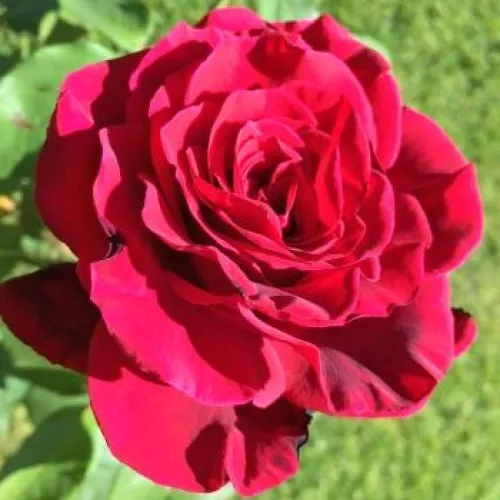
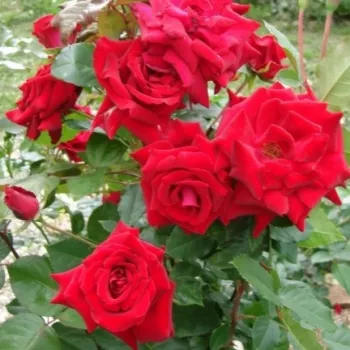
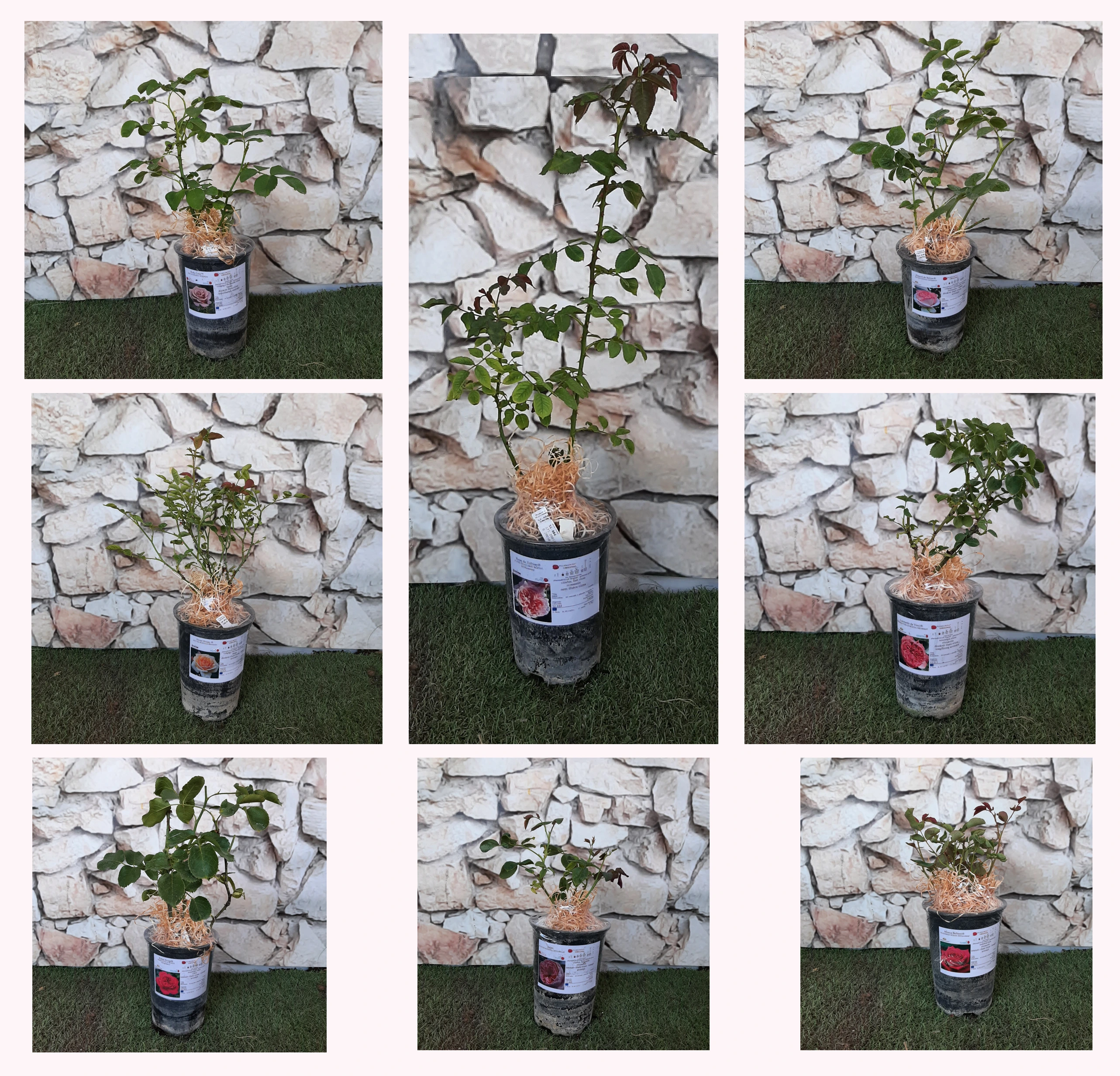
For a coastal veranda or small family garden, Uncle Walter brings statuesque structure, rich colour and surprisingly low-effort impact. This vigorous shrub forms a tall, upright screen that shrugs off Atlantic gusts and creates a calm nook for tea after a walk on the beach, naturally softening the garden’s exposure to salt-laden windspray. Clusters of velvety scarlet blooms appear in generous flushes all season, delivering reliable flowering with minimal fuss in typical UK conditions. Planted in well-drained soil or a large 50–70 litre container, this own-root rose develops steadily – first roots, then stronger shoots, and by the third year a full, long-lived presence that anchors your coastal-inspired garden.
Usage options
| Target area | Reasoning |
|---|
| Tall, informal coastal windbreak |
The strong, upright habit and dense, glossy foliage build a living partition that filters sea breezes without feeling heavy, ideal beside shingle or gravel. Over time the own-root plant thickens rather than thinning, suiting patient yet practical beginners. |
| Statement shrub for small front gardens |
Its narrow footprint but impressive height lets you create a vertical accent without sacrificing turning space on a drive or path, while the scarlet blooms read clearly from the street. Own-root vigour helps the plant recover if occasionally pruned hard by busy homeowners. |
| Low-trained as a short climber on verandas |
Canes are long and flexible enough to fan along railings or porch posts, giving you a “climbing” effect without needing specialist pruning. In a 50–70 litre container with good drainage it becomes a long-lived feature for coastal-style balcony-owners. |
| Long-season colour anchor in mixed beds |
Reliable repeat flowering keeps strong red accents running through the season, tying together softer grasses and grey-foliaged perennials. The established root system maintains this display for years with modest feeding, ideal for relaxed hobby-gardeners. |
| Easy-care park-style hedge or screen |
Spacing plants as a loose line creates a semi-formal boundary that looks generous rather than fussy. Simple annual trimming and occasional deadheading suffice, as disease resistance keeps foliage presentable for time-pressed urbanites. |
| Resilient feature for exposed, rainy plots |
Once settled, the deep roots and sturdy framework cope well with blustery, wet weather often found near the coast, steadily anchoring the planting so it feels permanent rather than temporary for practical-minded coastal-gardeners. |
| Cutting shrub for home vases |
High-centred, double blooms on long stems lend themselves to cutting, bringing that velvety red into the house without needing a dedicated cutting bed. The remontant habit means more buds follow, pleasing flower-loving families. |
| Low-intervention rose for sustainable layouts |
Good resistance to black spot and powdery mildew reduces the need for spraying, supporting a more eco-conscious approach where you still want a classic rose presence that fits thoughtful yet low-maintenance gardeners. |
Styling ideas
- Harbour-Hedgerow – line a boundary with Uncle Walter and underplant with Carex flacca ‘Blue Zinger’ to echo sea-grass movement – for coastal-style homeowners wanting structure with minimal care.
- Veranda-Gallery – train a single plant along a porch rail, backed by pale cladding and potted Lavandula for contrast – for balcony-owners seeking a bold yet space-efficient focal point.
- Shingle-Glow – set Uncle Walter behind a scarlet-toned gravel swathe with Festuca and sea kale for texture – for design-conscious gardeners who favour simple, graphic planting.
- Family-Showpiece – use one shrub as a front-garden centrepiece, edged with low Achillea for a soft skirt – for busy families wanting an impressive rose that largely looks after itself.
- Eco-Promenade – alternate Uncle Walter with New Zealand flax ‘Tom Thumb’ along a path for year-round form – for gardeners aiming at durable, low-intervention planting in exposed spots.
Technical cultivar profile
| Parameter | Data |
|---|
| Name and registration |
Uncle Walter, shrub / park rose, ARS exhibition name Uncle Walter; commercial type park rose; collection Park - shrub rose; registered and introduced 1962, premium bronze product selection. |
| Origin and breeding |
Bred by Samuel Darragh McGredy IV from ‘Detroiter’ × ‘Heidelberg’; breeding completed in New Zealand in 1959, introduced by Samuel McGredy & Son, Portadown, across European markets from 1962. |
| Awards and recognition |
Recipient of the Nord-Rose Award in Scandinavia and a Gold Medal in Copenhagen trials, confirming strong garden performance and ornamental value in cooler, maritime Northern European climates. |
| Growth and structural characteristics |
Vigorous, upright shrub reaching 240–340 cm in height with 90–160 cm spread; dense, glossy dark green foliage with bronze tinge, moderately thorny shoots, can be trained as a low climber or tall screen. |
| Flower morphology |
Large, double, high-centred blooms with 26–39 petals in clustered inflorescences; flower size around 7–10 cm; remontant habit with abundant second flush, suitable for cutting and specimen planting. |
| Colour data and phenology |
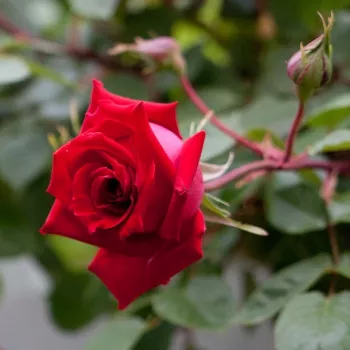
Deep scarlet-red with velvety sheen; RHS 53A outer, 53B inner; buds deep scarlet with darker shading, opening to rich scarlet then gently darkening towards crimson, with only moderate fading in strong sun. |
| Fragrance and aroma |
Fragrance very weak and neutral, perceived mainly at close range; primarily valued for visual effect rather than scent; double flower form means moderate pollinator interest, mainly decorative in planting plans. |
| Hip characteristics |
Moderate set of small, bright red, ovoid hips around 9–15 mm in diameter, adding discreet late-season interest without dominating the plant, generally not used for culinary or wildlife-specific purposes. |
| Resistance and winter hardiness |
Good resistance to black spot and powdery mildew, moderate rust susceptibility; hardy to about -15 to -12 °C (RHS H6, Swedish zone 2, USDA 7b), benefits from moisture management and mulch in colder sites. |
| Horticultural recommendations |
Best in full sun, well-drained soil; water during prolonged dry spells. Space 105–200 cm depending on use; own-root form suits long-term planting, with light annual pruning and cleaning of spent blooms as needed. |
Uncle Walter offers tall structural impact, generous repeat flowering and durable disease resistance in a long-lived own-root form that rewards patient gardeners with an enduring, low-fuss coastal focal point worth considering now.