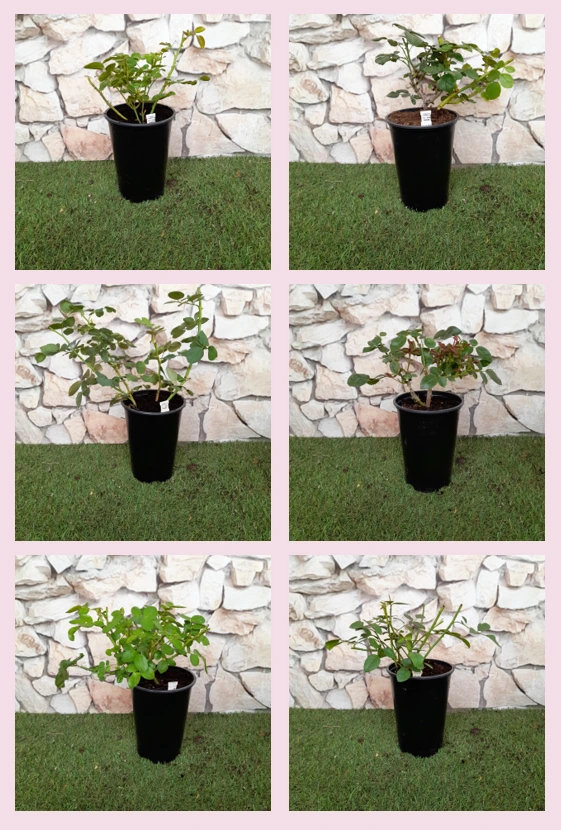
PEONY PINK – pink English rose - Austin
Imagine returning from a Cornish beach walk to sip tea behind a gentle rose windbreak, where the air carries a strong myrrh fragrance and the blooms echo the soft shades of seashells. Peony Pink settles calmly into coastal family gardens, coping well with blustery days and helping to stabilise beds where good anchoring and drainage matter. Its very full, cup-shaped flowers repeat generously through the season, while the shrub’s bushy structure keeps colour close to eye level on verandas and shingle plots. Own-root planting supports long-lived regeneration and reduced fuss, with Year 1 focused on roots, Year 2 on building shoots, and by Year 3 you can enjoy its full ornamental display in your everyday coastal retreat.
Usage options
| Target area | Reasoning |
|---|
| Coastal veranda container (40–50 litre) |
Ideal in a large, stable container where its bushy habit and self-cleaning flowers minimise upkeep; choose a sheltered veranda corner to enjoy the strong myrrh scent in the evening, especially suited to the busy beginner homeowner. |
| Small family garden focal shrub |
Use as a single, romantic focal point near seating or a path; the height and rounded form bring structure without dominating, while the pastel pink tones blend easily with existing planting, perfect for time-poor garden-lovers families. |
| Low, informal wind-filter hedge |
Planted at hedge spacing, the dense framework and reliable regrowth create a soft, wind-filtering barrier that steadies shingle or clay-based borders in blustery weather, giving reassurance to coastal-style-focused beginners. |
| Long-season flowering bed |
Its remontant nature ensures a generous second flush, extending colour well into late summer; combine with simple perennials for a border that keeps performing when time for deadheading is limited, ideal for relaxed cottage-garden enthusiasts. |
| Cut-flower corner by the patio |
Large, very full blooms on a sturdy shrub give you fragrant stems for the house without stripping the plant; steady own-root vigour means it rebounds well after cutting, convenient for scent-seeking but busy urban gardeners. |
| Part-shade side garden strip |
Tolerant of partial shade, it suits the brighter side of a north- or east-facing plot where many roses sulk; repeated flowering keeps these overlooked spaces welcoming for low-maintenance-seeking coastal-style owners. |
| Romantic mixed border with grasses |
The compact, bushy structure supports soft combinations with Carex or blue fescues, giving a refined yet relaxed look that stays neat over many years, attractive to design-conscious but time-limited couples. |
| Clay-improved coastal bed with drainage |
In a well-prepared clay bed with added drainage, its established root system anchors the plant securely and copes steadily with wind and rain common to UK coasts, reassuring for practical, weather-aware garden starters. |
Styling ideas
- Seaside-Veranda Pairing – grow in a 40–50 litre pot with blue Carex and pale decking furniture for a calm, salty-breeze nook – suited to compact coastal veranda owners.
- Romantic-Hedge Line – plant a loose row along a shingle boundary, underplanted with low sea kale for a soft, wind-filtering pink screen – for families wanting privacy without harsh fencing.
- Pastel-Tea Corner – position beside a small patio bistro set with lavender and Festuca for fragrant afternoon tea moments – ideal for busy professionals seeking easy relaxation.
- Cornish-Cottage Bed – mix with threadleaf coreopsis and white penstemon for a long-blooming, pastel-and-cream cottage border – perfect for beginners who like traditional charm.
- Veranda-Cut Patch – dedicate a pot near the back door for easy-access cut flowers, underplanted with low sedums for tidy groundcover – aimed at fragrance lovers short on time.
Technical cultivar profile
| Parameter | Data |
|---|
| Name and registration |
Peony Pink – English shrub rose from the English Rose Collection; registered as AUSmit, also exhibited internationally under the name St. Cecilia in show contexts. |
| Origin and breeding |
Bred by David C. H. Austin in Albrighton, United Kingdom; a cross of ‘Wife of Bath’ with a seedling of the same, introduced and registered in 1987 by David Austin Roses Ltd. |
| Growth and structural characteristics |
Bushy, upright shrub reaching about 120–180 cm high and 80–110 cm wide, with moderately dense grey-green foliage and moderate prickles, forming a substantial but manageable garden presence. |
| Flower morphology |
Very full, cup-shaped blooms with over 40 petals, large flower size on cluster-flowered stems; remontant habit providing an abundant main flush followed by a generous second flowering period. |
| Colour data and phenology |
Soft, even pale pink with slightly stronger centre tones; buds creamy-pink and pearlescent, gradually fading through light blush to almost white in heat and full sun by the end of each flowering phase. |
| Fragrance and aroma |
Pronounced, very strong myrrh fragrance clearly noticeable from a distance; primarily an ornamental rose with full blooms that largely enclose stamens, offering scent rather than pollinator resources. |
| Hip characteristics |
Hip set is generally sparse due to the very double flowers, but occasional small ovoid orange-red hips of about 9–15 mm diameter may develop late in the season when conditions are favourable. |
| Resistance and winter hardiness |
Good resistance to powdery mildew, black spot and rust under normal care; fully hardy to approximately -32 to -29 °C (RHS H7, USDA 4b, Swedish Zone 5), suitable for most exposed UK garden sites. |
| Horticultural recommendations |
Best as a shrub in beds, edging, low hedges or large containers; space 55–100 cm depending on use, water regularly in dry spells, and deadhead lightly to support repeat flowering and tidy outline. |
Peony Pink English Rose AUSmit offers strong myrrh fragrance, repeat flowering and a bushy, long-lived own-root habit that matures steadily over the years, making it a thoughtful choice for relaxed coastal-style gardens and verandas.