VENUSIC™ – yellow hybrid tea rose - Delbard-Chabert
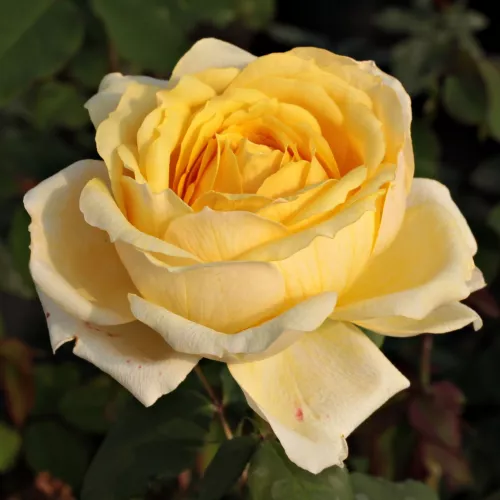
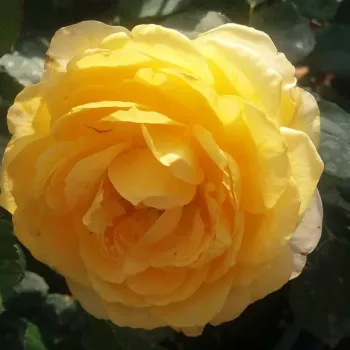
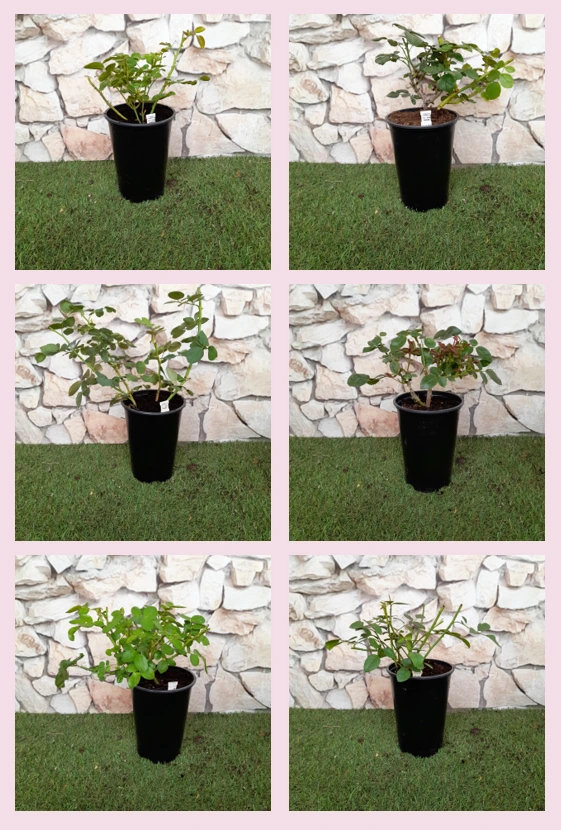
Imagine sitting on a sheltered coastal veranda with afternoon tea, a breeze carrying the medium, peach-and-green-tea perfume of VENUSIC™ around you while its saffron-yellow blooms glow against dark, glossy foliage. This hybrid tea forms a neat, upright bush that suits smaller gardens and town plots, yet still produces classic, exhibition-type flowers ideal for cutting. Own-root plants offer reassuring longevity, quietly rebuilding from the base after stress and supporting a dependable structure over many seasons. Planting is simple: a sunny, well-drained spot, improved heavy clay and you gain a rose that anchors firmly and copes well with blustery, salt-tinged coastal air. Over time, its remontant habit brings repeated waves of bloom, with buds opening from bright lemon to buttery yellow, always retaining an elegant, feminine character. In an average family garden or shingle bed you can enjoy long-stemmed flowers for vases without sacrificing garden display, as the plant’s balanced habit and dense foliage maintain structure even when you cut. Disease resistance keeps care straightforward, reducing the need for sprays, while the own-root system means less worry about winter setbacks or replanting. Think in terms of a gentle development: first strong roots, then confident shoots, and by the third year a mature, full ornamental presence that feels quietly reliable.
Usage options
| Target area |
Reasoning |
| Small coastal family garden bed |
Compact, upright growth and dense foliage make this rose ideal for modest borders in breezier districts, where its branching root system helps it sit securely even in exposed, salt-laced winds; easy reassurance for the busy coastal homeowner. |
| Cutting patch for home bouquets |
Solitary, medium-sized, high-centred blooms on straight stems deliver classic hybrid tea flowers that open neatly in a vase, giving you reliable yellow cuts for table arrangements without specialist skills, perfect for the beginner flower arranger. |
| Low-maintenance focal point near seating |
Good disease resistance and low routine care needs mean you can plant it beside a terrace or veranda and enjoy long seasons of colour and fragrance with minimal spraying or fuss, suiting the time-pressed garden owner. |
| Own-root, long-lived feature in mixed border |
The own-root form supports gradual renewal from the base, so the plant regains shape after pruning or weather damage and maintains ornamental value over many years, a calm choice for the long-term planner. |
| Remontant highlight in sunny flower bed |
Its remontant flowering habit provides a strong main flush followed by an abundant second wave, giving a long season of interest from early summer into autumn, rewarding the colour-loving gardener. |
| Pollinator-friendly family garden corner |
Although double, the flowers open enough to reveal accessible stamens, attracting bees and other insects while still looking refined, making it a considerate choice for the wildlife-aware household. |
| Fragrant path or veranda edge |
The distinct peach-and-green-tea fragrance is noticeable without being overpowering, creating a refreshing, almost coastal-tea-room atmosphere as you pass, which suits the scent-focused garden user. |
| Large container on sheltered balcony |
In a 40–50 litre pot with good drainage, its upright habit and dense foliage give structure and colour on balconies or patios, offering an easy-care solution for the space-conscious city gardener. |
Styling ideas
- Seaside-Terrace Trio – pair VENUSIC™ with blue Festuca grasses and sea kale in a gravel bed to echo shingle beaches and salty light – ideal for coastal-style enthusiasts.
- Cutting-Corner Border – mix with Echinacea purpurea and Aquilegia for a soft, cottage look that still yields straight stems for vases – perfect for home bouquet makers.
- Sunset-Veranda Pot – plant one rose in a 50 litre container with trailing thyme and silvery Stachys for a tactile, low-care display – suited to busy veranda users.
- Fragrance-Path Frame – line a sunny path with spaced specimens and lavender to enjoy wafts of tea-like scent as you walk – appealing to scent-conscious walkers.
- Family-Wildlife Nook – group VENUSIC™ with pollinator-friendly perennials and let the open-centred blooms feed insects while hips colour in autumn – great for wildlife-curious families.
Technical cultivar profile
| Parameter |
Data |
| Name and registration |
Hybrid tea rose, registered as DELdra, traded as Venusic™ Hybrid tea rose DELdra; exhibition name Venusic, in the hybrid tea exhibition category for cut flowers. |
| Origin and breeding |
Bred by André Delbard-Chabert in France from complex parentage including ‘Queen Elizabeth’ and ‘Provence’; introduced by Georges Delbard nurseries in 1966 as a garden and cutting rose. |
| Growth and structural characteristics |
Upright, bushy plant 100–140 cm tall and 60–80 cm wide, with dense, glossy dark green foliage and moderate prickles; weak self-cleaning, so dead-heading improves appearance and flowering continuity. |
| Flower morphology |
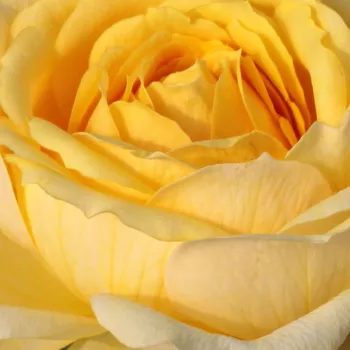
Remontant, double, medium-sized hybrid tea blooms with 26–39 petals, usually borne singly; cup-shaped with a slight central rise, providing classic, well-formed flowers suited to cutting and exhibition use. |
| Colour data and phenology |
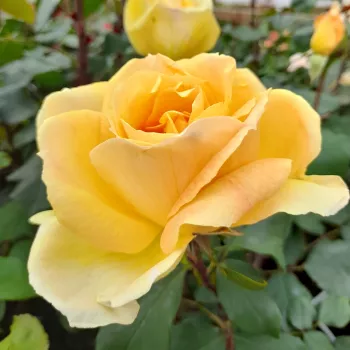
Saffron-yellow petals with golden sheen, mid-yellow outside and paler, creamy inner surfaces; colour softens to buttery yellow yet remains yellow-toned, with warmer tints in sunlight and strong bud-to-bloom continuity. |
| Fragrance and aroma |
Medium-strength, noticeable fragrance combining soft peach notes with a fresh green-tea character; scent is appreciable both in the garden and in the vase, adding sensory value beyond the visual display. |
| Hip characteristics |
Sets moderate numbers of ellipsoid orange-red hips 6–10 mm across, adding discrete seasonal interest in autumn and providing a gentle wildlife food source where spent flowers are left uncut. |
| Resistance and winter hardiness |
Hardy to approximately –21 to –18 °C (RHS H7, USDA 6b, Swedish zone 3); resistant to powdery mildew, black spot and rust, supporting lower-input cultivation with limited chemical protection required. |
| Horticultural recommendations |
Best in full sun with well-drained soil; plant 40–75 cm apart depending on use, at 4.2–4.8 plants/m² for massing; dead-head to offset weak self-cleaning and feed regularly for strong repeat flowering and cutting stems. |
VENUSIC™ – yellow hybrid tea rose - Delbard-Chabert offers long-lived own-root reliability, repeat flowering and an easy-care habit, making it a thoughtful choice if you would like a gracefully enduring rose in your garden.