VIISSNOWIT – white bedding floribunda rose - Vissers
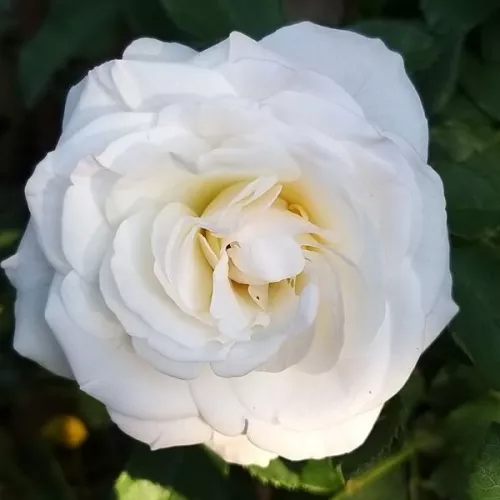
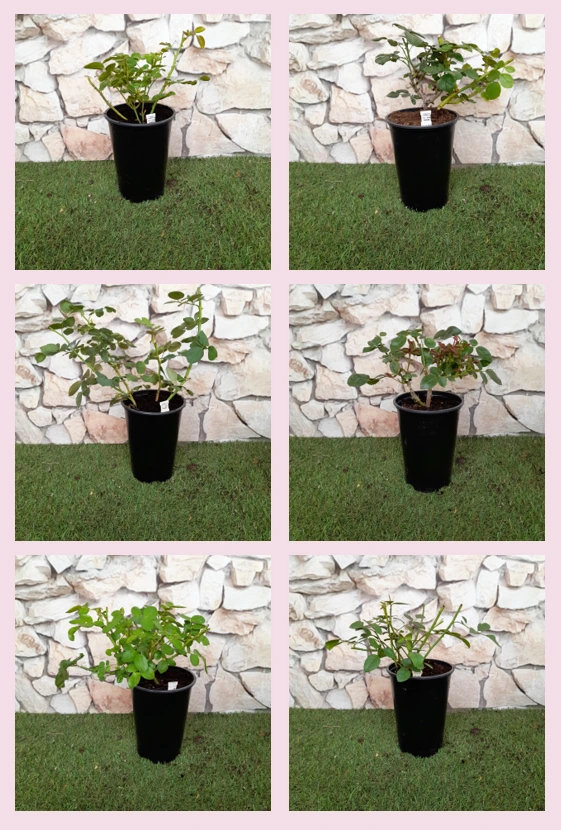
Let VIISSNOWIT bring a touch of coastal freshness to your family garden, its snow-white clusters of flowers echoing sunlit waves while its bushy habit slots neatly into smaller borders and shingle beds. This compact floribunda is raised on its own roots for long-lived stability, quietly rebuilding itself after harsh winters and coastal gusts for a reassuring, low-fuss display year after year. In a generous 40–50 litre container it makes a graceful veranda focal point, ideal where you want brightness without clutter, and it responds well to simple, regular feeding and watering for continuity of bloom. Expect a naturally rounded structure, clean white petals with a gentle pearly sheen and a light fragrance reminiscent of apple blossom. Over its first three seasons it knits in reliably – rooting in year one, gaining flowering strength in year two, and reaching its full ornamental impact by year three, all while coping confidently with blustery, salt-laden breezes and changeable weather along the British coast.
Usage options
| Target area | Reasoning |
|---|
| Small coastal front gardens |
Snow-white clusters against dark green foliage create instant brightness without visually shrinking compact spaces, while the plant’s rounded habit stays within bounds and stands up well to blustery, salt-tinged breezes, suiting time-poor homeowners. |
| Family beds and borders |
The naturally bushy structure fills gaps quickly, giving a tidy, low, informal hedge effect along paths or lawns; simple pruning keeps it dense and manageable, ideal where play space and clear sightlines matter to busy families. |
| Large containers on verandas |
In 40–50 litre pots this rose forms a stable, well-rooted plant that copes with exposed balconies, its white flowers reflecting light into seating areas while remaining easy to water and feed on a weekend schedule for casual gardeners. |
| Season-long bedding schemes |
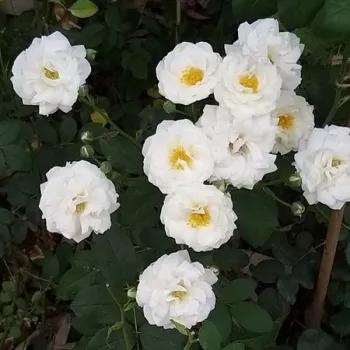
Clusters of semi-double blooms repeat steadily, so beds stay lively from early summer into autumn with minimal deadheading; you gain a consistent white “canvas” that links other colours together and flatters low-maintenance designers. |
| Shingle and coastal-style plantings |
Against gravel, pebbles or driftwood accents, the pearly white flowers echo sea foam while the compact, anchoring root system settles into well-drained pockets, supporting relaxed, holiday-inspired layouts for coastal-style enthusiasts. |
| Long-term feature planting |
As an own-root rose, VIISSNOWIT steadily rebuilds from its base after hard winters or pruning, maintaining shape and flowering performance over many years, an appealing trait where you prefer replanting less and cherishing established plants. |
| Simple, low-fuss rose displays |
A straightforward feeding and spraying routine helps this award-winning floribunda reward you with neat growth and clean, repeatedly forming blooms, avoiding complex pruning techniques and suiting learners and confident-but-busy beginners. |
| Fresh, scented seating areas |
The mild apple-blossom fragrance sits lightly in the air, adding gentle freshness around seating or tea spots without overpowering small patios, a subtle touch that appeals to those favouring calm, understated ambience. |
Styling ideas
- Seaside-terrace – Combine VIISSNOWIT in a 50 litre container with blue Festuca and silver sea kale to echo surf and sky – ideal for coastal veranda owners seeking easy-care brightness.
- Shingle-ribbon – Thread a short line of bushes through pale gravel with driftwood accents and low Lavandula for a relaxed Cornish-beach feel – for homeowners wanting soft structure without heavy maintenance.
- Evening-glow – Underplant with Alyssum maritimum and soft pink diascias so white blooms catch dusk light beautifully – perfect for small patios enjoyed after work with minimal upkeep.
- Formal-edge – Use repeated plants at recommended spacing along a path, backed by Phormium ‘Tom Thumb’ for contrast – suits those wanting a crisp but undemanding front-garden frame.
- Cottage-bay – Mix with annual Lobelia erinus and soft grasses beside a bench to suggest a breezy harbour-side border – appealing to beginners who like romantic looks without complex pruning.
Technical cultivar profile
| Parameter | Data |
|---|
| Name and registration |
Floribunda bedding rose, registered as VISsnowit, marketed as VIissnowit and Midsummersnow®, an exhibition floribunda bush suitable for bedding, small hedges and cutting for informal arrangements. |
| Origin and breeding |
Bred by Martin Vissers in Belgium in 2001 from an unknown seedling crossed with the hybrid musk ‘Rush’; introduced by Viva International BVBA in 2009 and later distributed in the United Kingdom from 2015. |
| Awards and recognition |
Highly decorated floribunda with gold medals at Le Roeulx, Kortrijk and The Hague, Golden Rose of The Hague, plus a UK Gold Standard rating and further recognition at Glasgow International Rose Trials. |
| Growth and structural characteristics |
Compact, bushy rose reaching about 70–95 cm in height with a 65–95 cm spread, moderately thorny stems and dense, dark green, glossy foliage providing a full, bedding-friendly shape and good ground coverage. |
| Flower morphology |
Semi-double, cup-shaped, cluster-flowering blooms, around 0.5–1.5 inches across with approximately 13–25 petals, flowering repeatedly through the season with an abundant second flush after the main early summer display. |
| Colour data and phenology |
Opens creamy white, quickly becoming pure snow-white with a pearly sheen; colour remains stable before softly shifting to ivory, providing a consistently clean white effect across the plant from bud to fading bloom. |
| Fragrance and aroma |
Mild, fresh fragrance with a light apple blossom character, noticeable at close range but not overpowering, making it well suited near seating areas where a subtle, refreshing scent is preferred over intense perfume. |
| Hip characteristics |
Hip set is typically sparse due to semi-double flowers; where formed, expect small, spherical red hips about 7–10 mm in diameter, adding only a discreet hint of autumn interest rather than a dominant feature. |
| Resistance and winter hardiness |
Hardy to around −26 to −23 °C (RHS H7; Swedish Zone 4; USDA 5b), but shows very high susceptibility to black spot, powdery mildew and rust, requiring regular, proactive plant protection to maintain foliage quality. |
| Horticultural recommendations |
Best in fertile, well-drained soil with regular feeding and spraying; plant at 50–55 cm in mass or hedge schemes, allow 90 cm as a solitary, and water containers attentively, especially larger 40–50 litre veranda plantings. |
VIISSNOWIT offers compact structure, season-long white flowering and quietly enduring own-root resilience in beds or large containers, a thoughtful choice if you appreciate reliable, gentle brightness and prefer to plant once then enjoy for years.