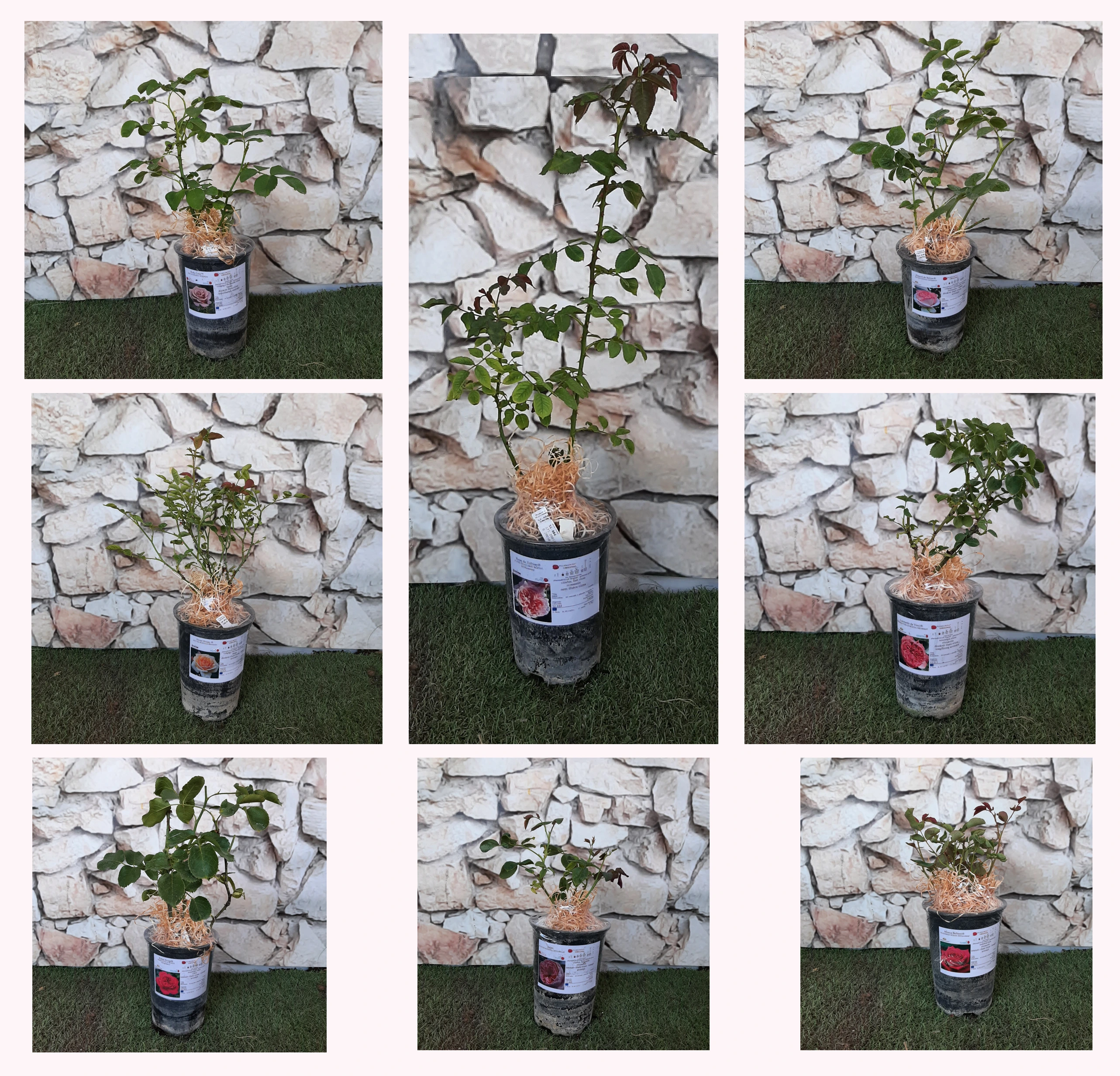
LÉDA – white historic Damask rose
With its romantic white-and-raspberry blooms and powerful, classic scent, LÉDA brings a sense of windswept coastal elegance to compact gardens and verandas, while coping reliably with blustery, salt-tinged weather along exposed British shores. This historic Damask shrub forms a naturally upright, bushy structure that anchors well in heavier soils when drainage is managed, making it a steady, long-lived feature rather than a demanding diva. Repeating generous flushes of semi-double flowers from early summer, it offers both visual interest and accessible pollen for visiting pollinators, so your seating corner stays lively from one tide to the next. The pharmaROSA® ORIGINAL 2-litre, own-root plant is designed for an easy start: roots first, then branching shoots, then full ornamental impact over about three seasons, giving you a stable, rejuvenating rose that rewards light, regular care instead of constant attention.
Usage options
| Target area | Reasoning |
|---|
| Small coastal family garden border |
LÉDA’s compact, upright habit and moderate spread suit narrow beds in front or back gardens, giving structure without overwhelming paths or play areas, while its historic charm enriches relaxed seaside-style borders for beginners and time-poor homeowners |
| Feature rose near a seating or tea corner |
The very strong, classic Damask fragrance carries on still days and through light breezes, making it ideal beside a bench or veranda table where you pause after a beach walk with a pot of tea for scent-loving coastal garden owners |
| Large container on sheltered veranda or balcony |
Planted in a 40–50 litre pot with good drainage, LÉDA forms a bushy, tidy shrub that flowers freely in partial shade, offering period character and long-season colour with straightforward watering and pruning for urban balcony and veranda gardeners |
| Romantic, repeat-flowering focal point |
Its remontant nature, with an abundant second flush, keeps the white-and-raspberry rosettes returning through the season, providing dependable colour even in changeable summers for gardeners wanting continuous visual interest |
| Pollinator-friendly corner in a family garden |
Semi-double clustered blooms with easily reached stamens invite bees and other insects without looking wild or untidy, so you can support garden biodiversity while maintaining a refined look suited to nature-conscious yet style-aware households |
| Heat- and drought-resilient planting strip |
Good tolerance of heat and drier spells makes LÉDA suitable for sunny, slightly exposed spots where watering may be occasional rather than constant, easing day-to-day care for busy owners managing summer dry periods |
| Long-lived, low-fuss heritage accent |
As an own-root historic shrub, LÉDA matures steadily into a durable, regenerating plant rather than relying on a graft, ideal if you prefer to plant once and enjoy for many years with modest upkeep for homeowners seeking enduring garden value |
| Wind-resilient, clay-tolerant coastal bed |
The dense, grey-green foliage and bushy framework cope well with blustery conditions, while careful planting into improved heavy clay helps it root firmly and face frequent strong breezes along the coast, reassuring for owners of exposed Cornish and Devon gardens |
Styling ideas
- Seaside-Femininity – combine LÉDA with soft pink Alchemilla mollis and pale gravel mulch to echo seashell tones in a sheltered front garden – ideal for coastal-style lovers wanting a gentle, “girly” welcome
- Veranda-Classic – plant one LÉDA in a 40–50 litre clay pot flanked by lavender for fragrance layers around a bistro set – suited to veranda owners who enjoy low-effort evening relaxation
- Shell-Path – edge a shingle path with LÉDA and silver grasses like Festuca to frame the rose’s white blooms against a dune-inspired texture – perfect for families creating a coastal walk-through garden
- Heritage-Focus – use LÉDA as a single specimen backed by clipped Lonicera nitida ‘Maigrün’ to highlight its historic character – for enthusiasts who appreciate one standout, long-lived shrub
- Pollinator-Ribbon – interplant LÉDA with Verbena bonariensis in a sunny strip for constant movement from bees and butterflies – appealing to eco-minded gardeners wanting wildlife without a wild look
Technical cultivar profile
| Parameter | Data |
|---|
| Name and registration |
LÉDA – white historic Damask rose from the Historic rose collection; Damask shrub rose group, historical commercial type; ARS exhibition name ‘Leda’; classification historic shrub rose. |
| Origin and breeding |
Historic Damask rose of unknown breeder, bred in the United Kingdom around 1818 and in commerce by 1827; parentage unknown; typical of early nineteenth-century European garden introductions. |
| Growth and structural characteristics |
Upright, bushy shrub 90–150 cm high and 70–110 cm wide, with dense, slightly glossy grey-green foliage and moderate prickliness, forming a well-filled, medium-sized garden rose structure over time. |
| Flower morphology |
Semi-double, medium-sized rosette blooms, usually in clusters, with approximately 13–25 petals; remontant habit with an abundant second flowering; suitable for garden display and occasional cutting. |
| Colour data and phenology |
Snow-white petals edged raspberry-red; deep crimson buds soften to milky white with a thinning pink margin; very good colour retention, with graceful fading that maintains decorative value over the flowering period. |
| Fragrance and aroma |
Very strong, classic rose fragrance typical of Damask heritage cultivars; scent noticeable from a distance, particularly valuable near paths, seating, or open windows where air movement can carry the aroma indoors. |
| Hip characteristics |
Produces decorative, ovoid red hips, approximately 15–25 mm across, in moderate quantities; suitable for adding seasonal autumn interest and visual contrast among fading foliage and neighbouring plantings. |
| Resistance and winter hardiness |
Hardy to approximately −32 to −29 °C (RHS H7, USDA 4b, Swedish Zone 5); moderate resistance to black spot, mildew, and rust; tolerates summer heat and short dry spells when reasonably established. |
| Horticultural recommendations |
Best in fertile, well-drained soil with improved heavy clay where needed; suitable for beds, containers, or as a specimen at 80–150 cm spacing; partial shade tolerant; medium maintenance with occasional plant protection. |
LÉDA – white historic Damask rose offers powerful fragrance, repeat flowering and a compact, long-lived own-root shrub form that rewards gentle, regular care, making it a refined choice if you favour enduring beauty with manageable effort.