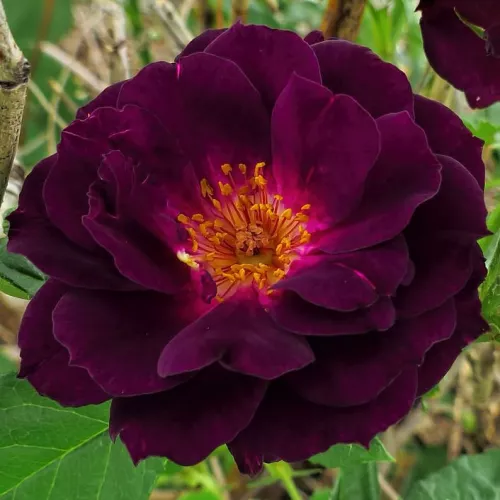
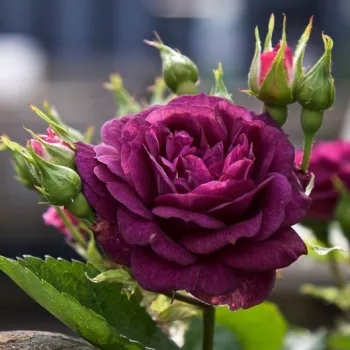
Midnight Blue – WEKfabpur dark crimson bedding floribunda rose
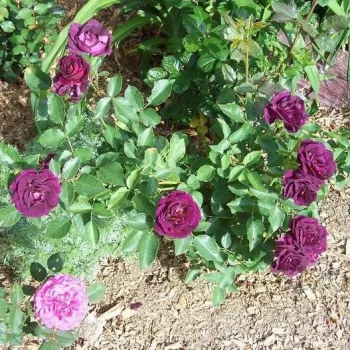
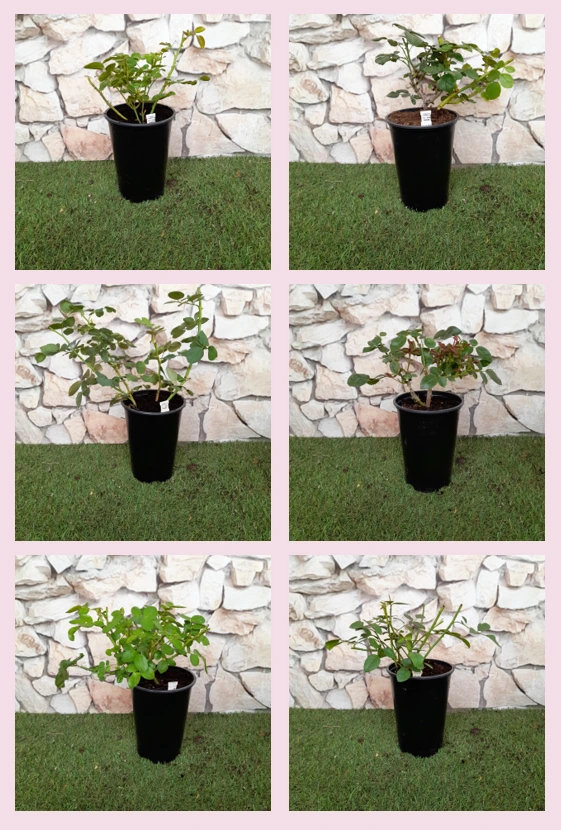
Imagine stepping onto your coastal veranda after a blustery walk, cup of tea in hand, greeted by clusters of velvety blooms in a deep, midnight crimson that hold their colour even under strong summer light. Compact yet impactful, this floribunda settles happily into small family gardens and balcony pots, handling brisk sea breezes and damp weather with reassuring poise in a way that suits exposed, wind-prone, better-drained coastal plots. Its remontant flowering brings wave after wave of blossoms from early summer well into autumn, each release scented with a strong clove-spice fragrance that carries beautifully on salty air. Dense, healthy foliage and naturally low maintenance habits make it particularly suitable for busy households who want colour without fuss. As an own-root planting, it builds a durable framework that regenerates well and keeps its ornamental charm for years, moving from rooting securely in the first season to stronger top growth in the second and full garden presence by the third. Ideal for shingle beds, containers of at least 40–50 litres, or as a mood-setting backdrop to beach finds and seashell collections, this easy-care, long-lived rose creates a refined yet relaxed retreat for beginners and coastal-style lovers alike.
Usage options
| Target area | Reasoning |
|---|
| Small coastal flower bed near a seating area |
The compact, rounded habit allows you to tuck several plants into a modest front or back garden bed without overwhelming the space, giving strong colour and structure while leaving room for paths and family use, ideal for the relaxed coastal veranda beginner-gardener |
| Wind-exposed, salt-tinged shingle border |
This variety copes well with breezy, rain-lashed positions and typical coastal exposure, thriving where more delicate roses struggle, making it particularly suitable for shingle beds in Cornwall or Devon with reliable drainage and anchoring in such coastal, wind-prone, better-drained garden spaces coastal-homeowner |
| Feature container on balcony or veranda |
Its naturally compact frame and dense foliage respond well to life in a 40–50 litre pot, giving you a portable, richly coloured accent for suntraps or sheltered spots without demanding complex pruning or specialist care, perfect for low-maintenance urban-gardener |
| Long-season focal point by doors and paths |
Repeat flowering through the season provides fresh clusters of deep crimson-purple blooms just where you pass most often, ensuring consistent impact from early summer well into autumn with minimal deadheading, supporting busy lifestyles seeking dependable colour-seeker |
| Fragrant corner for evening relaxation |
The strong clove-spice scent intensifies in still evening air, turning a small terrace or bench area into a sensory retreat that pairs beautifully with sea air and a cup of tea after a day out, appealing to those who cherish atmospheric scent-lover |
| Low-intervention family garden planting |
Good disease resistance and modest maintenance needs mean less spraying, less nursing and more time simply enjoying the garden, especially useful where gardening knowledge or time is limited but a reliable show of flowers is still desired by the practical hobby-gardener |
| Long-lived structural rose for evolving gardens |
As an own-root plant it builds resilience year on year, reshooting well from the base and maintaining its form even after hard winters, so it can remain a stable feature as other planting around it changes, suiting planners of enduring family-gardeners |
| Textured planting with coastal-style companions |
The dark, velvety flowers contrast beautifully with sea kale, blue fescues and lavender, giving a layered, seaside-inspired palette that works in both formal and relaxed layouts while keeping care straightforward for those exploring design style-conscious |
Styling ideas
- Midnight-Rimmed Terrace – Line a sunny veranda edge with pots of Midnight Blue underplanted with silvered Festuca, echoing shingle tones and creating a soft, wind-filtering fringe – for coastal veranda owners seeking calm refinement
- Harbour-Bed Contrast – In a small front bed, combine Midnight Blue with white sea kale and pale gravel mulch for a crisp, maritime look that stays tidy with little effort – for busy households wanting clean, modern structure
- Teacup Nook – Place a single large container beside a bench, with trailing thyme at the base, to enjoy clove-scented blooms mixing with herbs on still evenings – for fragrance enthusiasts who favour compact seating corners
- Shell-Path Border – Flank a shell or gravel path with repeating clumps of Midnight Blue and lavender, using its compact form to define the route without narrowing it – for families wanting characterful but practical access routes
- Balcony Jewel-Box – Use one specimen in a 50-litre tub with soft blue caryopteris behind to create a layered, jewel-like vignette that looks good from indoors year-round – for flat-dwellers aiming for maximum impact in minimal space
Technical cultivar profile
| Parameter | Data |
|---|
| Name and registration |
Floribunda bedding rose registered as WEKfabpur, marketed as Midnight Blue; shrub rose category for garden and exhibition use, with verified cultivar authenticity and premium bronze quality rating. |
| Origin and breeding |
Bred by Thomas F. Carruth (United States, 2004) for Weeks Wholesale Rose Grower Inc; complex parentage combining Sweet Chariot, Blue Nile, Stephens’ Big Purple and R. soulieana hybrid lines, introduced after 2006. |
| Awards and recognition |
Honourable Mention at the Australian National Rose Trial Garden in 2004, followed by a Gold Medal at the Rose Hills International Rose Trials, USA, in 2006, underlining proven garden and show performance. |
| Growth and structural characteristics |
Compact, well-branched shrub reaching about 80–110 cm in height and 50–70 cm spread, with dense, slightly glossy green foliage (RHS 147A) and relatively sparse prickles, giving good structure in modest spaces. |
| Flower morphology |
Semi-double, cup-shaped clusters on floribunda-style trusses, typically 13–25 petals per bloom and medium flower size, around 1.5–2.75 inches, producing abundant repeat flushes through the season with cluster impact. |
| Colour data and phenology |
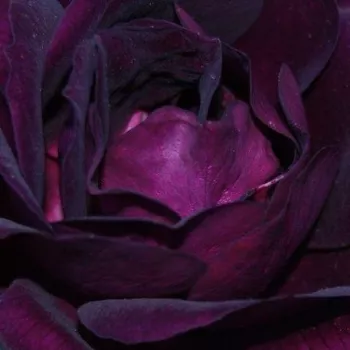
Velvety dark crimson to blackish-purple blooms with purplish sheen; ARS colour code m, RHS 79A and 72A; colour lightens slightly in strong sun yet remains deeper in cooler weather, maintaining a smoky, dramatic effect. |
| Fragrance and aroma |
Strong, distinctive clove-spice fragrance that is clearly noticeable in the garden; semi-double flowers offer some accessible stamens, giving moderate pollinator interest compared with more closed, fully double varieties. |
| Hip characteristics |
Hip set is generally minimal because of the flower form; where present, small hips of around 0–4 mm diameter may develop, but they rarely contribute significantly to the ornamental appeal of the plant. |
| Resistance and winter hardiness |
Good resistance to black spot, powdery mildew and rust; hardy to about −26 to −23 °C (RHS H7, USDA 5b, Swedish zone 4), with moderate heat tolerance provided adequate watering is maintained during prolonged dry spells. |
| Horticultural recommendations |
Suited to beds, edging, containers and specimen use; plant at roughly 35–65 cm spacing depending on effect desired, with around 6 plants/m² for massing; prefers sun or light shade and benefits from regular but simple pruning. |
Midnight Blue offers compact habit, repeat flowering and rich fragrance in an own-root form that matures into a resilient, long-lived feature; consider it if you seek dependable drama from a relatively low-effort rose.