Climbing and rambling roses

52-873-1
52-873-2

Wekrosopela

Climbing rose

- – Thomas F. Carruth

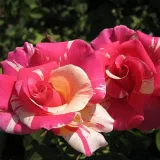
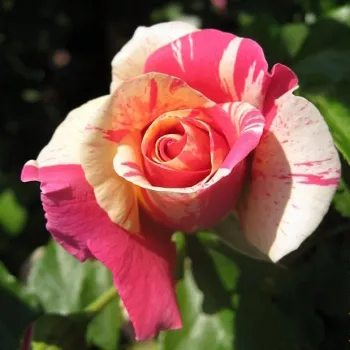
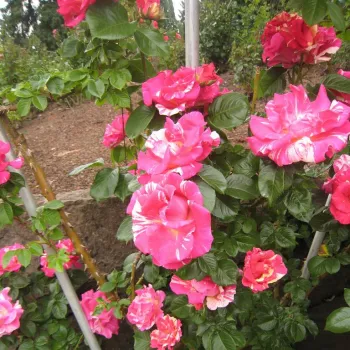
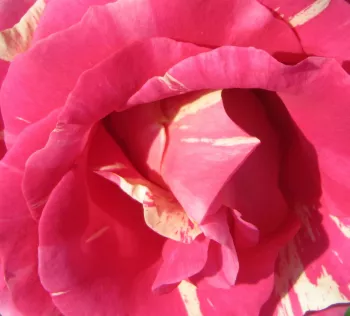
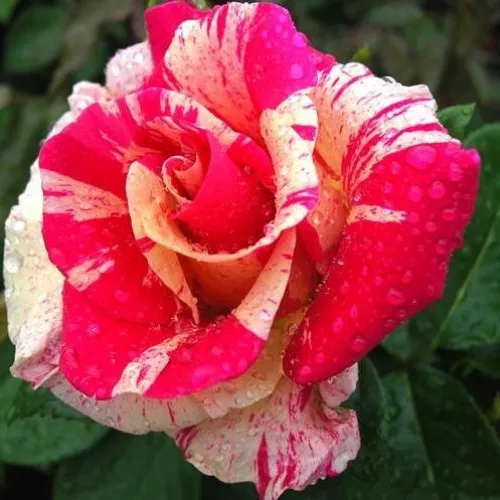
On a vivid mallow-pink ground, irregular cream and ivory stripes appear. - climbing rose, climbing rose - medium-strength, noticeably scented rose - pleasantly sweet aroma

– Striped pink‑cream blooms in lively clusters.
– Reliable repeat flowering through the season.
– Medium, pleasantly sweet fragrance presence.
– Vigorous climber for arches, fences, walls.
– Dense, glossy mid‑green foliage background.
Special feature: Semi‑double flowers support bees and other pollinators.
Natural renewal – Pollinator-friendly approach
Wekrosopela
vivianaROSE® ORIGINAL 2-litre own-root potted rose
24,90 £
Unfortunately, we are currently unable to ship to the United Kingdom; we only deliver to countries within the European Union. For more information, please contact us!
5 (7877)
facebook   twitter

WEKROSOPELA – pink-cream climbing rose – Carruth

Imagine a sheltered coastal veranda where a softly striped climbing rose filters the breeze, bringing a hint of sweetness and colour even when gales blow in from the sea and the soil needs careful drainage. WEKROSOPELA, known in exhibitions as ‘Candy Land’, is a large-flowered climbing rose whose semi-double blooms combine vivid mallow pink with cream stripes for a playful yet refined impact. As an own-root rose it settles steadily, building a deep, resilient root system for a long, dependable lifespan with less fuss. Over three seasons it moves from establishing roots, to building strong shoots, to reaching its full ornamental potential, creating a stable, easy-to-manage vertical feature on pergolas and fences. Its repeat-flowering habit keeps clusters of colour coming through much of the season, while open, pollen-rich centres support visiting bees and add a gentle sense of nature to family gardens. In a 40–50 litre container on a balcony or terrace it offers an indulgent yet practical way to introduce vertical colour and privacy, with glossy mid-green foliage that looks fresh between the flushes of flowers, so you can relax with afternoon tea and enjoy a quietly refreshing garden escape.


Usage options

Target areaReasoning
Pergola in a small family garden Ideal for training over a modest pergola, using its medium-height climbing habit and dense foliage to frame a seating area with vertical interest without overwhelming the space; perfect for relaxed coastal-style pergola users, especially beginners.
Sheltered coastal veranda or balcony Well suited to a large container of 40–50 litres, where its repeat-flowering, striped blooms give long-season enjoyment while the own-root form builds stability and reliability for years of low-fuss colour for busy veranda and balcony owners.
Privacy screen along a fence Trains neatly along wires or trellis, using its 2.4–3.6 m height and glossy, dense foliage to soften boundaries and create a gentle visual screen, with manageable maintenance for family households and time-pressed garden caretakers.
Coastal-style shingle or gravel garden Works convincingly in shingle settings, where its candy-striped flowers contrast with pebbles and its own-root resilience helps it adapt to exposed, breezy conditions and thoughtful watering for design-conscious coastal garden enthusiasts.
Wildlife-friendly corner near a terrace The semi-double, open-centred flowers offer easy pollen access, encouraging bees and other beneficial insects close to seating areas while still providing tidy, ornamental clusters appreciated by nature-aware family garden users.
Arbour or entrance arch Its medium vigour and controllable spread lend themselves to archways, where repeat flushes of scented blooms create a welcoming focal point and long-term structure for home-owners wanting lasting, low-fuss garden features.
Clay-based borders with improved structure Performs reliably in heavier soils once the planting hole is prepared to secure good drainage and root anchoring in wet spells, offering a stable, own-root climber for typical British clay-garden residents.
Cut-flower corner near the back door Provides medium-sized, cupped blooms on cluster stems that can be cut for vases without stripping the plant of display, thanks to repeat flowering and steady regrowth valued by home florists and occasional flower-cutting gardeners.

Styling ideas

  • Seaside-Perch Pergola – Train WEKROSOPELA over a small pergola with pale wood furniture and striped cushions, letting its pink-and-cream flowers echo seaside deckchair colours – ideal for relaxed coastal-style families.
  • Cornish-Veranda Screen – In a 40–50 litre container, combine this climber with sea kale and blue Festuca in nearby pots for a textured, salt-evoking palette – suited to balcony and veranda owners wanting privacy and colour.
  • Shingle-Romance Arch – Grow it over a simple metal arch in shingle, underplanting with low Lavandula and Euonymus fortunei ‘Minimus’ for evergreen cover and scent – perfect for lovers of soft, romantic coastal entrances.
  • Bee-Lane Fence – Along a sunny fence, intersperse the rose with airy Anemone ‘Fantasy Belle’ and ornamental grasses to create a wildlife-friendly corridor – appealing to families keen to support pollinators gracefully.
  • Tea-Corner Feature – Place a single plant near a terrace bistro set, guiding stems along discreet wires so flowers hover at eye level for scented teatime moments – for homeowners seeking an easy, long-lived focal point.

Technical cultivar profile
ParameterData
Name and registration Climbing rose, large-flowered type; registered as WEKrosopela, exhibited as ‘Candy Land’, with WEKROSOPELA – pink-cream climbing rose – Carruth used as the commercial name in this collection.
Origin and breeding Bred by Thomas F. Carruth in the United States (2006) from ‘Rosy Outlook’ × ‘Pretty Lady’; registered 2008 and introduced after 2008 via Weeks Roses, in the Weeks Wholesale Rose Grower Inc breeding line.
Growth and structural characteristics Climbing habit, typically 2.4–3.6 m high with 1.6–2.6 m spread; dense, mid-green, glossy foliage and moderate prickliness; medium self-cleaning, so some deadheading improves presentation and flowering rhythm.
Flower morphology Semi-double, cupped to flat-opening flowers in clusters; about 13–25 petals per bloom and medium size (approximately 4–7 cm), with reliable remontancy and abundant second flushes in suitable, sunny positions.
Colour data and phenology Vivid mallow-pink ground with irregular cream and ivory striping; buds deep carmine with pale striping, flowers lightening to pastel pink and off-white before fading; stripes remain distinct, giving a playful, variegated effect.
Fragrance and aroma Medium-strength, pleasantly sweet scent noticeable at close quarters, especially in warm, still conditions; fragrant enough for seating areas and cut flowers without becoming overpowering in compact family gardens.
Hip characteristics Rose-hip set is usually low due to flower form, but occasional small, ellipsoid hips 10–14 mm may develop, turning orange-red and adding discrete seasonal interest where spent blooms are not routinely removed.
Resistance and winter hardiness Hardy to around −21 to −18 °C (RHS H7, USDA 6b, Swedish Zone 3); disease resistance is medium to the main foliar issues, so routine monitoring and timely, light interventions keep foliage in good condition.
Horticultural recommendations Best in full sun with fertile, well-drained soil; recommended spacing 1.75–3.2 m depending on use; regular watering in prolonged dry spells and occasional training and pruning maintain form on pergolas, fences or walls.

WEKROSOPELA rewards you with playful striped colour, bee-friendly clusters and a dependable, long-lived own-root framework that matures steadily, so you can enjoy an easy, enduring climbing rose and choose it with quiet confidence.
Detailed product attributes

Product Identification Data

Product Name: WEKROSOPELA – pink-cream climbing rose - Carruth
Product Type: vivianaROSE® ORIGINAL - 2-litre own-root potted rose
Cultivar Authenticity: Verified:28.05.2025
Cultivar Quality Rating: premium gold
Item Number: [544] 52-873 (14.02.2026) vivianarose.co.uk

Name and Registration

Meaning of Cultivar Name: The English term "Candy Land" is the name of a classic board game about sweets that refers to a land of confectionery.
Cultivar Synonym: Candyland
Original Trade Name: Candy Land
Current Trade Name: Wekrosopela Climbing rose WEKrosopela
Rose Group: Climber, Large -Flowered Climber
Commercial Type: climbing rose, climbing rose
Commercial Group: Climbing rose
Exhibition Category: large-flowered climbing rose (exhibition climbing rose)
Collection: Climbing rose

Origin and Breeding

Initial Distributor: Weeks Roses (USA)
Introduction Year: after 2008
Breeder: Thomas F. Carruth
Breeding Company / Institution: Weeks Wholesale Rose Grower Inc
Breeding Year: United States, 2006
Parentage: 'Rosy Outlook' × 'Pretty Lady'

Growth and Structural Characteristics

Height: 7.9-11.8ft (240-360 cm)
Spread: 5.2-8.5ft (160-260 cm)
Growth Habit: climbing
Foliage: The variety has dense foliage; its leaves have a glossy surface and a mid‑green shade.

Prickliness: moderately thorny
Self-Cleaning Description: According to the descriptions, some spent flowers remain on the plant and require subsequent deadheading.

Self-Cleaning Intensity: Self-cleaning: medium.

Flower Morphology

Petal Count: 13-25
Flower Fullness: semi-double
Flower Shape: cupped, flat-opening
Flower Size: M (1,5-2,75 in)
Inflorescence Type: cluster-flowered
Colour Code: ARS code: pb RHS code: 64C (external), 11D (internal)
Repeat Flowering: Remonts well and has an abundant second flowering.

Colour Data and Phenology

Colour: pink-cream
Flower Colour Description: On a vivid mallow-pink ground, irregular cream and ivory stripes appear.
Closed Bud: Deep carmine pink with pale cream striping at the tip.
Newly Opened Flower: Intense pink ground-colour petals are streaked with yellowish-cream stripes.
Full Bloom: The pink lightens slightly, with the cream-coloured stripes visible in sharp contrast.
Before Fading: The pink fades, softening to pastel pink and off-white tones.
Colour Fading Description: The intense pink lightens slightly at full bloom, then fades to pastel pink and off-white tones before fading completely; the cream‑coloured stripes remain clearly visible throughout.

Fragrance and Aroma

Fragrance Strength: medium-strength, noticeably scented rose
Fragrance Character: pleasantly sweet aroma
Pollinator Attraction: The semi-double flowers open flat; flower form (simple/semi-double/double) and pollen accessibility make them particularly attractive to pollinators.
Pollinator-Friendly Rating: Semi-double, open-centred flowers with easily accessible stamens attract bees, making it pollinator-friendly.

Hip Characteristics

Hip Shape: ellipsoid-shaped
Hip Colour: orange-red
Hip Comment: Rose-hip formation is expected to be limited due to the double flowers; occasionally an ellipsoid, orange-red rose hip 10–14 mm in diameter may appear.

Resistance and Hardiness

Hardiness (°C): -21–-18 °C
Heat and Drought Tolerance Description: Tolerates heat well and requires watering during prolonged dry periods.
Disease Resistance: medium
  • powdery mildew – medium
  • black spot – medium
  • rust – medium

Horticultural Recommendations

Recommended Planting Distance: for mass planting: 190 cm, for hedging: 175 cm, as a specimen: 320 cm
Planting Density: square planting 0,3 plants/m², hexagonal arrangement 0,3 plants/m²
Partial Shade Tolerance: prefers a sunny position
Maintenance Requirement: Maintenance requirement medium; occasionally requires plant protection measures.
Primary Uses: pergola, fence, wall training, arbour, cut flowers

Comments

Strengths: Natural renewal – Pollinator-friendly approach
Companion Plants: Euonymus fortunei 'Minimus' - Small-leaved groundcover wintercreeper
Phormium 'Tom Thumb' - New Zealand flax
Anemone 'Fantasy Belle' - Windflower
Comment: -
WEKROSOPELA – pink-cream climbing rose - Carruth
On a vivid mallow-pink ground, irregular cream and ivory stripes appear. - climbing rose, climbing rose - medium-strength, noticeably scented rose - pleasantly sweet aroma
The rose webshop. - climbing rose, climbing rose - Wekrosopela - pink-cream - (7.9-11.8ft (240-360 cm))
Inflorescence: cluster-flowered Height: 7.9-11.8ft (240-360 cm) Flower shape: cupped, flat-opening Winter hardiness: 5b pink-cream - Weeks Roses (USA) climbing rose, climbing rose - Flower size: M (1,5-2,75 in) Flower size: M (1,5-2,75 in) - Height: 7.9-11.8ft (240-360 cm) Height: 7.9-11.8ft (240-360 cm) - Flower fullness: semi-double Wekrosopela - Roses in the garden | vivianaROSE® Original - premium gold Thomas F. Carruth

We showcase the external appearance of the roses available for online purchase from our webshop.


Which product type is right for you?


Information

In what condition do we send the rose from our online webshop?

Let us ask ourselves the question: What do I want to use the rose for?
Flower? - Location? - Screening? - Fragrance? - Height? - Breeder? - Rose hips?

Rose purchasing information
Payment methods - Delivery costs - Delivery - Complaints handling

Care guide

Our product is a rose grown with pharmaROSA®’s unique cultivation technology!

2-litre, own-root, potted rose.
With a shoot system appropriate to the season.
With a root system that thoroughly permeates the growing medium.
Quality compliant with the requirements of the E.N.A. (European Nurserystock Association).
Supplied in unique packaging that prevents damage.
Can be planted during frost-free periods.
True-to-variety rose bush with a unique identifier.

The pharmaROSA® own-root potted rose is a well-rooted plant that supports reliable establishment when planted and cared for properly, so it can be planted whenever the soil is not frozen.


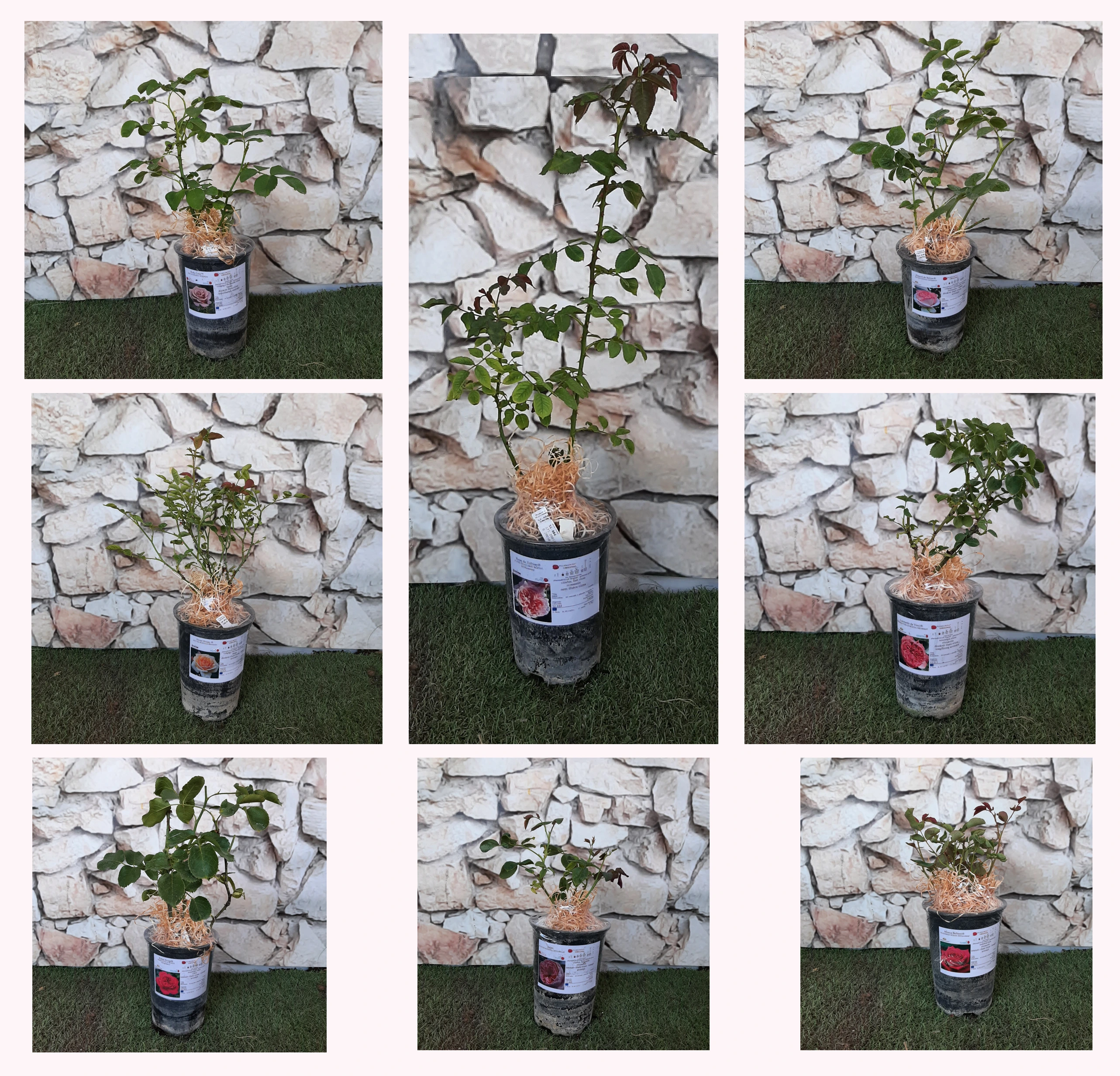
Crop overview: several varieties and growth stages in a short crop section.
Shoot system: intensive growth of fresh basal shoots on a young plant.
Root system: demonstration of a vigorous root system permeating the growing medium, by removing the pot.
Balance: mature plant with root system and shoots in harmony with each other.

Information about the videos
The video series is not a “seasonal showcase”; it illustrates the essence of pharmaROSA® own-root cultivation in a tangible way: how the plant is built up, what the root system is like and how the shoot system regenerates. The recordings were therefore made at different times and with plants at various stages of development, so mixed foliage levels and differing stages of growth may appear in the videos. They are not a ‘sample’ of the batch dispatched, but a visual explanation of how the technology works. The current condition of the rose available to order — typical for the given period and similar to what you can expect to receive in the parcel — is shown in the upper part of the product page.

pharmarosa.plpharmarosa.compharmarosa.atpharmarosa.co.ukpharmarosa.czpharmarosa.depharmarosa.ropharmarosa.sipharmarosa.skpharmarosa.hrpharmarosa.frpharmarosa.grpharmarosa.bepharmarosa.dkpharmarosa.nlpharmarosa.iepharmarosa.lupharmarosa.espharmarosa.bgpharmarosa.ltpharmarosa.lvpharmarosa.rupharmarosa.itpharmarosa.ptpharmarosa.sepharmarosa.eepharmarosa.fi

Product types

Pages for private customers
Garden roses for the family garden, with minimal care  → ORIGINAL®
Premium garden roses – instant impact, a truly showpiece garden  → EXTRA®
Pages for professionals and private customers
Roses for public spaces – large areas, sustainable maintenance  → NATURAL®
Roses for projects – hedge and row planting, fast implementation  → RAPID®
For professional partners only
Production – propagation material for garden roses, wholesale  → NEONATAL®

Company details

PharmaRosa Ltd.
Company registration number: 01-09-717479
VAT number: 13075314-2-43
Plant health registration no.: HU130721
Bank account (IBAN):
HU85117631891388688400000000
BIC (SWIFT): OTPVHUHB
Bank name: OTP Bank Nyrt.