WHITE MARY ROSE™ – white English rose - Austin
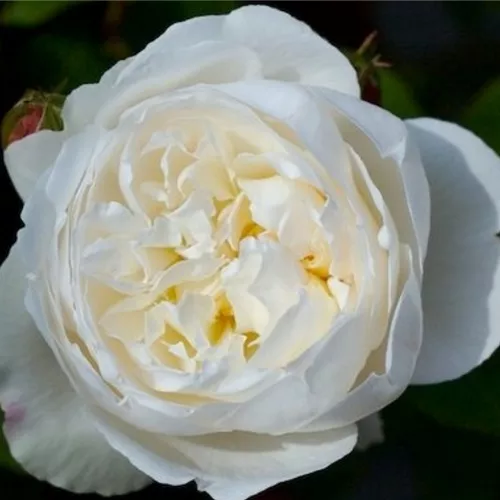
Imagine returning from a breezy beach walk to sit behind a gentle garden windbreak, framed by pure white blooms that feel like sunlight on shingle: WHITE MARY ROSE™ settles calmly into family gardens, coping well with persistent coastal winds and the typical challenges of damp British weather. This compact English shrub rose offers generous, recurrent flowering in tidy clusters, with cupped, double blooms that keep their clear white colour remarkably stable even in strong light. Its strong, classic rose fragrance enhances small patios and verandas, while the bushy, rounded habit suits modest borders and low hedges as well as large containers from 40–50 litres. Being own-root, it promises a quietly reliable lifespan, ready to regrow from its own wood after tough seasons and reward a calmer, low-fuss approach to care; roots establish first, then shoots build in the second year, before full ornamental impact unfolds from year three onwards in your coastal-inspired, softly sheltered garden.
Usage options
| Target area |
Reasoning |
| Coastal veranda container (40–60 litre pot) |
Compact, bushy growth and moderate height make this rose ideal for large coastal containers that need to look refined without overpowering the space. Good self-cleaning keeps petals from hanging on in wet, salty air, reducing tidying. With regular watering, it flowers steadily, providing a calm, white backdrop to outdoor seating on blustery days – especially suited to the relaxed needs of the busy urban gardener. |
| Small family garden feature by a seating area |
The rounded, evenly filled shrub provides a soft, semi-formal backdrop for a bench or small terrace, giving structure without demanding complex pruning. Its own-root form supports a long planting life, so once settled it can remain a dependable focal point for many seasons. Repeating flushes of white flowers keep the space fresh from early summer into autumn – reassuring for the beginner gardener. |
| Low, romantic hedge along a path |
Planted at the recommended spacing, the bushy habit knits into a loose hedge that gently defines paths or drive edges without becoming imposing. Flowering in clusters, it creates a continuous ribbon of white along the route, with moderate maintenance limited mainly to shaping and occasional disease checks. This suits those wanting a soft, traditional look with manageable effort – appealing to the time-pressed homeowner. |
| Mixed border with sea kale and ornamental grasses |
The clear white blooms and mid-green foliage blend seamlessly with silvery sea kale and blue-grey Festuca, echoing coastal shingle tones. Its moderate size allows perennials to weave around it, while repeat flowering keeps the scene lively between their peaks. Good colour retention prevents the flowers from looking tired too quickly, keeping borders harmonious for longer – ideal for the coastal-style enthusiast. |
| Front garden planting in partial shade |
Tolerance of partial shade lets it perform along north-east or north-west facing fronts, where full-sun shrubs may struggle. The strong, classic fragrance carries well in sheltered corners, greeting you each time you pass the gate. Regular but not intensive care is sufficient, making it a realistic option for busy households who still want a welcoming entrance – reassuring for the casual rose grower. |
| Family play garden boundary with gentle character |
With its moderate height and rounded frame, this rose marks the edge of lawns or play areas without forming an aggressive barrier. Sparse prickles are easier to live with where children or pets might brush past, and the own-root habit helps it recover if accidentally damaged. Recurrent flowering ensures there is usually something pretty to look at beyond the swing – attractive for the family garden owner. |
| Season-long colour anchor in a cottage-style bed |
Remontant flowering, with abundant second flushes, makes this an effective anchor among cottage perennials that bloom in shorter bursts. Its stable white colour ties together pinks, blues and purples and never clashes, even as companion plants change through the season. Moderate maintenance demands suit relaxed, informal plantings where charm matters more than precision – well matched to the hobby gardener. |
| Sheltered corner garden resisting coastal rain and wind |
Placed in a reasonably protected nook, this shrub stands up to frequent rainfall and brisk breezes typical of many British coastal plots, provided soil drains reasonably and watering is managed in dry spells. Its own-root resilience supports long-term structure, while self-cleaning blooms help it stay presentable without constant deadheading, letting you enjoy a tidy, wind-kissed garden with minimal fuss – perfect for the coastal veranda owner. |
Styling ideas
- WHITE-ON-SHINGLE – Plant in a large pot with pale gravel mulch and sea kale or Festuca for a beach-walk look – ideal for lovers of calm, coastal-inspired verandas.
- TEA-CORNER – Position two shrubs flanking a small bistro set, underplanted with sweet alyssum, to enjoy fragrance during afternoon tea – suitable for low-maintenance seating areas.
- ROMANTIC-HEDGE – Line a path with evenly spaced plants and allow a loose, cloud-like hedge to form, pairing with lavender for scent – attractive for traditional cottage-style front gardens.
- EVENING-GLOW – Use as a white anchor in a mixed border with verbena and dwarf asters so the blooms catch dusk light – perfect for those who spend evenings on the patio.
- GIRLY-VERANDA – Combine in a 50-litre tub with soft pink bedding and silvery foliage for a light, feminine look – appealing to beginners wanting effortless prettiness.
Technical cultivar profile
| Parameter |
Data |
| Name and registration |
English shrub rose from the English Rose Collection. Registered cultivar name AUScat, marketed as White Mary Rose™ English Rose AUScat; ARS exhibition name Winchester Cathedral, shrub class. |
| Origin and breeding |
Sport of the popular English shrub ‘Mary Rose’ (AUSmary), bred by David C. H. Austin in the United Kingdom in 1988; registered 1992, introduced later by David Austin Roses Ltd. |
| Growth and structural characteristics |
Bushy, rounded shrub reaching about 100–150 cm in height and spread, with moderately dense, mid-green, slightly glossy foliage and sparse thorns; good self-cleaning of spent blooms for a tidy effect. |
| Flower morphology |
Medium-sized, cupped, double blooms with 26–39 petals, usually in clusters; remontant habit with generous repeat flushes through the season, giving strong ornamental value in beds, borders and containers. |
| Colour data and phenology |
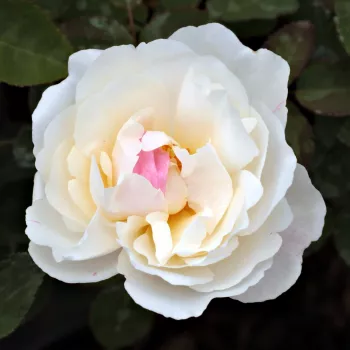
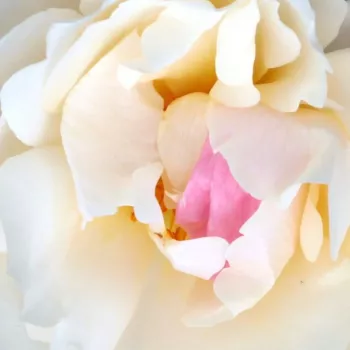
Pure, bright white flowers (ARS W; RHS NN155A outer, NN155C inner) with silky sheen; buds creamy to milky white, sometimes with pinkish or creamy tones as they age; colour retention is generally very good in sun. |
| Fragrance and aroma |
Strong, long-lasting, classic rose scent, noticeable around seating areas and paths; primarily ornamental, not selected for culinary or cosmetic use but valued for reliable garden fragrance in compact spaces. |
| Hip characteristics |
Occasionally bears small, spherical orange-red hips about 6–10 mm across; hips are not typically a major ornamental feature but can add discreet seasonal interest in late season if flowers are left uncut. |
| Resistance and winter hardiness |
Hardy to approximately −26 to −23 °C (RHS H7, Swedish zone 4, USDA 5b). Disease resistance moderate to powdery mildew, black spot and rust; benefits from site selection and basic spring protection in cold snaps. |
| Horticultural recommendations |
Suited to beds, edging, containers and low hedges; plant 100–180 cm apart depending on use. Prefers well-drained soil with regular watering in dry spells, and medium maintenance including occasional pest and disease checks. |
WHITE MARY ROSE™ offers compact, bushy structure, recurrent white flowering and strong fragrance in a resilient own-root form that matures gracefully over years, making it a thoughtful choice for quietly elegant family gardens.