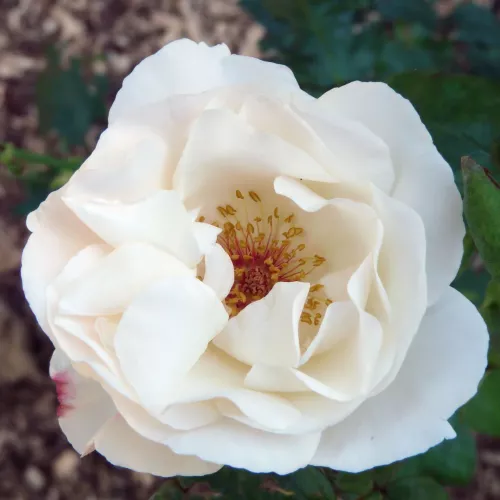
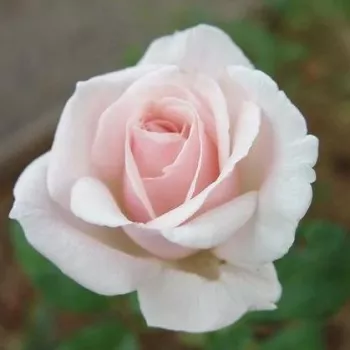
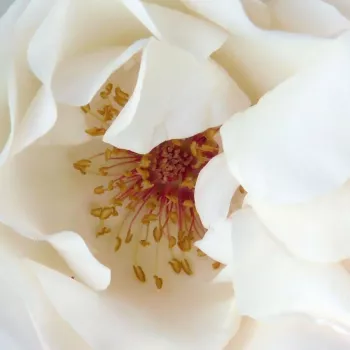
WHITE QUEEN ELIZABETH – white bedding floribunda rose
Imagine returning from a breezy shoreline walk to find White Queen Elizabeth waiting by your veranda, its tall, upright stems screening the view just enough for sheltered tea. This own-root floribunda offers reassuringly steady flowering, sending up elegant, high-centred clusters that look equally at home in a cut-glass vase or beside coastal grasses. In typical British conditions it copes calmly with brisk onshore gusts and benefits from thoughtful planting that helps manage heavier soils and winter wet. Over time, its own-root vigour supports a long-lived, easily refreshed framework, so you can enjoy dependable structure, graceful height and quietly luxurious fragrance with only straightforward seasonal care.
Usage options
| Target area |
Reasoning |
| Coastal veranda wind-filter hedge |
The naturally upright, tall habit forms a light, green “screen” that takes the edge off coastal breezes without feeling heavy or oppressive, ideal behind seating or a balustrade, for those seeking calmer outdoor corners, especially coastal-style lovers. |
| Low-maintenance family flower bed |
Reliable, remontant flowering means flush after flush of white blooms through the season with just basic deadheading and watering in dry spells, giving prolonged impact in a busy family garden for owners with little spare time. |
| Cut-flower row near the patio |
Long stems, high-centred buds and medium-large flowers make handsome, long-lasting indoor arrangements, so a small row can supply the house with elegant, lightly scented bunches for home decorators and stylists. |
| Own-root long-term specimen in a large pot |
Planted alone in a 40–50 litre container, the own-root plant builds a robust, replaceable framework that can regenerate from the base, supporting a long lifespan and stable display for long-term veranda planners. |
| Structured rose-and-grass border |
The strong vertical outline contrasts beautifully with fine-textured grasses or sea kale, giving a clear architectural rhythm that remains attractive even between flushes, ideal for design-conscious garden owners. |
| Year-by-year maturing feature rose |
Roots establish in the first season, shoots and framework strengthen in the second, and by the third year you can expect full ornamental presence and reliable repeat bloom, suiting patient but busy beginners. |
| Gently scented seating area planting |
The medium, tea-like fragrance is noticeable yet never overwhelming, giving a soft, refined scent around benches or bistro sets, perfect for those who enjoy quiet evening moments. |
| Exposed, but not extreme, coastal garden bed |
Once anchored into well-prepared soil, the sturdy framework copes steadily with brisk onshore winds and occasional salt-laden gusts when combined with sensible drainage, reassuring for owners of breezy coastal plots. |
Styling ideas
- Coastal-terrace trio – Combine White Queen Elizabeth with sea kale and blue Festuca in large tubs for a light, maritime look – ideal for coastal-style lovers.
- Evening-tea corner – Plant a short row beside a small table to enjoy the gentle tea fragrance with repeat flowers – perfect for those who unwind outdoors after work.
- White-and-bronze border – Pair the crisp white flowers with Panicum virgatum ‘Sangria’ and dark Berberis for structured contrast – suited to design-conscious homeowners.
- Family-cutting patch – Dedicate a sunny strip by the lawn so children can pick stems for vases – great for family gardeners who like simple, shared activities.
- Veranda-centrepiece – Grow one plant in a 40–50 litre container as a tall focal point near seating – recommended for balcony and veranda owners with limited space.
Technical cultivar profile
| Parameter |
Data |
| Name and registration |
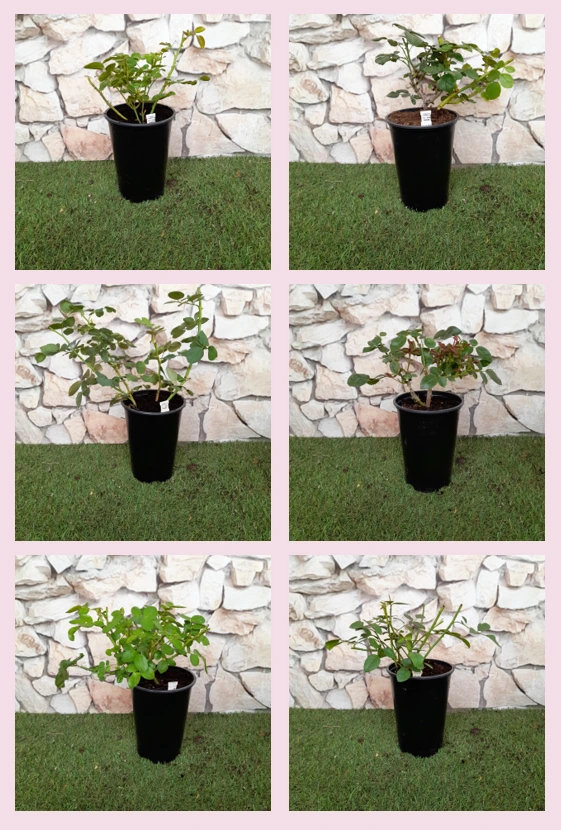
White Queen Elizabeth, floribunda / hybrid tea bed rose; ARS exhibition name ‘White Queen Elizabeth’; vivianaROSE ORIGINAL 2-litre own-root potted rose for garden use. |
| Origin and breeding |
Sport of ‘Queen Elizabeth’, bred by Banner in the United Kingdom and introduced in 1965; breeder and early distribution details are historically sparse but widely accepted. |
| Growth and structural characteristics |
Upright, bushy shrub 130–170 cm tall, 100–140 cm wide, moderately thorny, with dense, glossy, dark green foliage forming a strong vertical accent suited to beds and informal hedging. |
| Flower morphology |
Medium-large, double blooms with 26–39 petals, high-centred, pointed buds in cluster-flowered inflorescences; classic cut-rose form with remontant, abundant second flush in good conditions. |
| Colour data and phenology |
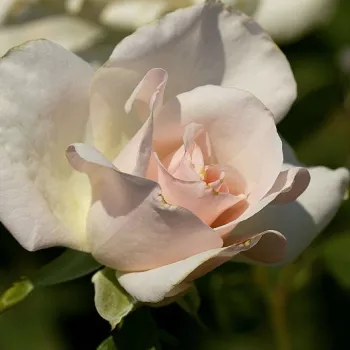
Snow-white flowers (ARS W, RHS 155C–155D) with pearly inner sheen; buds may show a light pink blush, ageing to creamy white yet reading overall as white throughout the flowering period. |
| Fragrance and aroma |
Medium-strength, soft tea fragrance noticeable around the plant, especially in still, mild weather; pleasant without being overpowering, suitable near seating or paths where people pass regularly. |
| Hip characteristics |
Rose hip set is usually sparse; where present, hips are small, egg-shaped, 10–14 mm in diameter, maturing to orange-red, with limited ornamental effect in most planting schemes. |
| Resistance and winter hardiness |
Hardy to approximately –26 to –23 °C (RHS H7, Swedish zone 4, USDA 5b); disease resistance is moderate, with occasional powdery mildew, black spot and rust management needed in damp seasons. |
| Horticultural recommendations |
Best in sunny sites with well-drained soil; plant at 110–120 cm for hedging and massed beds, or 180 cm as a specimen; moderate maintenance, including deadheading and watering during prolonged drought. |
WHITE QUEEN ELIZABETH offers tall structure, reliable repeat flowering and gentle fragrance in an own-root form that matures into a long-lived, regenerating feature; consider it if you favour quiet elegance with straightforward care.