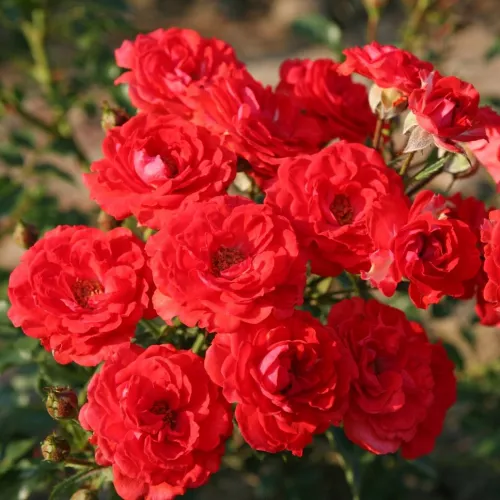
Zwergenfee 09® – raspberry-red dwarf mini rose for coastal patios
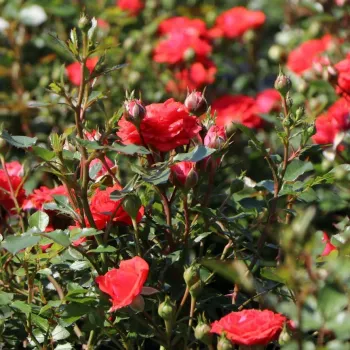
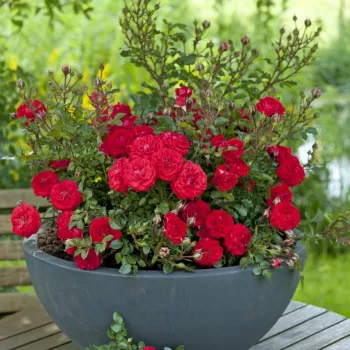
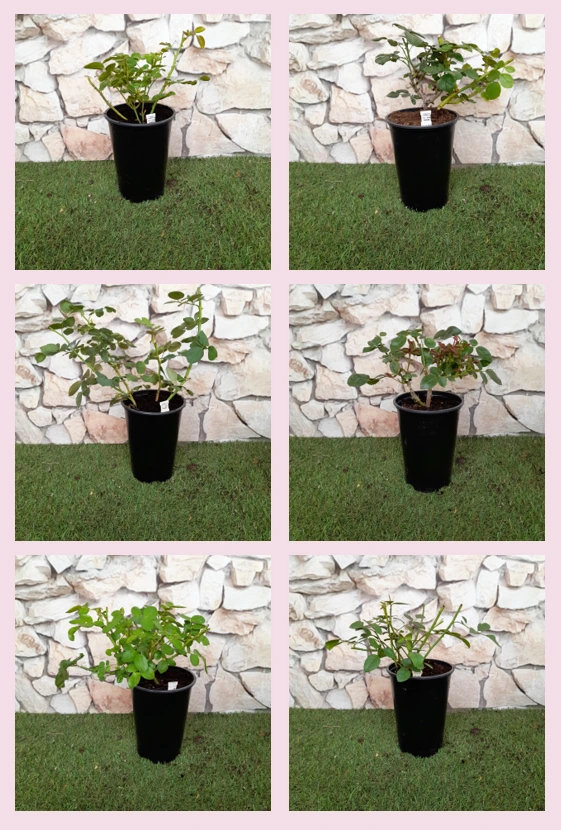
Like tea on a breezy veranda after collecting shells, Zwergenfee 09® brings a sense of easy refreshment to compact coastal gardens and patios, thriving even where strong winds and salt-laden air often sweep through the space. Its naturally compact, bushy habit and dense, glossy foliage make it ideal for small family gardens, where you want neat structure without constant pruning. Clusters of vivid raspberry-red blooms appear repeatedly from early summer well into autumn, keeping colour going when other plants tire. As an own-root rose it offers reassuring longevity, quietly building a deeper root system for long-term stability and reliable flowering. In year one it concentrates on roots, in year two it gains extra shoots, and by year three it reaches its full ornamental value with cushions of bright, pollinator-friendly flowers. ADR-certified disease resistance and award-winning performance complete a rose that feels as relaxed and low-effort as a sunny afternoon by the sea.
Usage options
| Target area |
Reasoning |
| Coastal veranda containers (40–60 litre tubs) |
The dwarf, bushy structure stays low and steady in exposed coastal positions, making it easy to anchor in a single generous container. A 40–60 litre pot supports root depth and moisture balance for relaxed care, suiting busy beginners |
| Small front gardens and narrow borders |
Its compact 35–45 cm height and 30–40 cm spread allow neat edging along drives or paths without overwhelming tight spaces, giving structured colour where every square metre matters, ideal for urban homeowners |
| Low-maintenance family beds and mixed plantings |
ADR-backed health and low maintenance needs mean little more than watering in dry spells and light deadheading, so borders stay smart and colourful through the school and work week for time-poor gardeners |
| Season-long colour focus in patio pots |
Remontant flowering with plentiful second flushes provides long-running raspberry-red colour on a modest footprint, creating a reliable focal point beside seating or a back door that rewards regular use for patio enthusiasts |
| Pollinator-friendly corners by seating areas |
Semi-double, cupped blooms with visible stamens attract bees and other beneficial insects, bringing gentle movement and life close to where you sit with a book or afternoon tea, appreciated by wildlife lovers |
| Exposed urban sites and street-side plantings |
Good tolerance of urban conditions, including pollution and reflected heat, keeps foliage glossy and flowers presentable beside pavements, front fences or communal drives, making upkeep manageable for city residents |
| Structured mini hedges and edging rows |
The uniform, upright habit and consistent growth make tidy low hedges at 25–30 cm spacing; once established, the own-root framework regrows reliably after any winter damage, reassuring for long-term planners |
| Clay-prone coastal gardens with improved drainage |
In beds where drainage has been lightened with grit or organic matter, this compact rose roots steadily and copes well with blustery, salt-sprayed weather, easing worries about exposure for coastal-style gardeners |
Styling ideas
- Shell-Edge Patio Pot – Plant Zwergenfee 09® in a 50 litre clay tub, underplant with sea thrift and scatter decorative shells on the compost surface – for coastal veranda owners
- Raspberry Ribbon Border – Line a narrow front path with a repeating row, threading between clumps of Festuca and low lavender for soft movement – for small-garden stylists
- Mini Meadow Mix – Combine in a sunny bed with Stipa tenuissima 'Pony Tails' and white Liatris for a light, airy foil to the red blooms – for naturalistic-planting fans
- Fairy-Tale Children’s Corner – Use near a play lawn with pastel campanulas and sturdy sea kale, creating a low, thorn-aware but cheerful fairy-height rose zone – for young families
- Urban Window Terrace – Group two or three large troughs with Zwergenfee 09® as the anchor, interplanted with herbs like thyme and compact lavender – for balcony and roof-garden users
Technical cultivar profile
| Attribute |
Data |
| Name and registration |
Miniature dwarf shrub rose, registered as KORzweenu; marketed as Zwergenfee 09® within the Lilliputs® collection, also listed under the combined name Zwergenfee 09® Lilliputs® KORzweenu. |
| Origin and breeding |
Bred by W. Kordes & Sons in Germany and introduced in 2009 by W. Kordes’ Söhne; parentage is not published, but selection focused on health, compact habit and patio suitability. |
| Awards and recognition |
ADR-certified rose with strong trial performance; Bronze Medal Japan Rose Concours Tokyo 2009; Best Patio Rose Belfast 2012; Gold Medal Glasgow 2013; Silver Medal Australian National Rose Trials 2013. |
| Growth and structural characteristics |
Compact, upright, bushy shrub reaching 35–45 cm in height and 30–40 cm in spread; dense, dark green, glossy foliage, moderately thorny stems and a naturally rounded outline suited to edging and containers. |
| Flower morphology |
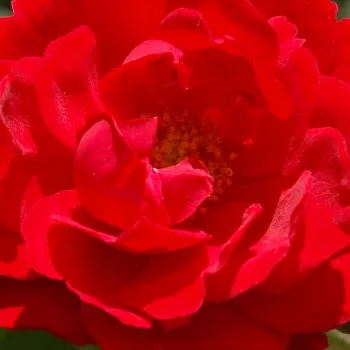
Semi-double, cupped blooms with 13–25 petals, produced in clusters on short stems; small S-sized flowers around 0.5–1.5 inches across, repeating well with a plentiful second flowering wave in suitable conditions. |
| Colour data and phenology |
Bright raspberry-red flowers with a slight orange-red veil; RHS Red 45B outer and 45C inner; colour softens to rose-red with lighter petal edges as blooms age, maintaining good overall colour retention through the season. |
| Fragrance and aroma |
No noticeable fragrance, focusing instead on colour and form; the semi-double structure with accessible stamens offers moderate pollinator value, attracting bees despite the absence of a discernible scent. |
| Hip characteristics |
Forms small spherical rose hips in moderate quantities; hips measure around 7–9 mm in diameter, coloured orange-red, adding a discreet autumn and early winter accent when some spent blooms are left untrimmed. |
| Resistance and winter hardiness |
Rated H7 with USDA zone 5b and Swedish Zone 4 suitability; very hardy to around −26 to −23 °C; generally resistant to powdery mildew and rust, with moderate black spot resistance requiring only basic hygiene. |
| Horticultural recommendations |
Best in sunny positions in well-drained soil; ideal for containers, borders, beds and urban plantings; low maintenance with simple watering and occasional deadheading; spacing 25–50 cm depending on hedge, mass or solitary use. |
Zwergenfee 09® offers compact structure, long-season raspberry-red colour and dependable health in an own-root form that settles for years of easy enjoyment, making it a thoughtful choice for relaxed coastal and urban gardens.